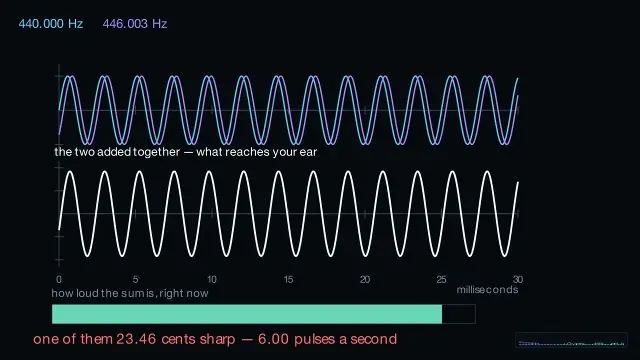
 Why Pianos Are Deliberately Out of Tune Because of the Comma
#Pythagorean Comma
11 ideas
Why Pianos Are Deliberately Out of Tune Because of the Comma
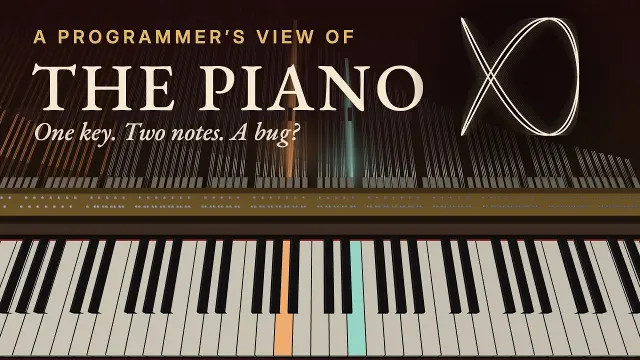 Debugging the Pythagorean Comma on Piano Keyboards
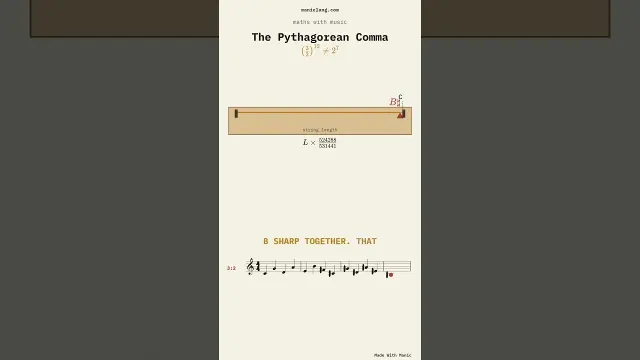 The Pythagorean Comma Explained Through Twelve Perfect Fifths
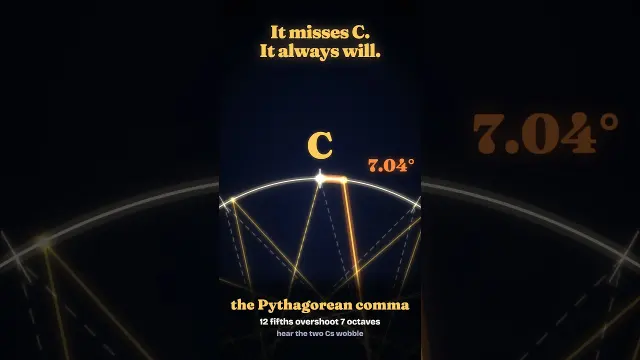 Visualizing the Pythagorean Comma With a Laser and Mirror
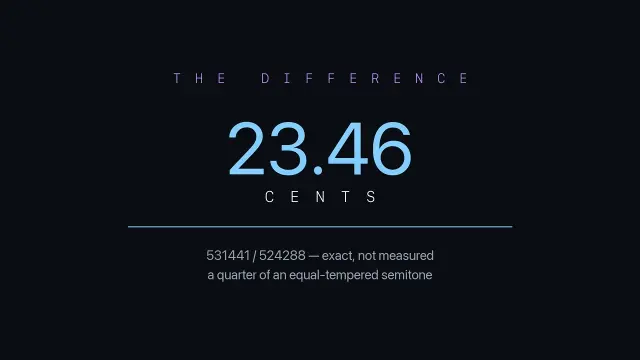 The Pythagorean Comma Heard Through Exact Audio Measurements
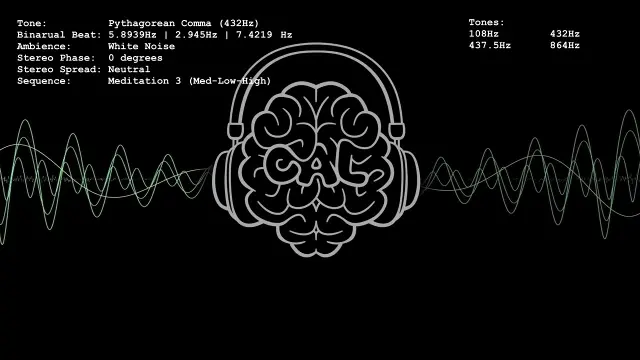 Pythagorean Comma Meditation Tone Based on 432 Hz
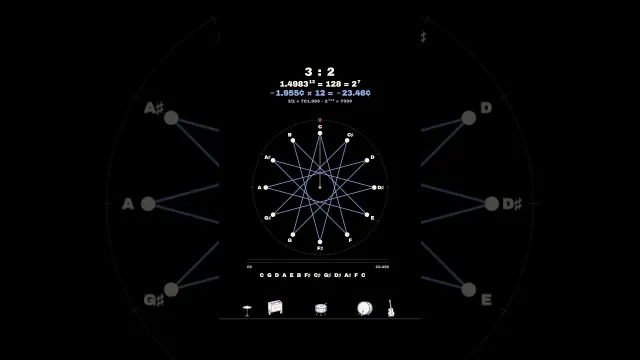 A Quick Look at the Pythagorean Comma and Equal Temperament
 The Pythagorean Comma and How Different Cultures Approached Tuning
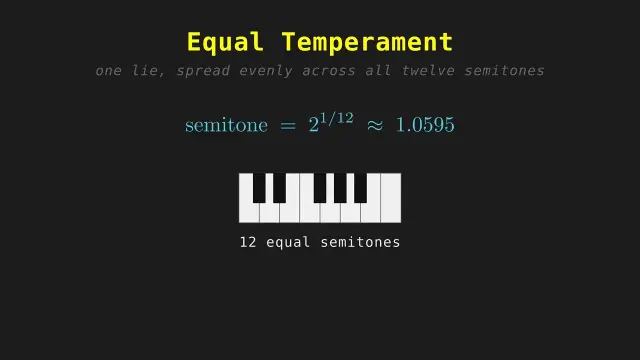 Understanding the Pythagorean Comma and Why Pianos Are Out of Tune
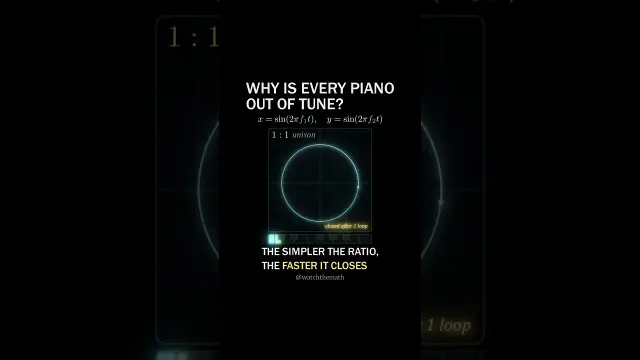 Why Every Piano Is Out of Tune Using Oscilloscope Visuals
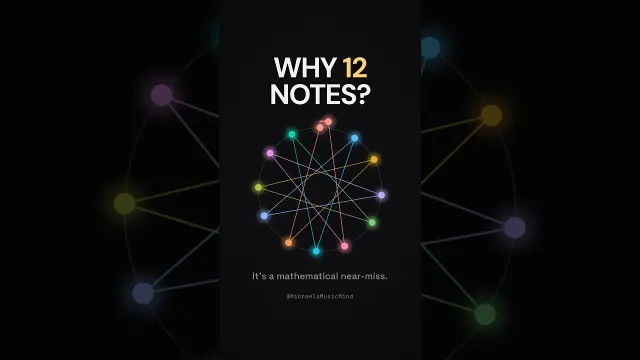 Mathematical Reason Why Music Has Twelve Notes
Get new #Pythagorean Comma ideas by email
Every Thursday: the week's best ideas, with the newest from #Pythagorean Comma.
Related tags
Pythagorean Comma Explained
What the Pythagorean comma is
The Pythagorean comma is a very small musical interval, or tuning difference, that appears when you compare two ways of building notes from pure fifths. If you keep stacking perfect fifths and then bring the notes back into the same octave range, you do not end up exactly where you started. The tiny gap between those two notes is the Pythagorean comma.
It matters because it shows that musical tuning is not perfectly circular. In other words, the same note name reached by different paths may not be exactly the same pitch.
Where it comes from
Read more
The name comes from Pythagorean tuning, an old tuning system based on simple whole-number ratios, especially the perfect fifth. A perfect fifth sounds very stable and natural, so early theorists used it as a building block for scales.
If you stack twelve pure fifths and compare the result with seven octaves, the pitches almost match, but not quite. That small mismatch is the Pythagorean comma. It is one reason why tuning systems had to make compromises as music became more complex.
Why it matters in music
The Pythagorean comma helps explain why fixed-pitch instruments cannot keep every interval perfectly pure in every key. If you tune one set of notes very carefully by pure fifths, other intervals will drift out of alignment. This is especially important for keyboards, fretted instruments, and ensemble playing, where musicians need notes to work together across many keys.
Because of this, different tuning systems have been developed to spread out or manage the comma in different ways. Some systems keep certain intervals very pure and accept that others will be less exact. Others divide the octave into equal parts so that no single key is favored too strongly.
Main tuning ideas connected to it
- Pure fifth tuning: prioritizes the clean sound of fifths, but creates mismatches elsewhere.
- Meantone and other temperaments: adjust intervals to make some harmonies more usable.
- Equal temperament: divides the octave into equal steps so the comma is distributed rather than left as a single problem note.
Each approach is a different answer to the same question: how should you balance purity, flexibility, and ease of playing?
What beginners should know
You do not need to calculate the Pythagorean comma to understand it musically. It is enough to know that small tuning differences can change how chords sound and why an instrument may feel different in different keys.
If you are learning theory, listen for the contrast between very pure intervals and slightly adjusted ones. That will help you hear why tuning is not just a technical detail, but part of musical character.
Practical tips
- If you play a fixed-pitch instrument, tune with the system your instrument is designed for.
- If you sing or play by ear, listen for how notes blend in a chord rather than expecting every interval to be mathematically perfect.
- When studying tuning, compare fifths, octaves, and major thirds to hear how tiny differences affect the whole scale.
The Pythagorean comma is small, but its effect is wide. It is one of the key reasons music theory includes more than one way to tune the same twelve notes.
Videos come from YouTube and posts from Instagram; titles and summaries are our own. All rights belong to their creators.