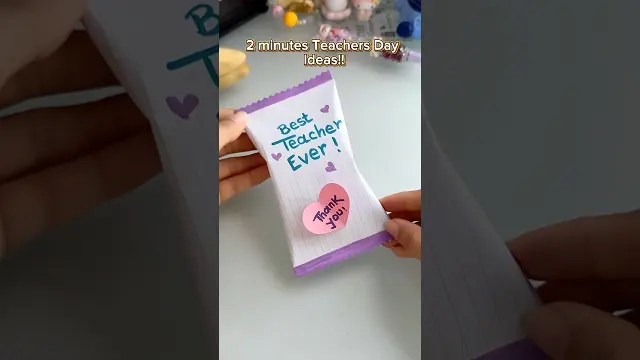
 Two-Minute Teachers Day Craft Ideas to Make at Home
#Quick Crafts
2 ideas
Two-Minute Teachers Day Craft Ideas to Make at Home
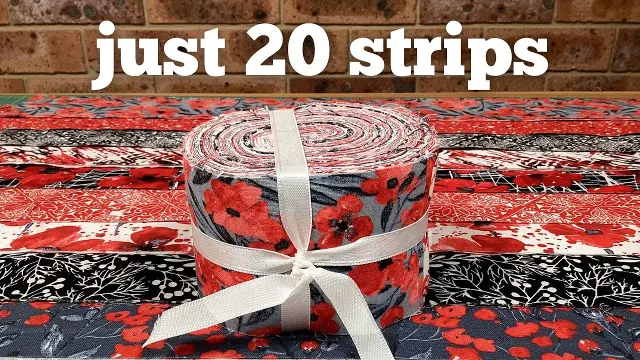 Fast and Easy Jelly Roll Baby Quilt Made in One Day
Get new #Quick Crafts ideas by email
Every Thursday: the week's best ideas, with the newest from #Quick Crafts.
Related tags
Quick Crafts for Easy Creative Projects
Quick crafts are projects designed to give you the pleasure of making something by hand without needing a long time, a large budget, or advanced skills. They are often chosen by beginners, busy makers, or anyone who wants a satisfying creative break. The appeal is simple: you can start and finish a project in one sitting, or at least make clear progress without feeling overwhelmed.
Many quick crafts come from familiar handmaking traditions that have always valued practicality and speed. Sewing, paper crafting, knitting, embroidery, baking decorations, and home decorating all include small projects that are meant to be simple and useful. Some are made from leftovers or basic materials you already have at home, which makes them especially approachable. Others are meant as gifts, decorations, seasonal accents, or little items for everyday use.
What makes a craft “quick”
A quick craft usually has a few things in common:
- A short list of materials
- Simple steps
- Minimal cutting, measuring, or setup
- A clear finish in a short amount of time
- Techniques that are easy to repeat
Read more
That does not mean the result has to look plain. A quick project can still be charming, personal, and well made. The secret is often in choosing a small goal and working with a simple method rather than trying to do everything at once.
Common types of quick crafts
You’ll find quick crafts in many forms:
- Paper crafts such as cards, tags, garlands, and cut-and-fold decorations
- Sewing projects like pouches, hair accessories, napkins, and small quilted items
- No-sew projects using glue, knots, folding, or wrapping
- Simple embroidery or embellishment on ready-made pieces
- Home crafts such as candle jars, vases, trays, and table decorations
- Kids’ crafts that rely on coloring, pasting, or assembling
- Gift crafts, especially small wrapped items or handmade packaging
These projects are often ideal when you want to make something useful without starting a large, complicated task.
What beginners should know
If you’re new to crafting, quick projects are a very good place to begin. They help you learn basic skills without too much pressure. Start with a project that uses materials you already understand, and read the whole method before you begin. It also helps to gather everything first so you don’t have to stop midway.
Choose simple tools and avoid projects that require too many special steps. If a craft uses fabric, paper, glue, or thread, test a small piece first when possible. That can save time and frustration. And if your first attempt is not perfect, that is completely normal. Quick crafts are often about practice, enjoyment, and useful results rather than flawlessness.
Practical tips for smoother crafting
- Keep a small box of basic supplies together
- Pick projects with clear instructions and few steps
- Finish one craft before starting another
- Use leftovers and scraps to reduce waste
- Keep your workspace tidy so setup and cleanup stay easy
- Make a few versions of a simple project once you find one you enjoy
Quick crafts are a lovely way to make space for creativity in everyday life. They can be practical, decorative, thoughtful, or simply fun. The best ones fit your time, your materials, and your mood, while still giving you the satisfaction of making something with your own hands.
#Quick Crafts: frequently asked questions
How do I start with quick crafts if I have never made anything by hand before?
Begin with a small project that uses materials you already recognise, such as paper, thread, or fabric, so the focus stays on the method rather than on learning a new supply. Read the whole set of instructions before you begin and lay out everything you need, which keeps you from stopping halfway through. A simple first attempt that comes out slightly uneven is a normal part of learning, not a sign you chose badly.
What basic supplies should I keep on hand for quick crafts?
A small box of everyday items covers most short projects: paper and card, a pair of scissors, glue, a few needles with thread, and some fabric scraps. Keeping these together in a known place removes the setup time that usually stops people from starting. Add specialised tools only when a specific project genuinely calls for them, so your kit stays manageable.
How do I choose a quick craft that suits me?
Match the project to the time and mood you actually have rather than to an ambitious result, and pick something whose steps you can picture yourself finishing. If you enjoy fabric work, a small sewn or no-sew item will feel natural; if you prefer paper, cards, tags, or folded decorations are a gentler entry point. Repeating a project you liked is often more satisfying than jumping to something unfamiliar.
What mistakes do beginners make with quick crafts?
The most common slip is choosing something with too many steps or too many unfamiliar materials, which turns a short break into a long task. Another is starting a second project before the first is finished, so nothing feels complete. Testing glue, thread, or fabric on a spare piece first, and keeping your workspace tidy, prevents most of the frustration that follows.
Can quick crafts make good gifts or decorations for an occasion?
Yes, and this is where small projects work especially well, since handmade packaging, tags, garlands, and little sewn or paper items are personal without demanding a large outlay. Seasonal accents and table decorations are easy to adapt once you have a method you trust. Making several versions of a project you enjoy lets you build a small set for gifting.
Do handmade quick crafts need any special care?
Most need only the sensible handling their material asks for: keep paper items dry and flat, and wash fabric pieces gently according to what the fabric itself tolerates. Store finished items away from damp and direct sun so colours and shapes hold up. When you use leftovers and scraps, check that the materials are suited to the purpose before turning them into something meant for everyday use.
Videos come from YouTube and posts from Instagram; titles and summaries are our own. All rights belong to their creators.