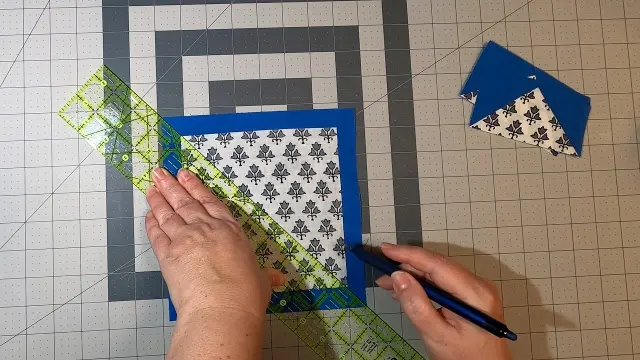
 Fast Four at a Time Flying Geese Method
#Quilt Block
9 ideas
Fast Four at a Time Flying Geese Method
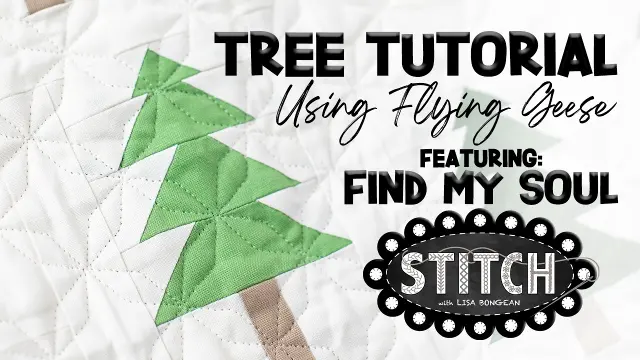 Wonky Tree Quilt Blocks Using Flying Geese
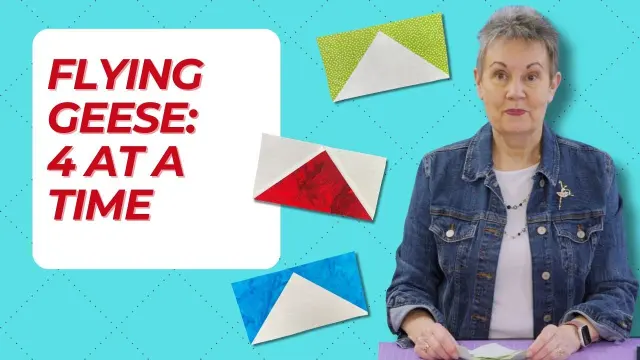 How to Make Four Flying Geese at Once
 Fast and Accurate Flying Geese Quilting Method
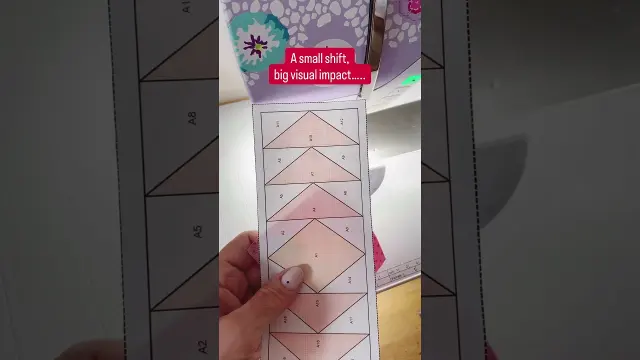 Diamond Layout Flying Geese Quilt Block Design
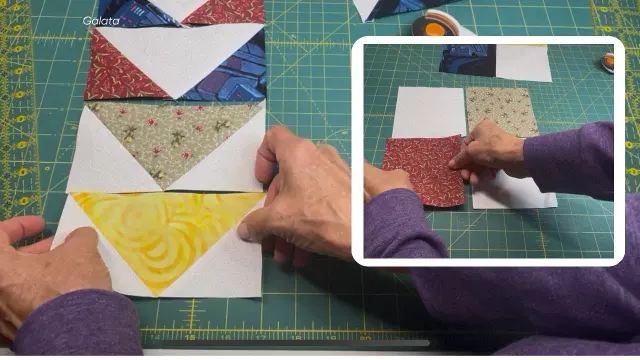 Fast Method for Making Eight Flying Geese
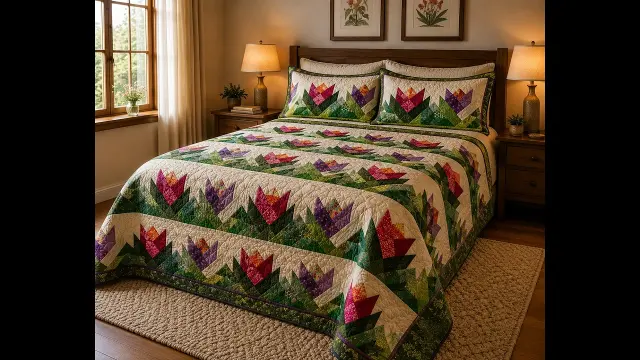 Simple Tulip Quilt Block Pattern and Layout Idea
 Three Different Ways to Sew Flying Geese Blocks
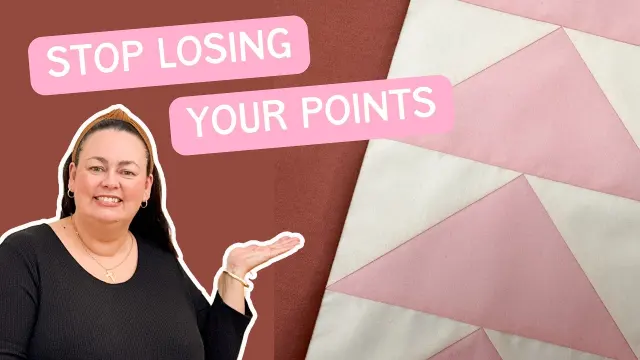 How to Sew Accurate Flying Geese Quilt Blocks
Get new #Quilt Block ideas by email
Every Thursday: the week's best ideas, with the newest from #Quilt Block.
Related tags
Quilt Blocks: Patterns, Piecing and Ideas
What a quilt block is
A quilt block is a single unit made from fabric pieces sewn together to form part of a larger quilt. Quilt blocks are the building blocks of patchwork, and they can be simple or highly detailed. Once several blocks are joined together, they create the quilt top. This makes quilting easier to plan, because you can work on one section at a time and repeat the same design across the whole piece.
Quilt blocks have a long history in traditional patchwork, where makers used leftover fabric and careful cutting to create useful and beautiful bed coverings. Over time, quilt blocks became a form of design in their own right, with many familiar shapes passed down through generations.
Common block styles
Read more
There are many kinds of quilt blocks, but they usually fall into a few broad groups:
- Simple square or strip-based blocks, which are good for beginners
- Nine-patch and four-patch blocks, made from smaller squares
- Triangle-based blocks, which create movement and direction
- Star blocks, which often combine squares, triangles and diamonds
- Appliqué blocks, where fabric shapes are sewn onto a background
- Foundation-pieced blocks, which help with sharper points and complex shapes
One of the most recognizable pieced elements is the flying geese unit, a triangle-based shape often used in borders, stars and geometric layouts. It is popular because it can be repeated in many directions to create rhythm and structure in a quilt design.
What beginners should know
If you are new to quilt blocks, accuracy matters, but perfection is not required to begin. Start with a simple block that uses a small number of pieces and clear seam allowances. As you gain confidence, you can move on to more complex designs with points and angles.
A few habits make a big difference:
- Cut fabric carefully and square up pieces before sewing
- Use an even seam allowance so blocks finish at the right size
- Press seams as you go, rather than ironing back and forth
- Check the size of each block before assembling the quilt top
- Keep your fabric grain straight when possible, especially for long borders and sashing
If a block is slightly uneven, it is often better to correct it early than to hope it will disappear later in the quilt.
Ways quilt blocks are used
Quilt blocks can stand alone as cushion covers, wall hangings or small decorative projects, or they can be repeated to make larger bed quilts and throws. Some quilts use one block design over and over, while others combine different blocks for variety. You can also change the layout by rotating blocks, adding sashing, or setting them on point to create a different look.
Designing with blocks
A quilt block can feel traditional, modern, playful or elegant depending on your fabric choices and arrangement. Solid fabrics give crisp shapes, while prints add texture and softness. High contrast makes the block pattern stand out more clearly, while low contrast gives a gentler, more blended effect.
The best quilt blocks are usually the ones that suit your skill level and your purpose. Choose a design that you enjoy sewing, keep your cutting and piecing consistent, and let the block shape guide the final quilt.
#Quilt Block: frequently asked questions
How do I start making a quilt block if I’m a beginner?
Begin with a simple block that uses just a few pieces and straight seams. Focus on careful cutting, steady seam allowances, and pressing as you sew so the block stays easier to assemble.
What supplies do I need to make a quilt block?
You’ll need fabric, a sewing machine or hand-sewing tools, thread, a cutting tool, a ruler, and an iron for pressing. A good cutting surface and a way to keep pieces square will also make the process much smoother.
Which quilt block style is easiest for a first project?
Square-based and strip-based blocks are usually the most beginner-friendly because they rely on simple shapes and clear construction. If you want to practice a little more precision, nine-patch or four-patch blocks are also a good next step.
How do I choose the right quilt block design for my project?
Pick a block that matches both your skill level and the look you want. Simple shapes feel calm and modern, while triangle, star, or flying geese designs create more movement and visual interest.
What are common mistakes to avoid when sewing quilt blocks?
Uneven cutting, inconsistent seam allowances, and skipping seam pressing can all make blocks end up the wrong size. It also helps to check each block before joining them, since small errors are easier to fix early.
How should I care for quilt blocks after they’re finished?
Handle finished blocks gently and press them flat so the shapes stay crisp. If they will be used in a quilt, store them in a clean, dry place and avoid stretching the fabric when folding or moving them.
Videos come from YouTube and posts from Instagram; titles and summaries are our own. All rights belong to their creators.