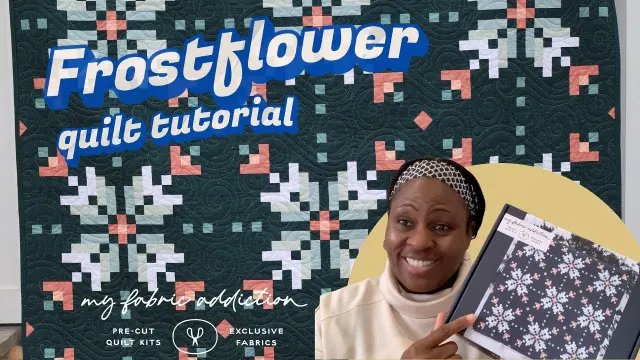
 Step-by-Step Tutorial for the Frostflower Quilt Kit
#Quilt Kits
2 ideas
Step-by-Step Tutorial for the Frostflower Quilt Kit
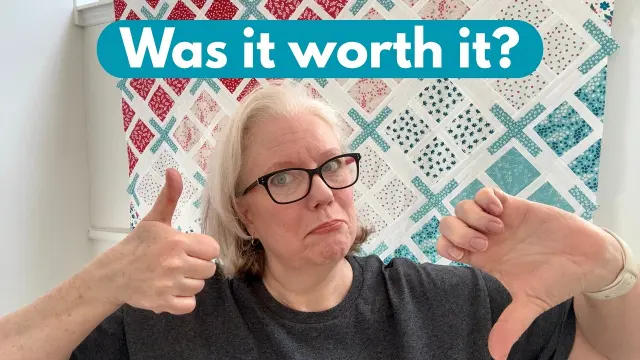 Sewing the Skylight Quilt with a Precut Kit
Get new #Quilt Kits ideas by email
Every Thursday: the week's best ideas, with the newest from #Quilt Kits.
Related tags
Quilt Kits: A Beginner's Guide to Everything-in-One Quilting
A quilt kit takes the guesswork out of starting a quilt. Instead of hunting for a pattern, then sourcing enough fabric in coordinating colours, then hoping it all arrives in the same dye lot, you buy one package that holds the pattern and the fabric cut to fit it. For anyone who has ever stalled at the fabric shop, unsure how much to buy, that alone is a small relief.
Where the idea comes from
Quilting has always been a craft of resourcefulness, and quilters have long gathered their materials in advance, often as bundles of scraps or a set of fabrics chosen together. The commercial kit is simply that habit made convenient: a designer or shop selects a fabric collection, works out the yardage a pattern needs, and offers it as a single purchase. Some kits include binding and backing fabric; others stop at the quilt top. Reading the contents list carefully is worth the minute it takes.
The main kinds of kit
Read more
Kits vary mostly in what has already been done for you.
- Precut kits are built around fabric that arrives already cut into standard shapes, such as strips, squares or triangles. They suit people who want to skip rotary cutting and get to the sewing machine quickly.
- Pattern-and-yardage kits give you full-width fabric and a printed pattern, leaving all the cutting to you. These offer more flexibility if you like to trim and adjust as you go.
- Block-of-the-month style kits arrive in instalments, each with the fabric for one section, which can suit anyone who likes a project spread over time.
- Appliqué or embellishment kits may include templates, fusible web or embroidery threads alongside the fabric.
What beginners should know
Check three things before you commit. First, read what is actually in the box, so you know whether you still need wadding, backing or binding. Second, look at the finished size, because a quilt that looks modest on a pattern cover can be surprisingly large once sewn. Third, make sure the skill level stated matches yours honestly; a kit labelled for confident quilters will assume you can handle angled seams or curved piecing without much explanation.
Practical tips for a smooth finish
Wash nothing until you have read the pattern's guidance, and keep the fabric for one kit together so pieces do not wander into other projects. Cut and label as you go, since precut shapes can look alike once they are out of the bundle. Sew a small test block first to check your seam allowance before you commit to the whole quilt.
If fabric runs short, or a cut piece goes astray, the pattern's fabric requirements tell you what to look for. And remember that a kit is a starting point, not a rule: changing the layout, swapping a border or adding your own quilting is entirely in the spirit of the craft.
#Quilt Kits: frequently asked questions
How do I get started with a quilt kit if I have never quilted before?
Choose a kit whose stated skill level genuinely matches yours, and read the contents list so you know exactly what is still missing before you begin. Sew a small test block first to check your seam allowance, then work through the pattern in the order it gives you. Cutting and labelling pieces as you go keeps similar shapes from getting mixed up.
What actually comes in a quilt kit?
Most kits pair a printed pattern with fabric chosen to suit it, with the fabric either precut to shape or supplied as full-width yardage. Some include backing and binding as well, while others cover only the quilt top, so the contents list is worth reading closely. Whatever is not in the box, such as wadding or backing, you will need to source separately.
Which kind of quilt kit is best for me?
If you would rather skip rotary cutting and get to the machine quickly, a precut kit built around strips, squares or triangles is the easier route. A pattern-and-yardage kit leaves the cutting to you and suits anyone who likes to trim and adjust as they sew, while an instalment-style kit spreads the work over a longer stretch of time. Appliqué and embellishment kits add templates or threads for anyone wanting surface detail.
What are the most common mistakes people make with quilt kits?
The usual ones are assuming wadding, backing or binding are included, and underestimating the finished size, since a quilt can turn out much larger than the pattern cover suggests. Taking on a kit aimed at confident quilters when you are still learning is another frequent stumble, as such patterns tend to assume you can handle angled or curved seams without much explanation. Stitching a test block first catches tension and seam problems before they affect the whole quilt.
How should I look after the fabric in a quilt kit?
Follow the pattern's washing guidance before you put anything near water, and keep the fabric for one kit together so pieces do not drift into other projects. Store cut shapes labelled and in order, because precut pieces can look very alike once they are out of the bundle. If a piece goes astray, the pattern's fabric requirements tell you what to look for as a replacement.
Can a quilt kit work as a gift or a shared project?
Yes, and instalment-style kits are especially suited to that, arriving in sections that let a project unfold over time rather than all at once. A finished quilt also makes a warm keepsake for a wedding, a new baby or a family occasion, particularly when you alter the layout or add your own quilting. Treat the kit as a starting point rather than a rule, and it becomes something distinctly yours.
Videos come from YouTube and posts from Instagram; titles and summaries are our own. All rights belong to their creators.