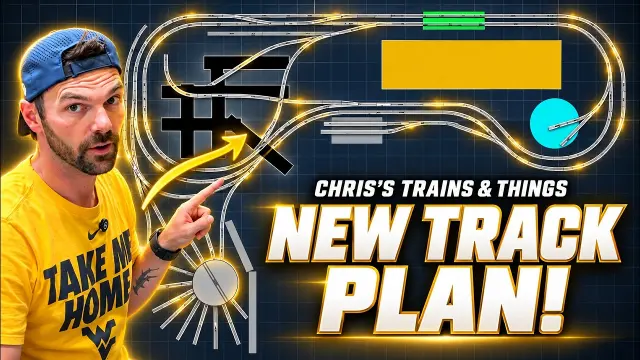
 Designing a New Model Train Layout Track Plan
#Railroad
2 ideas
Designing a New Model Train Layout Track Plan
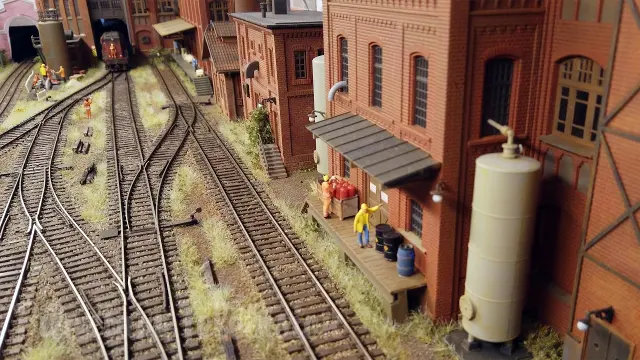 HO Scale Shelf Switching Model Train Layout
Get new #Railroad ideas by email
Every Thursday: the week's best ideas, with the newest from #Railroad.
Related tags
Railroad Layouts and Model Railroading Basics
What a railroad can mean
A railroad is a system for moving people and goods by train along tracks, stations, yards, and signals. In everyday language, it can also mean the world of railroading as a hobby, especially model railroads. That hobby brings the look and rhythm of real trains into a smaller space, with scaled-down track, locomotives, cars, and scenery.
Railroads have always been connected to travel, industry, and landscape. They can represent busy city terminals, quiet countryside branch lines, mountain crossings, or freight yards filled with activity. In model form, the same ideas still matter: how trains move, where they stop, and what story the layout tells.
Common styles and kinds
Read more
Model railroads come in many styles. Some people prefer a realistic scene based on a real place, while others enjoy a freelanced layout designed from imagination. A railroad can be built for continuous running, where trains circle the layout, or for switching, where the fun comes from placing cars and assembling trains. Many layouts combine both.
You may also hear about different scales and gauges. Scale is the size of the model compared with the real thing, while gauge is the distance between the rails. Choosing a scale is often about balancing space, detail, and what feels comfortable to build and handle.
Planning a layout
Good planning makes a railroad more enjoyable. Before laying track, think about the space available, the kind of operation you want, and the amount of scenery you can comfortably fit. A simple plan is often better than a crowded one. Curves, sidings, yards, and passing places should all feel believable and easy to reach.
If you are new to model railroading, start small. A shelf layout, a simple oval with a siding, or a compact switching district can teach you a great deal without overwhelming you. It is usually easier to expand later than to begin with too much.
Scenery and atmosphere
Scenery gives a railroad its character. Buildings, roads, trees, hills, water, fencing, and people help a scene feel complete. Even a small amount of scenery can make the track look like part of a real place. Try to match the scenery to the type of railroad you want: urban, rural, industrial, or mixed.
Color and texture matter as much as size. Real railroads are shaped by weather, dirt, gravel, vegetation, and use. A layout feels more natural when surfaces are varied and nothing looks too uniform.
Practical tips for beginners
- Keep access in mind so you can reach every part of the layout.
- Test trackwork carefully before fixing scenery in place.
- Leave room for your hands, rolling stock, and simple maintenance.
- Build in stages so each section is usable before moving on.
- Focus first on smooth running and reliable track, then add detail.
A railroad layout becomes most satisfying when it is both attractive and workable. Whether you enjoy watching trains run or setting up realistic operations, the best results usually come from patience, clear planning, and gradual building.
#Railroad: frequently asked questions
How do I get started with a model railroad?
Begin with a modest project rather than a grand plan: a shelf layout, a simple loop with a siding, or a compact switching area teaches you the basics without overwhelming you. Decide first whether you want to watch trains run continuously or to spend your time assembling and placing cars, since that choice shapes everything else. Add scenery and detail only once the trains run smoothly.
What do I need before I lay any track?
You need a clear idea of the space available, the kind of operation you want, and how much scenery you can comfortably fit and reach. Check that every part of the layout is accessible by hand for cleaning, maintenance, and rerailing cars. It also helps to have a workable track plan drawn out before you commit, even a rough one.
How do I choose between the different scales and gauges?
Scale is the size of the model compared with the real thing, while gauge is the distance between the rails, and the two are related but not the same. In practice the choice comes down to balancing the space you have, the level of detail you enjoy, and what feels comfortable to handle and build. Smaller models fit more layout into a room but demand more patience; larger ones are easier to work with but need more room.
How do I keep a railroad running reliably over time?
Smooth running starts with careful trackwork, so test every curve, joint, and switch before fixing scenery over it. Keep the rails clean and leave enough clearance for your hands and for rolling stock, which makes routine upkeep far easier. Building in stages means each section is proven before you move on to the next.
What are the common mistakes beginners make?
The most frequent one is starting too big, which leads to a crowded plan and track that is hard to reach or maintain. Another is adding scenery before the track has been tested, so problems become buried under hills and buildings. Matching every element of the scenery to one consistent setting, rather than mixing styles, also keeps a layout believable.
What kind of layout works well in a small space?
A shelf layout along a wall or a compact switching district can be far more engaging than a large loop squeezed into a spare room. Small layouts suit operation-based play, where the interest comes from placing cars and building up trains rather than from long runs. They are also easy to expand later if you want more.
Videos come from YouTube and posts from Instagram; titles and summaries are our own. All rights belong to their creators.