 Working on Model Train Layout Infrastructure
#Model Train
16 ideas
Working on Model Train Layout Infrastructure
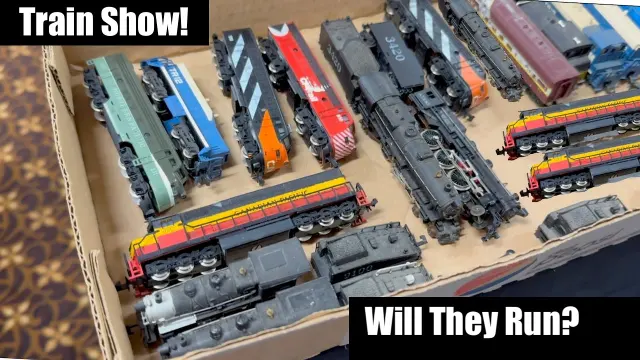 Hunting For Vintage Locomotives At A Model Train Flea Market
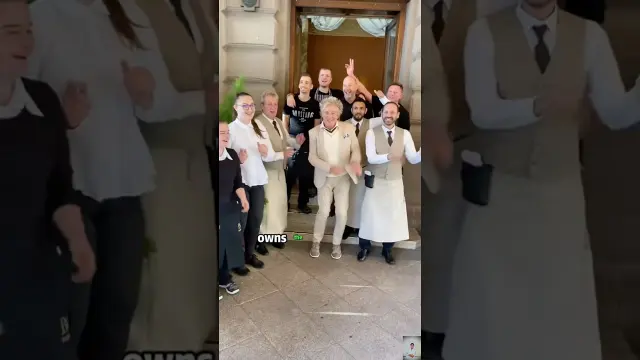 Inside Rod Stewart's Massive Private Model Train Collection
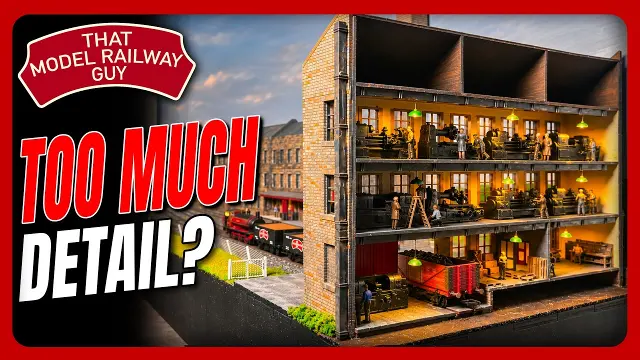 Preparing A Model Railway For An Upcoming Public Exhibition
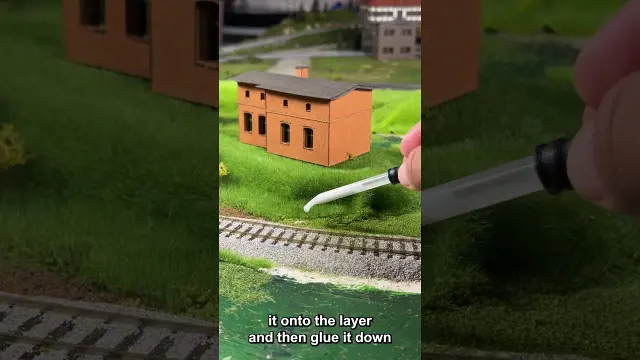 Tutorial On How To Add Realistic Grass To A Model Railroad
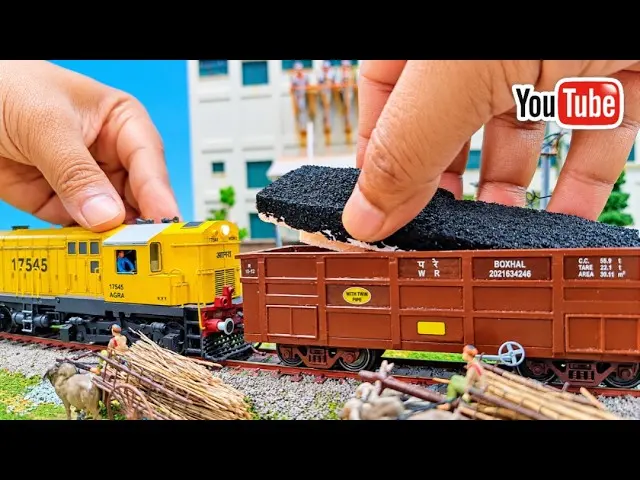 Indian Railways HO Scale Miniature Model Train Shunting
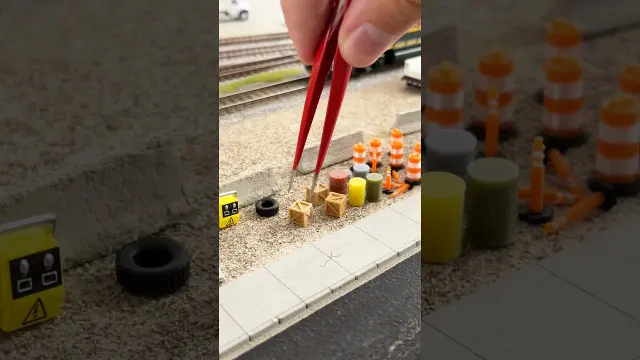 Adding Miniature Details to a Model Railway
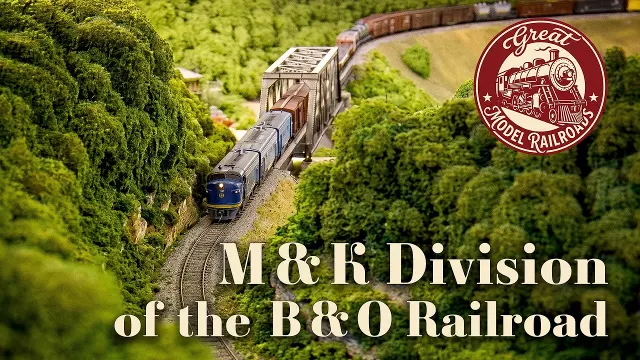 Exploring Don Cassler's B&O M&K Division Model Railroad
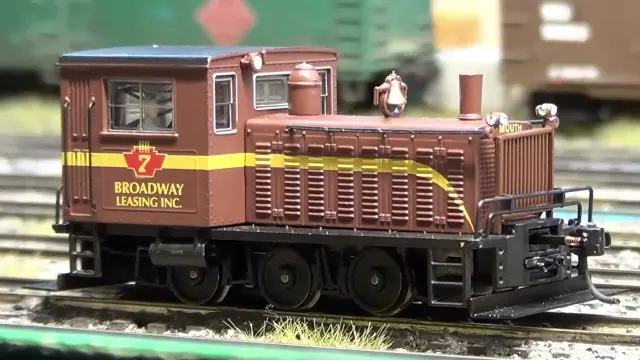 Reviewing The Broadway Limited Imports Plymouth Switcher
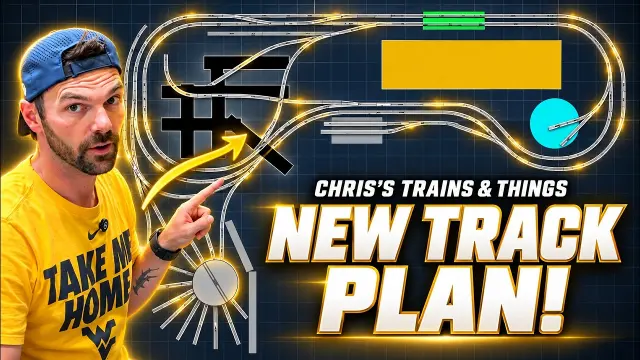 Designing a New Model Train Layout Track Plan
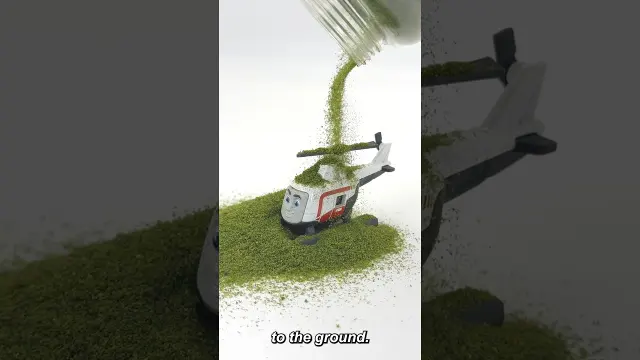 Updating A Custom Folding Model Train Layout With Scenic Details
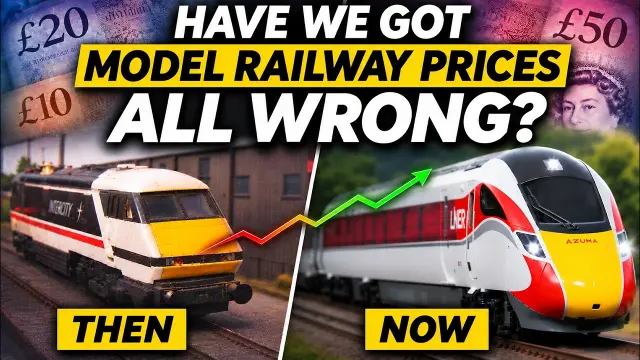 Comparing Past And Present Prices In The Model Railway Hobby
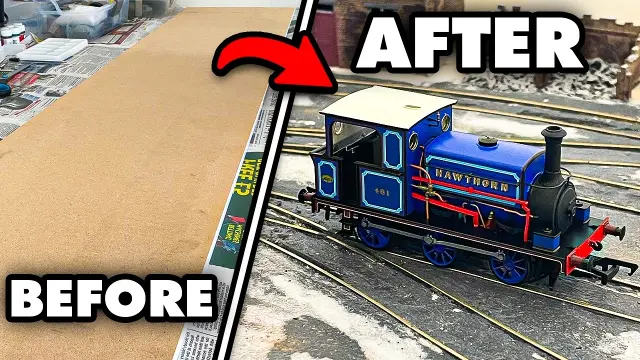 Building A First OO Scale Model Railway From Scratch
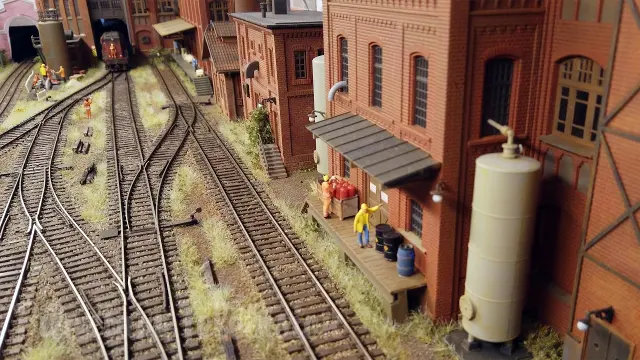 HO Scale Shelf Switching Model Train Layout
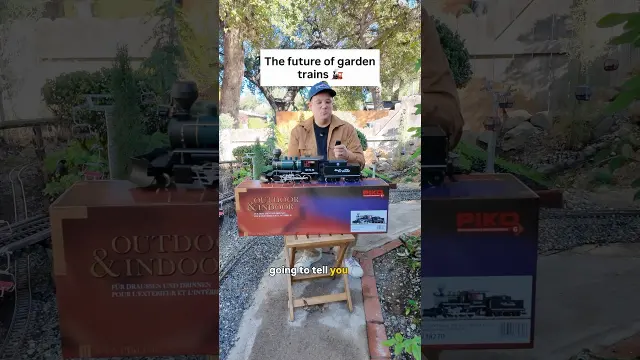 Unboxing And Reviewing The New Piko Tri-Mode G Scale Locomotive
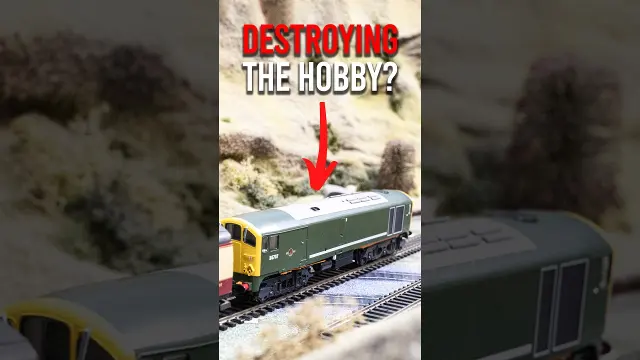 Discussing Common Pitfalls In Modern Model Train Products
Get new #Model Train ideas by email
Every Thursday: the week's best ideas, with the newest from #Model Train.
Related tags
Model Trains: A Guide to the Hobby
Model trains are scaled-down versions of real trains, built and operated as a hobby, a craft, or a collectible. They can be simple display pieces or part of a fully worked miniature railway with track, scenery, buildings, lighting, and moving trains. For many people, the appeal lies in combining engineering, history, design, and creativity in one project.
What model trains are
The hobby grew alongside real railways, when enthusiasts began making miniature locomotives and rolling stock to mirror full-size trains. Over time, model railroading became a world of its own, with different scales, control systems, and styles of layout. Some people focus on realism, while others enjoy the imaginative side of building a miniature world.
Model trains are usually grouped by scale, which is the ratio between the model and the real train. Common scales include larger formats for detail and handling, and smaller ones for fitting more railway into a limited space. The best scale for you often depends on the room you have, the level of detail you want, and how much storage or portability matters.
Read more
Main kinds and styles
There are several ways to approach the hobby:
- Ready-to-run model trains: good for beginners who want to start quickly.
- Kit-built models: allow more hands-on assembly and customization.
- Scratch-built models: made from raw materials for a unique result.
- Display models: focused on appearance rather than operation.
- Operating layouts: designed for running trains through stations, yards, tunnels, and scenery.
Layouts also vary in style. Some aim to represent a real place or railway line, while others are loosely inspired by a type of landscape or era. You might build a compact shelf layout, a simple oval, a point-to-point line, or a larger switching layout with sidings and industries. There is no single correct way to enjoy the hobby.
What beginners should know
If you are just starting, begin small. A simple layout is often more enjoyable than an ambitious project that never gets finished. Choose one scale and stick with it for a while, because mixing scales can be confusing when buying track, buildings, and accessories.
A few practical tips can help:
- Plan the space carefully before buying materials.
- Start with reliable track and a basic train set.
- Learn to lay track neatly, with smooth curves and level joins.
- Test trains as you build, rather than waiting until everything is finished.
- Keep wiring simple at first and label everything clearly.
- Build scenery gradually so the layout does not feel overwhelming.
Scenery and realism
One of the most rewarding parts of model railroading is creating a believable setting. Terrain, roads, trees, water, buildings, figures, and weathering all help bring the scene to life. Even small details, such as signs, fences, cargo, and platform furniture, can make a big difference.
Realism often comes from consistency. Think about the setting you want: rural, urban, industrial, modern, or historical. Try to keep the landscape, buildings, and trains in the same world. A well-chosen few details usually look better than too many unrelated ones.
Enjoying the hobby
Model trains reward patience, planning, and steady progress. You do not need a large room or advanced skills to begin. A modest layout, built carefully, can be just as satisfying as a complex one. The best approach is to start with something manageable, learn as you go, and let the layout grow naturally with your interests.
#Model Train: frequently asked questions
How do I start with model trains if I've never built a layout before?
Start with a small, simple layout rather than an ambitious plan, since a modest project you actually finish is far more satisfying than a grand one that stalls. Pick one scale and stay with it while you learn, because mixing scales makes buying track, buildings, and accessories confusing. A basic ready-to-run set plus reliable track gives you something running quickly, and you can expand from there.
What do I actually need to begin a model railway?
At minimum you need a train, track, a power source, and a flat surface to build on, along with a realistic idea of the space you have available. Plan that space before buying materials, and keep the wiring simple and clearly labelled at the start. Scenery, buildings, and detail can be added gradually rather than bought all at once.
Which scale should I choose for my first model railway?
The right scale depends on how much room you have, how much fine detail you want to see and handle, and whether the layout needs to be stored or moved. Larger formats show detail well and are easier to work with by hand, while smaller ones let you fit more railway into a limited space. Choose based on your room and interests rather than trying to pick the "best" one, since there is no single correct answer.
How should I care for and maintain a model train layout over time?
Keep track clean and lay it neatly with smooth curves and level joins, since poor trackwork causes most running problems. Test trains as you build instead of waiting until everything is finished, so faults are easy to trace. Label wiring clearly and dust the layout regularly, because dust and grime on rails affect running.
What are the most common mistakes beginners make with model trains?
The biggest is starting too large, so the layout never gets finished and enthusiasm fades. Another is mixing scales, which causes constant mismatches when buying track and buildings, and a third is leaving wiring until the end and making it complicated. Testing as you go and building scenery in stages avoids most of these problems.
How do I make a model railway layout look realistic?
Realism comes mainly from consistency: decide whether the setting is rural, urban, industrial, historical, or modern, and keep the landscape, buildings, and trains within that same world. A few well-chosen details such as signs, fences, figures, and cargo usually read better than lots of unrelated ones. Weathering terrain, roads, and structures helps the scene feel lived in.
Videos come from YouTube and posts from Instagram; titles and summaries are our own. All rights belong to their creators.