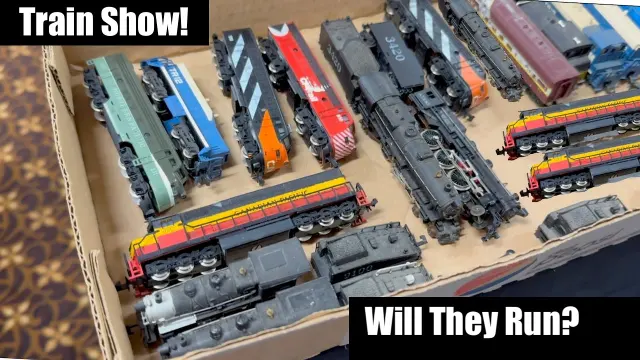
 Hunting For Vintage Locomotives At A Model Train Flea Market
#Vintage Toys
1 ideas
Hunting For Vintage Locomotives At A Model Train Flea Market
Get new #Vintage Toys ideas by email
Every Thursday: the week's best ideas, with the newest from #Vintage Toys.
Related tags
A Beginner's Guide to Vintage Toys and Their Charm
Vintage toys carry something that new ones rarely do: the trace of the hands that played with them. A wind-up tin rabbit, a chipped wooden horse, a doll whose dress has been mended twice — these objects were made to be used, and the fact that they survived is part of their appeal. Collecting them is a way of holding on to a piece of everyday history, and you do not need a large budget or an expert's eye to begin.
What counts as a vintage toy
Opinions differ, but most people use the word for toys made roughly before the 1980s, with "antique" reserved for much older pieces and "retro" for things within living memory. The distinction matters less than the object itself. A toy becomes collectible when it tells you something about how children played in a particular era, how it was manufactured, or what a household could afford.
The main kinds you will come across
Read more
- Tinplate and lithographed toys: printed metal trains, cars and mechanical figures, often powered by clockwork or friction.
- Die-cast vehicles: small metal cars and trucks, collected both for their casting details and their paint.
- Dolls and soft toys: porcelain, composition, celluloid and cloth dolls, along with teddy bears and plush animals.
- Wooden toys: blocks, pull-along animals, simple puzzles and sturdy nursery furniture pieces.
- Model railways and construction sets: track, locomotives, building bricks and metal kits that were handed down between siblings.
- Board games and paper toys: printed games, cards, cut-out figures and cardboard theatres.
What beginners should know
Condition drives everything, but "perfect" is not the only thing worth owning. A well-loved toy with honest wear can be more interesting, and far more affordable, than a pristine example. Look for original paint, complete mechanisms and, where possible, the original box — packaging survives far less often than the toy itself and tells you a great deal about when it was sold.
Be cautious with repairs. Replacing a missing wheel or restringing a joint is reasonable; repainting a lithographed surface or "restoring" a doll's face usually destroys value and character. Keep any parts you remove.
Reproductions and modern reissues are common, so learn the small signals: printing quality, the feel of the metal, screw types, and whether the wear looks natural or applied. Comparing a piece against a known original, or asking a more experienced collector, is always worthwhile.
Practical care
Store toys away from direct sunlight, which fades printed colour quickly, and away from damp, which rusts tin and warps wood. Handle metal toys with dry hands and dust them gently rather than washing them. Textiles are best kept in breathable boxes with a little padding, and old soft toys should never go through a washing machine.
Finally, remember that older toys were not made to modern safety standards. Chipped paint, small detachable parts and sharp edges mean these pieces are for display and careful handling, not for children to play with.
#Vintage Toys: frequently asked questions
How do I start collecting vintage toys without spending much?
Begin with whatever genuinely catches your eye rather than trying to build a complete collection at once, since a single well-loved piece teaches you more than a shelf of impulse buys. Flea markets, house clearances, charity shops and family attics are all good places to look, and a toy with honest wear is usually far cheaper than a pristine one. Handle as many pieces as you can before buying, so your eye learns what old materials and old printing actually feel like.
What should I look at before buying an old toy?
Condition matters more than anything else, but that means original paint, complete mechanisms and wear that looks natural rather than freshly applied. An original box is a real bonus because packaging rarely survives, and it tells you a lot about how and when the toy was sold. If something feels off, compare it against a known original or ask a more experienced collector before you commit.
Which kind of vintage toy is best for a beginner?
It depends on what you enjoy handling, since the categories ask very different things of a collector. Die-cast vehicles and tinplate toys are sturdy and easy to display, dolls and soft toys reward an interest in textiles and mending, and wooden toys and board games are forgiving of clumsy storage. Pick the material you find most appealing rather than the one that seems most serious.
How should I clean and store vintage toys?
Keep everything out of direct sunlight and away from damp, because light fades printed colour quickly and moisture rusts tin and warps wood. Dust metal toys gently with dry hands instead of washing them, and store textiles in breathable boxes with a little padding rather than sealed plastic. Old soft toys should never go into a washing machine.
Should I repair or restore a damaged toy?
Simple structural fixes, like replacing a missing wheel or restringing a joint, are usually reasonable and help the piece survive. Repainting a printed metal surface or redoing a doll's face is different, since it tends to wipe out both value and character. Whatever you take off, keep it with the toy.
Can children play with vintage toys?
Older toys were not built to modern safety standards, so chipped paint, small detachable parts and sharp edges are all common. Treat them as display pieces to be handled carefully rather than playthings. If a child wants to play, it is safer to let them enjoy a modern toy instead.
Videos come from YouTube and posts from Instagram; titles and summaries are our own. All rights belong to their creators.