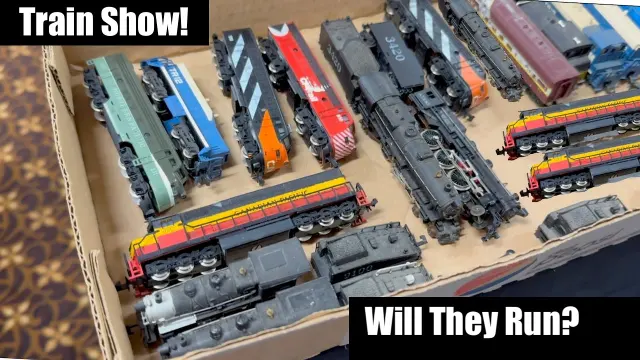
 Hunting For Vintage Locomotives At A Model Train Flea Market
#Model Railroad
6 ideas
Hunting For Vintage Locomotives At A Model Train Flea Market
 Inside Rod Stewart's Massive Private Model Train Collection
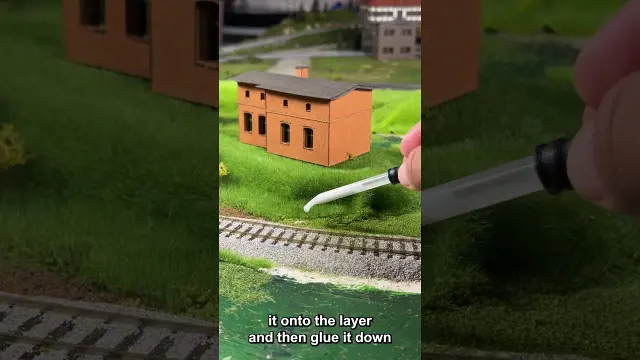 Tutorial On How To Add Realistic Grass To A Model Railroad
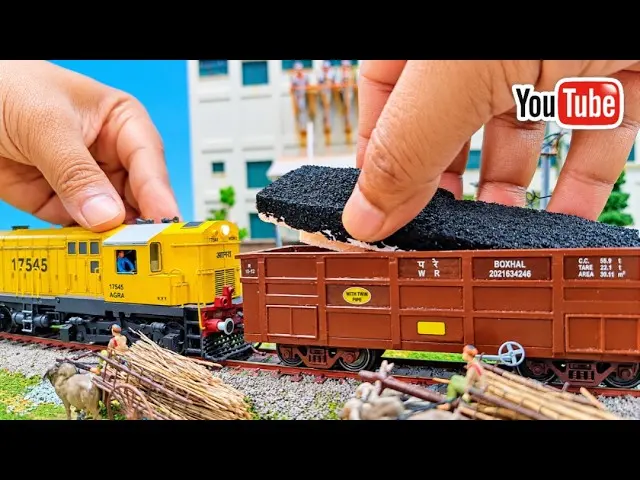 Indian Railways HO Scale Miniature Model Train Shunting
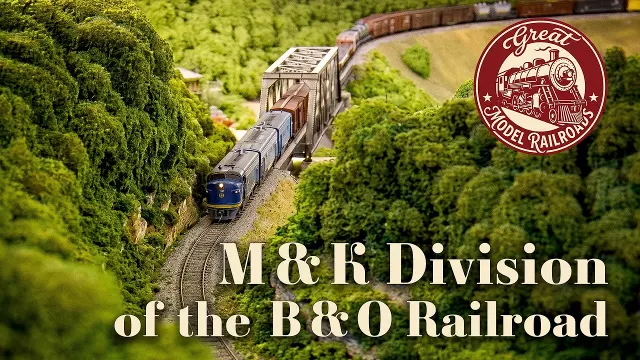 Exploring Don Cassler's B&O M&K Division Model Railroad
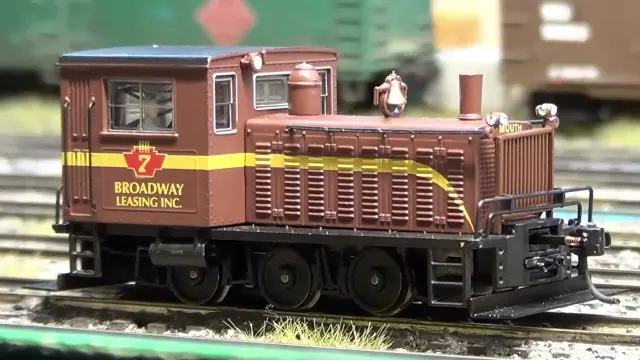 Reviewing The Broadway Limited Imports Plymouth Switcher
Get new #Model Railroad ideas by email
Every Thursday: the week's best ideas, with the newest from #Model Railroad.
Related tags
Model Railroad Guide for Beginners
A model railroad is a miniature railway system built for display, operation, or both. It can range from a small shelf layout to an entire room filled with track, trains, scenery, and structures. For many people, the appeal is a mix of engineering, creativity, and storytelling: you are not just collecting trains, you are building a world around them.
Model railroading has long roots in toy trains and scale modeling. Over time, it developed into a hobby with many different styles. Some layouts are designed for realistic operations, where trains move according to a timetable or switching plan. Others focus on scenery, atmosphere, or a favorite railroad theme. You might model a real place, a fictional town, a mountain division, a city terminal, or a simple branch line.
Scales and layouts
One of the first choices is scale, which determines the size of the model compared with the real train. Smaller scales let you fit more railroad into less space, while larger scales can be easier to handle and detail. The best scale for you depends on the space you have, your budget, and how much detail you want to work with.
Read more
The layout itself can be simple or complex. A beginner often starts with a small oval or point-to-point track plan, then adds sidings, scenery, and buildings over time. It is usually better to begin with a layout you can finish and enjoy than to start with something too ambitious.
Track, rolling stock, and power
A basic model railroad includes track, locomotives, cars, and a way to control the trains. Track quality matters because smooth rail joints and good alignment help trains run reliably. Rolling stock should match your scale and run well on the track you choose.
You can build a layout with traditional direct-current control or with more advanced digital systems. If you are starting out, the most important thing is to learn how trains behave on your chosen track and how to keep wheels, rails, and couplers clean and properly adjusted.
Scenery and realism
Scenery turns a train set into a model railroad. Ground cover, ballast, trees, roads, fences, and buildings help create a believable scene. Even simple scenery can make a layout feel complete. Many modelers use plaster, foam, paper, paint, and natural textures to shape the land.
A good layout does not need to be packed with detail everywhere. A few well-made areas often look more convincing than too much scenery done quickly. Think about how real railroads fit into the landscape: around towns, through fields, beside industry, or over bridges.
What beginners should know
- Plan for access. You need to reach every part of the layout for cleaning, repairs, and rerailing cars.
- Start with reliable trackwork. Smooth curves, solid joints, and proper wiring are more important than fancy details.
- Keep the design simple at first. Add complexity after you have trains running well.
- Build one scene at a time. This makes the project less overwhelming and gives you steady progress.
- Learn by doing. Small mistakes are part of the hobby, and each one teaches you something useful.
A model railroad is never really finished, which is part of its charm. You can keep improving it, changing it, and adding new scenes as your skills grow. Whether you care most about operations, collecting, or scenery, the hobby rewards patience, observation, and a willingness to experiment.
#Model Railroad: frequently asked questions
How do I start a model railroad if I am a beginner?
Start with a simple plan that you can finish and enjoy, such as a small oval or point-to-point layout. Focus first on reliable track, smooth running, and easy access, then add scenery and details as you learn.
What do I need to build a basic model railroad?
At the core, you need track, locomotives, cars, and a way to control them. A solid base, dependable wiring, and a few scenery materials like foam, paint, or ground cover will help turn it into a complete scene.
Which scale should I choose for my model railroad?
The best scale depends on the space you have, how much detail you want, and how easy you want the models to handle. Smaller scales fit more railroad into less room, while larger scales can be easier to work on and enjoy up close.
How can I make my model railroad look more realistic?
Realism often comes from the scenery as much as the trains, so add believable landforms, ballast, trees, roads, fences, and buildings. It is usually better to make a few areas look carefully finished than to spread detail too thinly everywhere.
What are common mistakes to avoid when building a model railroad?
A common mistake is making the layout too ambitious before the track runs well. It also helps to avoid poor access, rough track joints, and skipping maintenance, since clean wheels and rails make a big difference in reliable operation.
Videos come from YouTube and posts from Instagram; titles and summaries are our own. All rights belong to their creators.