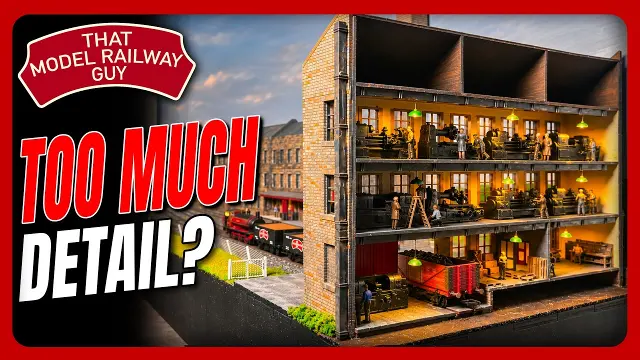
 Preparing A Model Railway For An Upcoming Public Exhibition
#Model Railway
6 ideas
Preparing A Model Railway For An Upcoming Public Exhibition
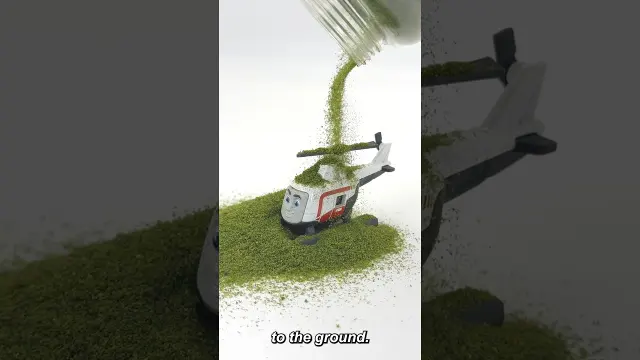 Updating A Custom Folding Model Train Layout With Scenic Details
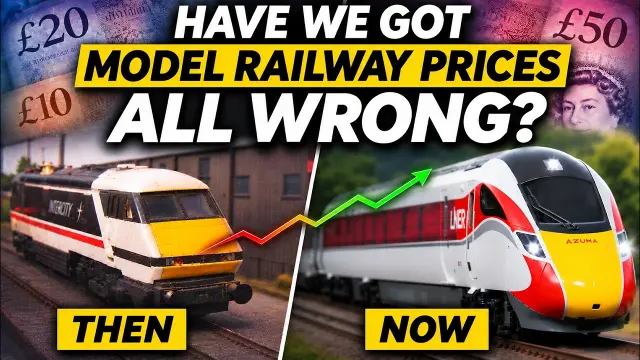 Comparing Past And Present Prices In The Model Railway Hobby
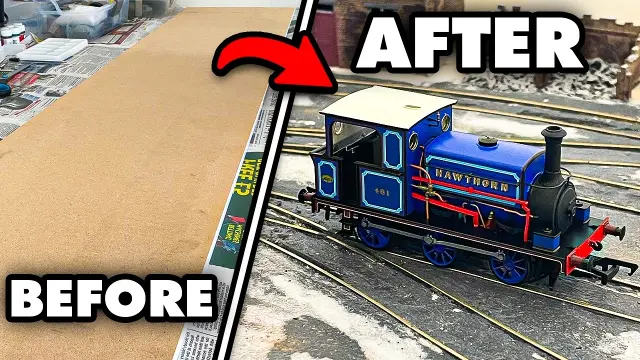 Building A First OO Scale Model Railway From Scratch
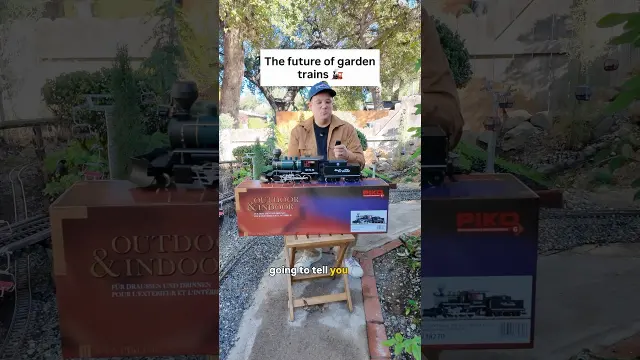 Unboxing And Reviewing The New Piko Tri-Mode G Scale Locomotive
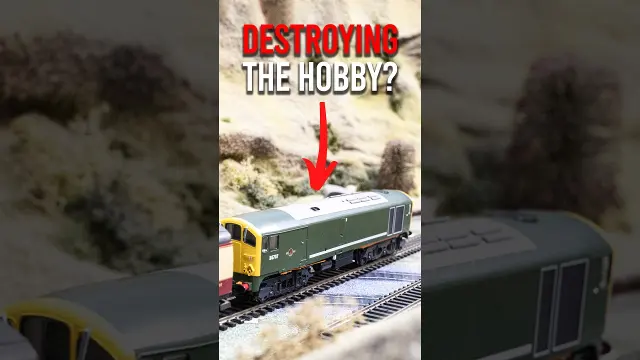 Discussing Common Pitfalls In Modern Model Train Products
Get new #Model Railway ideas by email
Every Thursday: the week's best ideas, with the newest from #Model Railway.
Related tags
Model Railway Guide for Beginners and Enthusiasts
Model railways bring together trains, landscape, architecture, and careful observation in miniature form. For many people, the appeal lies in more than the trains themselves. A good layout suggests a real place, with stations, bridges, roads, fields, industries, and small everyday details that make the scene feel alive.
What a model railway is
A model railway is a scaled-down representation of a real railway system or an imagined one. It may be built for display, operation, collecting, or a mix of all three. Some layouts are compact and highly detailed, while others fill an entire room and are designed for long trains and complex running.
Model railways come in many scales and gauges, which simply means the size of the models and the spacing of the tracks. Some hobbyists focus on one scale for accuracy, while others choose a size based on available space, budget, or ease of handling. The right choice is usually the one that fits both your room and your style of building.
Read more
Main approaches and styles
There are several common ways to enjoy the hobby:
- Prototype-based layouts that copy a real railway, town, or region
- Free-lance layouts that are inspired by reality but invented
- Continuous running layouts, where trains circle for display and relaxation
- Point-to-point layouts, where trains move between believable destinations
- Exhibition-style or portable layouts, designed to be moved and shown in public
Each style has its own pleasures. Continuous running is simple and satisfying, while point-to-point operation can feel more like running a real railway. A small layout can still be very convincing if the scenery and planning are thoughtful.
What beginners should know
If you are just starting out, it helps to begin with a clear, modest plan. A simple layout with one station, a short branch line, or a small freight yard can be more rewarding than an overambitious project that never gets finished.
A few practical ideas can make the hobby easier:
- Decide on a scale before buying too much equipment
- Start with reliable track planning and good access to wiring
- Leave enough space for curves, buildings, and scenery
- Test trains early, before the layout becomes crowded with details
- Keep the first project manageable so you can complete it
It is also wise to think about maintenance. Track should be reachable for cleaning, derailed stock should not be hard to recover, and scenery should not block essential access.
Scenery, realism, and finishing touches
Scenery is what turns a track plan into a world. Ground cover, trees, roads, fences, platforms, lighting, and weathering all help create a believable scene. Even simple scenic work can make a layout feel much richer. The key is consistency: buildings, vehicles, and landscape should belong to the same imagined place.
Weathering can be especially effective when used carefully. A little variation in colour on wagons, engines, tracks, and buildings can suggest age and use without making the scene look dirty or overdone. Small details such as loading areas, signs, figures, and stacked materials help tell a story.
Enjoying the hobby over time
Model railways are often built slowly, and that is part of the pleasure. You can improve a layout in stages, adding scenery, signals, structures, and operational detail as your confidence grows. If you keep your goals realistic and your design flexible, the hobby can stay enjoyable for many years.
#Model Railway: frequently asked questions
How do I start a model railway as a beginner?
Start with a simple plan that matches the space you have and the kind of running you want to enjoy. A small layout with one station, a short branch line, or a modest yard is often the easiest way to learn without becoming overwhelmed.
What do I need to build a model railway from scratch?
You will usually need a chosen scale, track, a way to power and test the trains, and a basic plan for scenery and structures. It also helps to think about access for wiring and cleaning before the layout becomes crowded with details.
Which type of model railway should I choose: realistic, free-lance, or continuous running?
Choose the style that best fits your interests and available space. A prototype-based layout suits people who want realism, a free-lance layout offers more creative freedom, and a continuous running layout is ideal if you want the relaxing sight of trains moving steadily around a scene.
How do I keep a model railway looking good and running smoothly?
Regular cleaning and easy access are important, especially for the track and places where rolling stock may derail. It also helps to add scenery in stages so you can still reach important areas and make adjustments as the layout grows.
What are some common mistakes to avoid when building a model railway?
One common mistake is starting with a layout that is too ambitious to finish comfortably. Another is buying too much equipment before deciding on a scale, or adding scenery so early that it blocks access for testing and maintenance.
What are good model railway ideas for an exhibition or display?
Portable layouts and compact scenes work well for exhibitions because they are easier to move and show to others. Strong scenery, clear track planning, and believable details can make even a small layout feel complete and memorable.
Videos come from YouTube and posts from Instagram; titles and summaries are our own. All rights belong to their creators.