 A Month on WWII Rations: Living the Home Front Diet
#Rationing
2 ideas
A Month on WWII Rations: Living the Home Front Diet
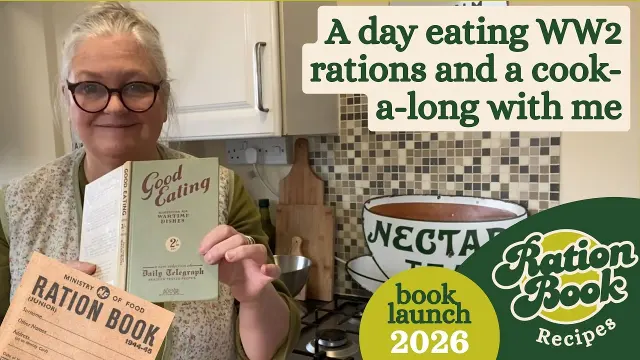 Full Day Eating WW2 Rations and Ration Book Recipes
Get new #Rationing ideas by email
Every Thursday: the week's best ideas, with the newest from #Rationing.
Related tags
Rationing: A Guide to Living with Limits
What rationing means
Rationing is a system for dividing limited goods fairly when there is not enough for everyone to have as much as they want. It is often used during war, shortages, or other disruptions to supply. The idea is simple: instead of letting a few people buy everything, access is controlled so more people can get at least some of what they need.
Rationing has appeared in many places and periods of history, especially where food, fuel, clothing, or other essentials were scarce. It is usually managed through allowances, coupons, points, or fixed quantities. In some cases, rationing is formal and government-run; in others, households ration supplies for themselves to stretch what they have.
Why rationing is used
Read more
The main purpose of rationing is fairness. When supply drops sharply, ordinary buying habits can quickly leave shelves empty and prices unstable. Rationing can help protect vulnerable people, reduce hoarding, and make sure basic goods are distributed more evenly.
It can also encourage careful use. When people know they have only a certain amount, they often plan meals better, waste less, and find new ways to reuse ingredients and materials. That kind of restraint can shape everyday habits, from cooking to clothing repair to fuel use.
Common forms of rationing
Rationing can apply to many different things, including:
- Food, such as bread, meat, sugar, fats, tea, or milk
- Fuel, such as petrol, coal, or heating oil
- Clothing and household goods
- Water or electricity in times of severe shortage
Systems vary widely, but the basic idea is the same: everyone is given a limited share according to the rules in place. Some systems are based on household size or need. Others use coupons, cards, or points that can be spent on different items.
How people adapt
Rationing changes the way people cook and shop. Home cooks often become more flexible, substituting ingredients, planning carefully, and making use of whatever is available. Simple recipes become more important because they can be adjusted easily. Leftovers, preserved foods, and economical ingredients tend to play a bigger role.
A few practical habits can help when supplies are limited:
- Plan meals around what you already have
- Use ingredients fully, including peels, stalks, and trimmings when appropriate
- Learn a few flexible recipes that work with substitutions
- Store food carefully to reduce spoilage
- Keep a calm, steady approach to shopping and cooking
What to know if you are interested in rationing
If you are studying rationing historically, it helps to remember that it is not only about scarcity. It also reveals how people organize daily life under pressure. Recipes, shopping habits, and even family routines often change to fit the limits.
For beginners, the best way to understand rationing is to look at the practical side first: what was limited, how allowances worked, and how households adapted. From there, you can see how rationing affects not just food, but also planning, comfort, and the idea of sharing resources fairly.
Videos come from YouTube and posts from Instagram; titles and summaries are our own. All rights belong to their creators.