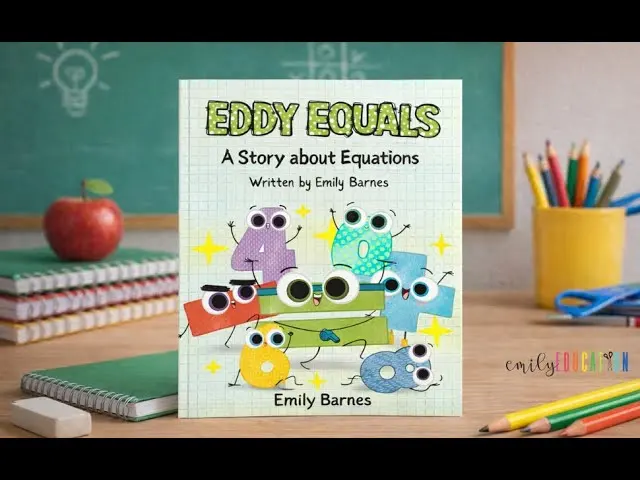
 A Story-Based Read-Aloud About Equations and Math Friends
#Read Aloud
10 ideas
A Story-Based Read-Aloud About Equations and Math Friends
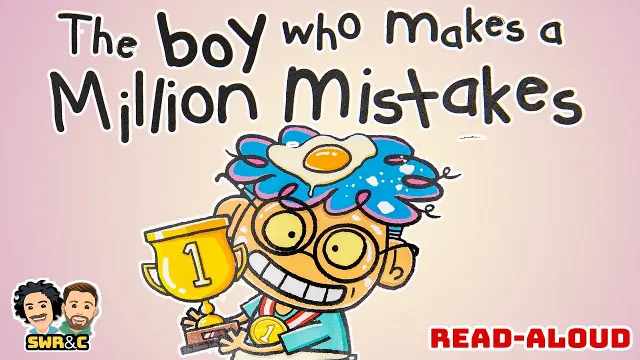 Read Aloud Story About Growth Mindset for Young Kids
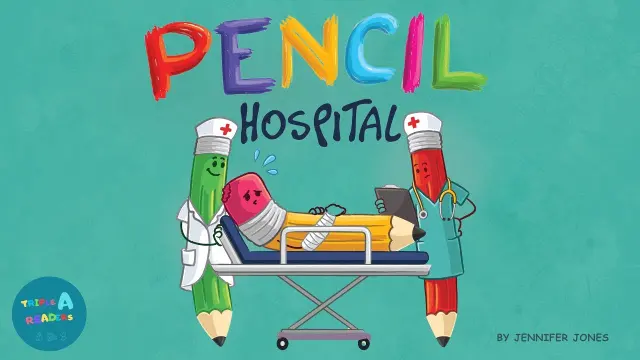 Pencil Hospital school supplies story read aloud
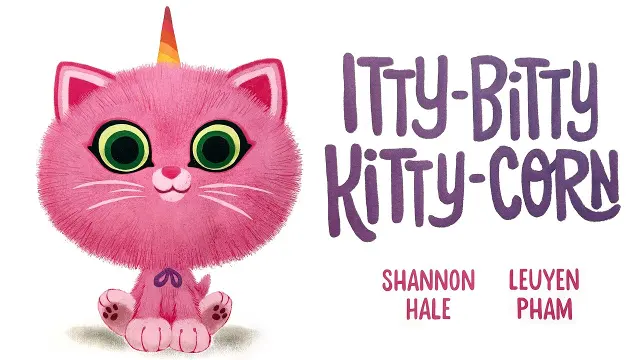 Itty-Bitty Kitty-Corn adorable book read-aloud
 English Reading Practice Exploring Communication and Listening
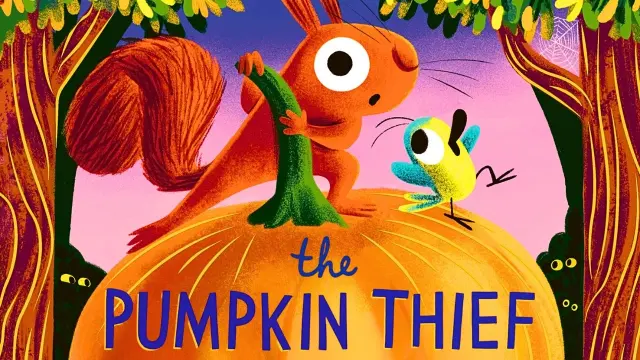 The Pumpkin Thief children's book read aloud
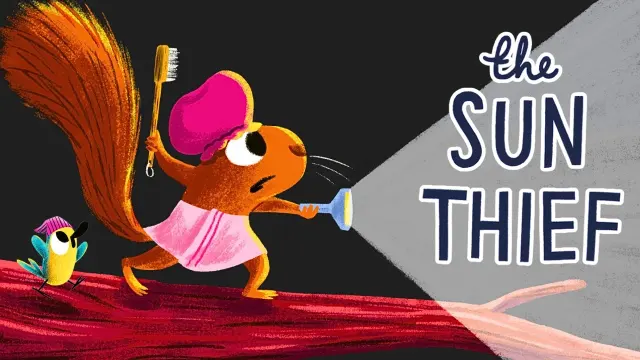 The Sun Thief summer story read aloud
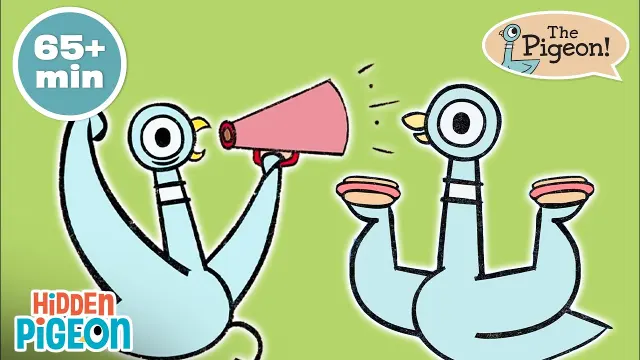 The Pigeon animated books read aloud marathon
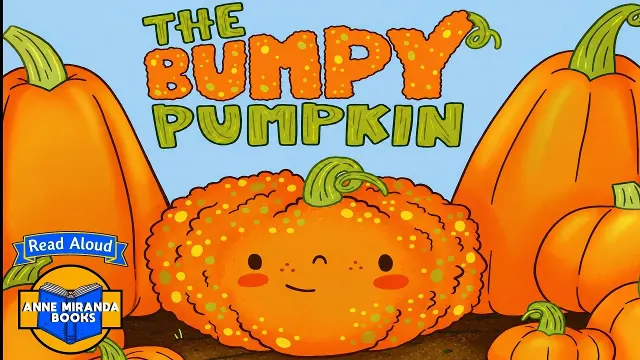 The Bumpy Pumpkin kids book read-aloud
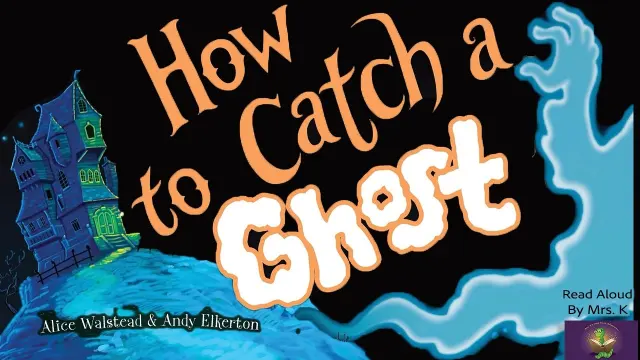 How to Catch a Ghost Halloween picture book read aloud
Get new #Read Aloud ideas by email
Every Thursday: the week's best ideas, with the newest from #Read Aloud.
Related tags
Read Aloud: A Guide to Sharing Stories
What read aloud means
Read aloud is the simple act of sharing a text by speaking it out loud for others to hear. It can be a picture book, a chapter from a novel, a poem, a story, or even a short article. People often use read aloud time with children, but it can also bring families, classrooms, and groups together around the same story.
The practice has a long history. Before reading was common for everyone, stories were passed on by voice, memory, and performance. Reading aloud continues that tradition in a quieter, more everyday form. It helps make language feel alive, not just printed on a page.
Why it is useful
Read more
Reading aloud supports listening, attention, vocabulary, and story understanding. It also gives children a chance to hear how language sounds naturally, including rhythm, pauses, and expression. For young readers, it can make books feel more welcoming and less difficult. For older children, it can build confidence and support reading fluency.
It is also a shared experience. When you read aloud, the story becomes something you enjoy together, rather than something one person does alone. That can be especially helpful when you want to connect over a calm routine, a bedtime story, or a classroom discussion.
Common kinds of read aloud
- Picture books: short, visual stories that work well for younger children and group reading
- Chapter books: longer stories that can be read in sections over several sessions
- Poems and rhymes: useful for hearing sound patterns and enjoying language
- Informational texts: helpful when you want to explore facts, ideas, or new topics together
- Paired reading: when one person reads and others follow along, repeat parts, or take turns
How to make it engaging
You do not need to perform perfectly. The best read alouds are clear, warm, and easy to follow. Speak at a comfortable pace and pause sometimes so listeners can take in the story. Use your voice to show different emotions, but keep it natural. If a sentence is funny, serious, or surprising, let that come through.
A few practical tips can help:
- Choose a text that suits the listener’s age and attention span
- Hold the book so everyone can see the pictures if there are any
- Pause to ask simple questions or predict what might happen next
- Repeat favorite stories when children ask for them
- Stop if listeners seem tired, restless, or overloaded
What beginners should know
If you are new to read aloud, start small. A short story is often better than a long one. Focus on clarity, not perfection. You do not need to explain every word; sometimes the story itself gives enough meaning. If a child interrupts with questions, that is usually a good sign that they are engaged.
Read aloud can be playful, comforting, and educational all at once. Most of all, it works best when you treat it as shared time, not a test.
Videos come from YouTube and posts from Instagram; titles and summaries are our own. All rights belong to their creators.