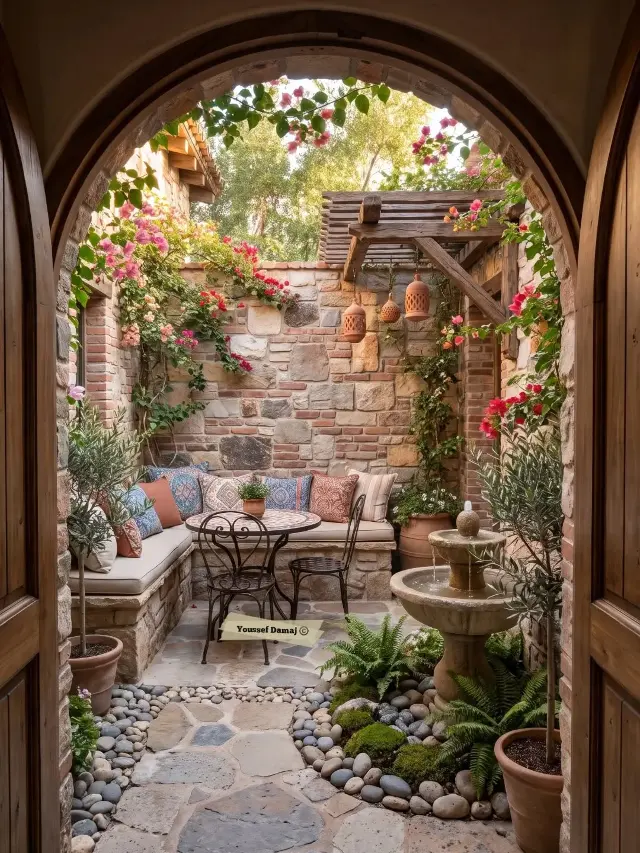
 A quiet and peaceful outdoor seating area design
#Relaxation Space
1 ideas
A quiet and peaceful outdoor seating area design
Get new #Relaxation Space ideas by email
Every Thursday: the week's best ideas, with the newest from #Relaxation Space.
Related tags
Relaxation Space Ideas for Calm, Comfortable Living
What a relaxation space is
A relaxation space is a place set aside for rest, quiet, and mental pause. It can be a whole room, a corner of a bedroom, a window seat, a balcony, or even a spot in the garden. The main idea is simple: this is an area that helps you slow down and feel at ease. A good relaxation space does not need to be large or elaborate. What matters most is that it feels calm, comfortable, and separate from the busier parts of daily life.
Where the idea comes from
People have always created quiet places for reflection, reading, meditation, or simply resting. In homes, these spaces often grew from practical needs: a chair near the window, a shaded bench outdoors, or a room where the pace naturally felt slower. Over time, the idea became more intentional. Today, a relaxation space may be designed for reading, tea breaks, journaling, gentle stretching, or just sitting in silence for a few minutes.
Read more
Common styles and settings
Relaxation spaces can look very different depending on your home and taste. Some are soft and minimal, with a few simple pieces and plenty of open space. Others feel cozy and layered, with cushions, blankets, and warm lighting. An outdoor relaxation space might use natural materials, plants, and comfortable seating to create a peaceful retreat.
You might choose a style that feels:
- Light and uncluttered
- Warm and cocoon-like
- Natural and earthy
- Softly traditional
- Simple and modern
The best style is the one that helps you feel settled, not the one that looks most decorative.
What makes a space feel restful
A calming space often depends on a few basic elements. Soft seating helps the body relax. Gentle lighting makes the area feel less harsh. Quiet colors can reduce visual busyness. Natural textures like wood, linen, cotton, rattan, or stone can make a room feel grounded. Plants, fresh air, and a view of the outdoors can also support a peaceful mood.
It helps to think about the senses:
- Sight: keep the area visually simple
- Sound: reduce noise where possible
- Touch: choose comfortable fabrics and textures
- Smell: use clean, familiar scents if you enjoy them
- Temperature: make sure the space feels neither too hot nor too cold
Practical tips for beginners
Start with one small area instead of trying to redesign a whole room. Choose a seat you truly enjoy using. Add a soft layer underfoot, a cushion, or a throw if it makes the space feel more welcoming. Keep clutter to a minimum, because too many items can interrupt the feeling of calm. If you use the space for reading or quiet hobbies, keep those materials nearby so the area feels inviting and ready to use.
If your relaxation space is outdoors, consider shade, shelter, and weather-friendly furniture so it stays pleasant in different conditions. Indoors, use curtains, lamps, or screens if you need to soften bright light or create a sense of privacy.
Making it your own
A good relaxation space should suit your habits. If you like stillness, keep it simple. If you enjoy journaling, add a small table and storage for notebooks. If you want a place for tea, reading, or quiet conversation, make sure the seating is practical as well as comfortable. The most successful space is one you naturally want to return to, again and again.
#Relaxation Space: frequently asked questions
How do I start creating a relaxation space at home?
Begin with one small area rather than trying to redo an entire room, and pick a seat you genuinely enjoy sitting in. Add a soft layer underfoot, a cushion or a throw, and clear away clutter so the corner feels calm the moment you approach it. Keep whatever you plan to do there, like a book or a notebook, close at hand so the space is ready to use.
Do I need an entire room to have a relaxation space?
No — a corner of a bedroom, a window seat, a balcony or a bench in the garden works just as well as a dedicated room. What matters is that the spot feels calm, comfortable and set apart from the busier parts of daily life. A small, well-chosen area you actually return to is more useful than a large space you rarely use.
What should I put in a relaxation space?
Focus on the basics: comfortable seating, gentle lighting, quiet colors and natural textures such as wood, linen, cotton, rattan or stone. Think through the senses as you arrange things — reduce noise where you can, soften harsh light with curtains or lamps, and keep the area visually simple. If you enjoy a particular quiet hobby there, store its materials nearby so the space stays inviting.
Which style of relaxation space should I choose?
The right style is the one that helps you feel settled, not the one that looks most decorative. Some people prefer a light, minimal space with few pieces and open room; others feel calmer in a cozy, layered corner with cushions, blankets and warm light. Outdoor spaces often suit natural materials and plants, but your own habits should guide the choice.
How do I care for an outdoor relaxation space?
Plan for shade, some form of shelter and furniture that handles weather well so the area stays pleasant through different conditions. Natural materials and plants help it feel like a retreat, but they need occasional attention to keep the space looking and feeling cared for. Bring soft items like cushions and throws indoors when conditions turn rough.
What mistakes should I avoid when setting up a relaxation space?
The most common slip is overcrowding the area — too many items interrupt the feeling of calm you are trying to create. Another is choosing a seat or style that looks good but does not suit how you actually spend time there, which leaves the space unused. Keep it practical as well as pretty so you naturally want to return to it.
Videos come from YouTube and posts from Instagram; titles and summaries are our own. All rights belong to their creators.