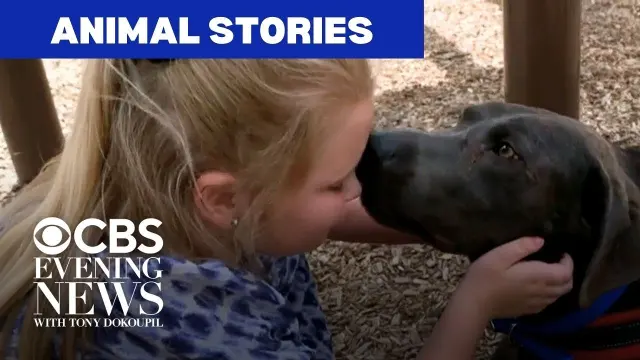
 Heartwarming Real Life Animal Stories from Steve Hartman
#Rescues
1 ideas
Heartwarming Real Life Animal Stories from Steve Hartman
Get new #Rescues ideas by email
Every Thursday: the week's best ideas, with the newest from #Rescues.
Related tags
Rescue Animals and Adoption
What rescue means
A rescue animal is an animal that has been removed from a harmful, unsafe, or uncertain situation and given a chance at a better life. Rescue can involve stray animals, abandoned pets, animals surrendered by their owners, or animals transferred from overcrowded shelters and difficult living conditions. The word “rescue” is also used more broadly for the people and organisations that help these animals recover and find new homes.
Rescue work has long been part of animal welfare. In many places, it is carried out by shelters, foster carers, volunteers, and small local groups that focus on rehoming, rehabilitation, and basic care. The goal is simple: to give an animal safety, stability, and the opportunity to be loved again.
Common kinds of rescue situations
Read more
Rescue animals come in many forms, and each one may need something different.
- Some are healthy and social, but have simply lost their home.
- Some are nervous, underfed, or unused to human contact.
- Some may need time to recover from neglect, illness, or stress.
- Some are young animals who need bottle-feeding or extra care.
- Others are older animals who thrive best in calm, patient homes.
Because of this variety, there is no single “rescue pet” experience. Some animals settle quickly, while others need weeks or months to feel safe. Patience matters.
What you should know before adopting
If you are thinking about adopting, it helps to be honest about your routine, space, energy, and experience. Rescue animals often do best when their new home is steady and predictable.
A few practical things to keep in mind:
- Ask about the animal’s temperament, habits, and history if that information is known.
- Prepare a quiet space where the animal can rest without too much noise or activity.
- Introduce new people, pets, and routines gradually.
- Be consistent with feeding, walking, play, and rest.
- Expect an adjustment period. Confidence usually grows with time.
It is also wise to remember that love alone is not always enough. Some rescue animals need training, veterinary care, or support from an experienced handler. If you are uncertain, start with a foster arrangement or seek guidance from a qualified shelter or rescue group.
The value of fostering and volunteering
Not everyone can adopt, but many people still help rescue animals in important ways. Fostering gives an animal a temporary home while it waits for adoption. This can reduce stress, improve social skills, and free up shelter space for another animal in need.
Volunteering may involve walking dogs, cleaning spaces, socialising shy animals, helping at adoption events, or supporting transport and fundraising. Even small acts of help can make a real difference.
Caring for a rescue animal
The best care is calm, patient, and consistent. Speak gently, allow the animal to choose when to come closer, and avoid overwhelming them with too much too soon. Regular routines, soft encouragement, and respectful handling can help build trust.
Rescue is not only about saving an animal. It is also about giving them the time and dignity to heal, settle, and become part of a home again.
Videos come from YouTube and posts from Instagram; titles and summaries are our own. All rights belong to their creators.