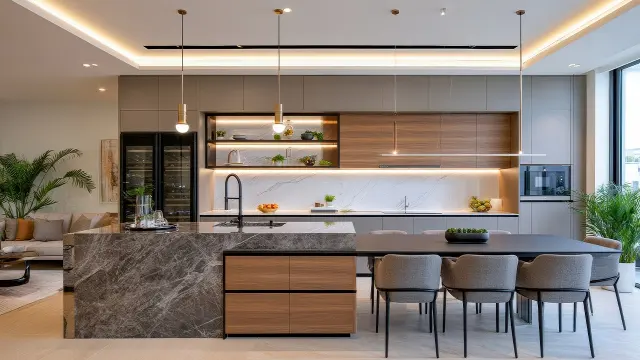
 Exploring the Psychology of Open Space in Residential Design
#Residential Design
17 ideas
Exploring the Psychology of Open Space in Residential Design
 Latest Luxury Home Design Trends and Architectural Features
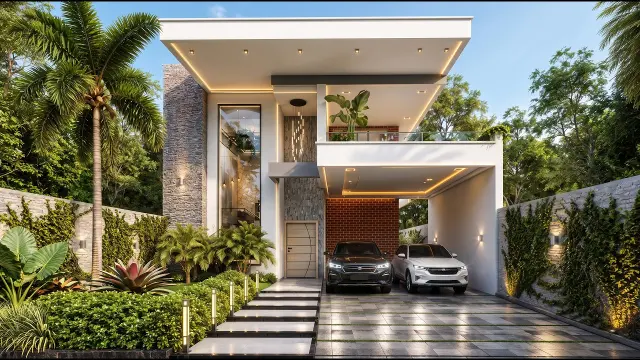 Modern Minimalist Two-Story House Plans With Pool
 Why Hotel Interiors Always Feel Better Than Residential Homes
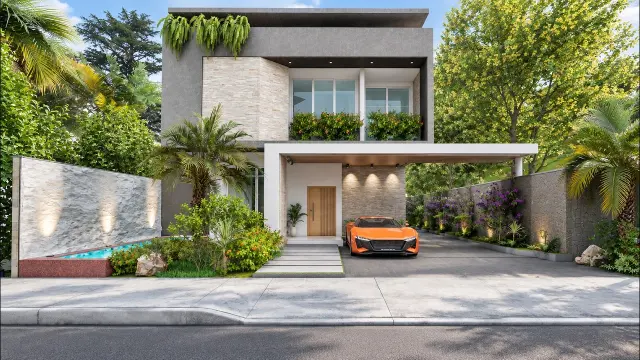 Modern Tropical Four-Bedroom House With Private Pool
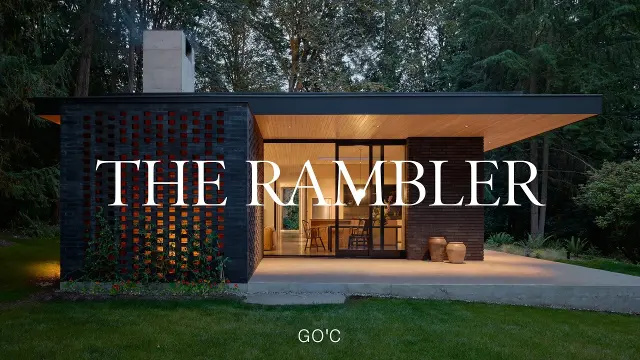 Architect-Designed Forest Home Tour in Washington State
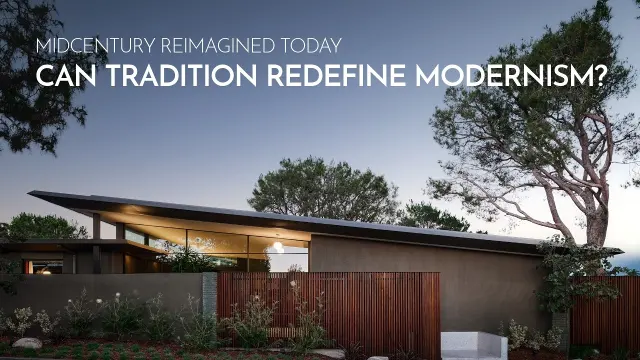 The Reinvention of a Midcentury Modern House in Los Angeles
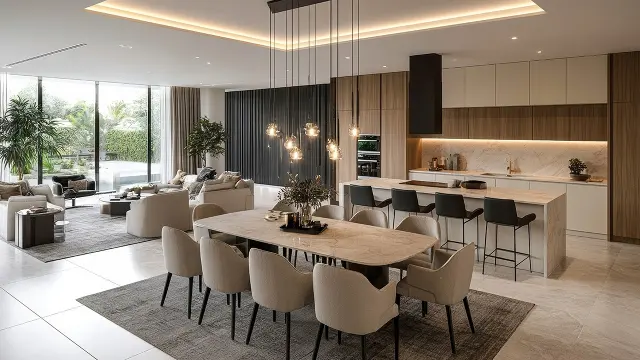 Modern Home Interior Design With Seamless Open Flow
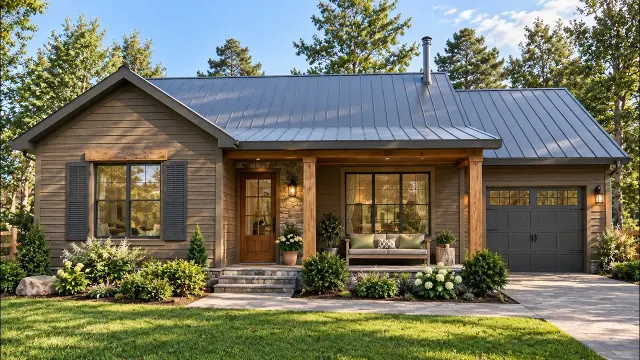 Charming Rustic Small Home Design With Warm Wood Details
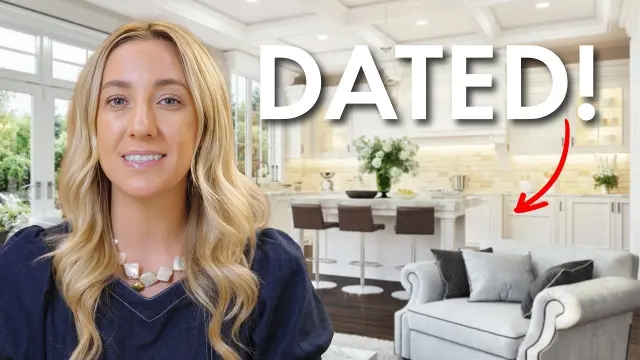 Five Interior Design Trends to Avoid in 2026
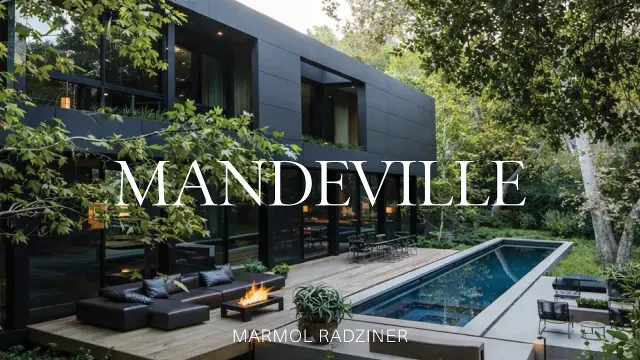 An Architect's Own Home Hidden Inside a Secret Garden
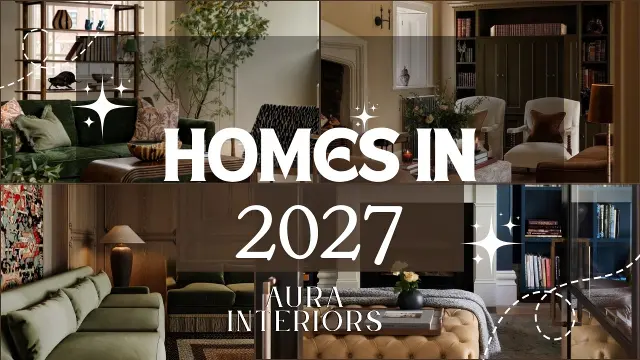 Interior Design Trends and Decor Ideas Shaping Future Homes
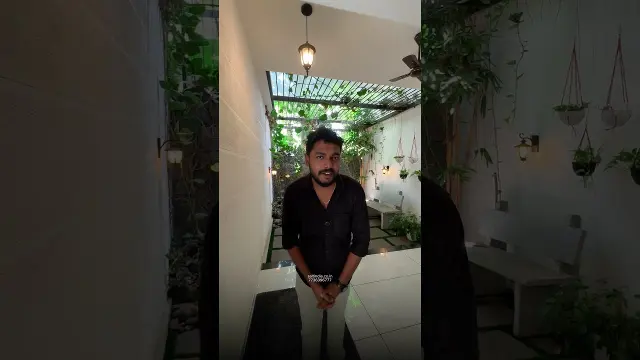 How Architects Create the Perfect Residential House Plan
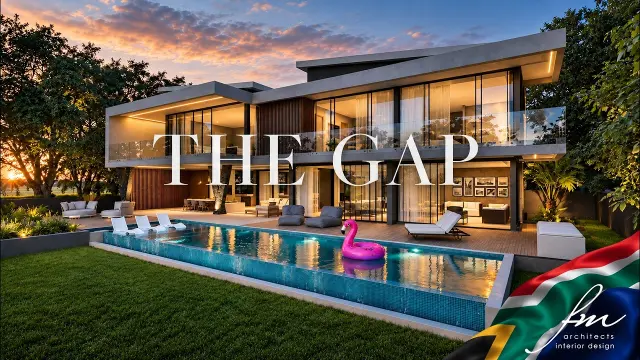 Innovative Modern Architecture in South Africa
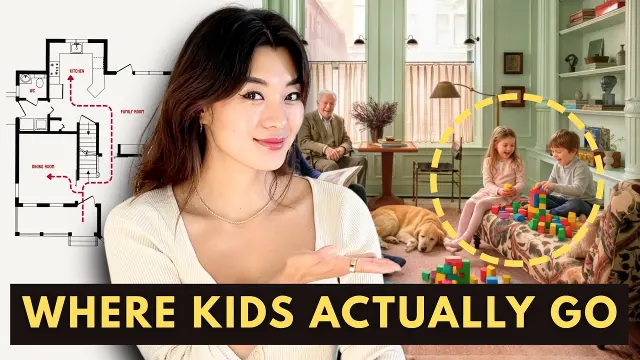 Five Architectural Features Every Family Home Needs
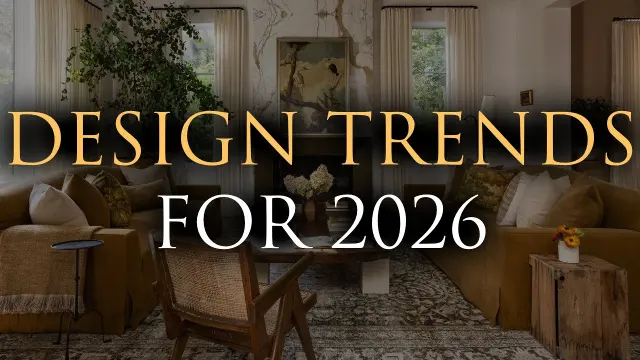 Timeless Interior Design Ideas to Elevate Your Home
 A Comprehensive Beginner Guide to Practical Interior Design
Get new #Residential Design ideas by email
Every Thursday: the week's best ideas, with the newest from #Residential Design.
Related tags
Residential Design Ideas and Essentials
What residential design means
Residential design is the planning and shaping of homes so they are comfortable, practical, and pleasant to live in. It covers the overall layout of a house or apartment, the way rooms connect, the use of light and storage, and the style that gives a home its character. Good residential design balances beauty with daily life, so a space feels easy to use as well as inviting.
Residential design can apply to a new build, a renovation, or a room-by-room update. It may involve an architect, interior designer, or homeowner working through the same basic questions: how people move through the home, how each room will be used, and how the spaces should feel.
Common styles and approaches
Read more
Homes can be designed in many styles, but most residential design falls into a few broad approaches. Some homes are traditional, with familiar details, symmetrical layouts, and classic materials. Others are modern, with simpler forms, open spaces, and a focus on light and function. Transitional design sits between the two, mixing older and newer elements in a calm, flexible way.
The best style for your home is the one that suits the building, the setting, and the way you live. A design that feels timeless usually relies on proportion, good materials, and a clear sense of order rather than decoration alone.
Key parts of a well-designed home
A strong residential design usually pays attention to these basics:
- Flow: rooms should connect in a way that feels natural
- Light: windows, openings, and reflective surfaces help make a home feel brighter
- Storage: built-in or well-planned storage reduces clutter
- Privacy: bedrooms, bathrooms, and quiet spaces should feel separate when needed
- Flexibility: rooms can be designed to serve more than one purpose
- Comfort: furniture placement, circulation, and scale matter as much as style
Even small homes benefit from these ideas. Careful planning can make limited space feel more open and useful.
Materials, finishes, and details
The materials you choose shape both the look and the feel of a home. Wood, stone, tile, plaster, glass, and metal all create different effects, and they can be combined in many ways. In residential design, it often helps to keep the number of finishes under control so the home feels calm and coherent.
Details also matter. Door placement, trim, cabinet lines, floor transitions, and ceiling height all influence how a room feels. These elements may seem small, but together they create the overall experience of the house.
Tips for planning your own home
If you are starting a residential design project, begin with how you live rather than with colors or furnishings. Think about where you spend the most time, what feels crowded, and what feels missing.
- Make a list of daily routines and room needs
- Separate must-haves from nice-to-haves
- Consider light, storage, and traffic flow early
- Keep furniture scale in mind when planning rooms
- Choose finishes that suit both the style and the use of the home
- Aim for consistency so the spaces feel connected
Good residential design does not need to be elaborate. When a home is clear, comfortable, and suited to the people living in it, the result feels both lasting and personal.
Videos come from YouTube and posts from Instagram; titles and summaries are our own. All rights belong to their creators.