 Historical Data Analysis of Whole Life Insurance Policies
#Retirement Income
4 ideas
Historical Data Analysis of Whole Life Insurance Policies
 Tax Planning Strategies for High Net Worth Retirees
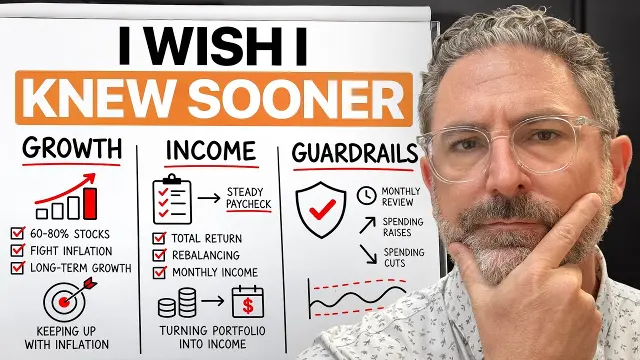 Designing a Portfolio Strategy for Long Retirements
 Managing a Two Million Dollar Retirement Portfolio
Get new #Retirement Income ideas by email
Every Thursday: the week's best ideas, with the newest from #Retirement Income.
Related tags
Retirement Income Planning and Strategies
What retirement income means
Retirement income is the money you use to cover living costs after you stop earning a regular salary. It can come from many sources, such as savings, pensions, government benefits, annuities, rental income, or withdrawals from investment accounts. The goal is not just to have money saved, but to turn those assets into a reliable flow of income that can support your lifestyle over time.
A good retirement income plan usually balances three things: steady cash flow, protection against running out of money, and flexibility for changing needs. Because retirement can last many years, the plan often needs to cover both everyday expenses and occasional larger costs.
Common sources of income
Read more
Retirement income often comes from a mix of sources rather than one single pot.
- Guaranteed income: pensions or annuity-style payments can provide a predictable base.
- Government benefits: depending on where you live, public retirement benefits may form an important part of your income.
- Investment withdrawals: money drawn from savings, funds, or other investments can supplement fixed income.
- Interest and dividends: some assets may generate regular payments without selling the underlying investment.
- Part-time work or business income: some people choose to earn a little after retirement for extra flexibility.
Many retirees aim to cover essential expenses with dependable income, then use more flexible sources for travel, gifts, or other discretionary spending.
Main approaches to retirement income
There is no single correct method, but a few broad approaches are common.
- Bucket strategy: money is divided into short-, medium-, and long-term pools, helping you match cash needs with time horizons.
- Income-focused strategy: investments are chosen partly for the income they generate, such as interest or dividends.
- Systematic withdrawal strategy: you take regular withdrawals from a diversified portfolio, adjusting as needed.
- Guaranteed income layering: you combine fixed income sources with investments to create a more stable floor of income.
Each approach has strengths and trade-offs. Some offer more certainty, while others may provide more growth or flexibility.
What beginners should know
If you are just starting to think about retirement income, begin with your expenses. Knowing your basic monthly needs helps you understand how much dependable income you require. Then look at all possible sources and decide which ones are stable, which ones may change, and which ones can be used later if needed.
It also helps to understand taxes, because different income sources may be treated differently. The order in which you withdraw money can affect how long your savings last. If your situation is complex, a qualified financial professional can help you think through the details.
Practical tips
- Build a clear budget for essential and non-essential spending.
- Keep some money accessible for emergencies and unexpected costs.
- Diversify your income sources so you are not relying on only one stream.
- Review your plan regularly as your needs, health, and spending patterns change.
- Think about inflation, since prices can rise over time and reduce purchasing power.
- Plan for long-term care or other large expenses if they may affect your finances.
The best retirement income plan is usually one that is steady, adaptable, and realistic for your life. It should help you feel secure without locking you into a rigid approach.
Videos come from YouTube and posts from Instagram; titles and summaries are our own. All rights belong to their creators.