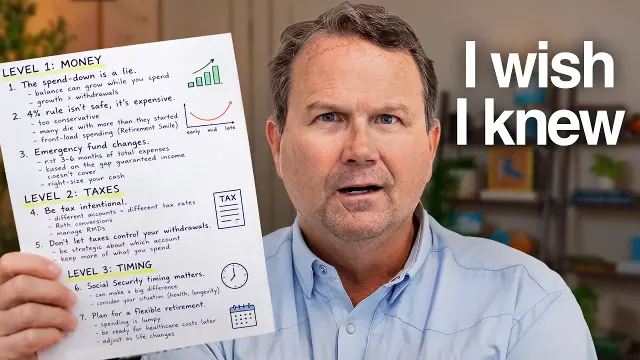
 Eighteen Strategies to Protect and Manage Retirement Income
#Retirement Tips
1 ideas
Eighteen Strategies to Protect and Manage Retirement Income
Get new #Retirement Tips ideas by email
Every Thursday: the week's best ideas, with the newest from #Retirement Tips.
Related tags
Retirement Tips and Planning Guide
What retirement planning is
Retirement planning is the process of preparing for the years when you may no longer rely on a regular paycheck. It usually includes thinking about your income, spending, savings, housing, health needs, and the kind of daily life you want later on. Good planning is not only about money. It is also about creating stability, flexibility, and peace of mind.
People approach retirement in different ways. Some want to stop working completely, while others prefer part-time work, freelance projects, or a slower pace. There is no single right path. The useful part is to think ahead so your choices feel manageable rather than rushed.
Main areas to consider
Read more
A practical retirement plan usually includes a few key pieces:
- Income: how money may come in from savings, pensions, investments, or work
- Spending: what your regular expenses are likely to be
- Housing: whether your current home still suits your needs
- Health and support: how you may handle medical care, daily help, or long-term changes
- Lifestyle: how you want to spend your time, energy, and attention
It can help to picture both your everyday life and your less predictable needs. Some costs may go down after retirement, while others may increase. Keeping a little flexibility in your plan makes it easier to adjust.
Useful retirement tips
Start by listing what you spend now. Even a simple overview can show where your money goes and which costs are essential. Then think about which expenses might change later. This gives you a clearer picture of the life you are planning for.
It is also wise to build a cushion for unexpected costs. Retirement often feels steadier when you are not relying on exact assumptions. A small margin for the unexpected can reduce stress.
Try to keep your plans realistic and simple. Complicated strategies can be hard to follow over time. A plan that you understand is usually more useful than one that sounds impressive but is difficult to maintain.
Different kinds of retirement choices
Retirement does not always mean a complete stop to work. Some people choose:
- Full retirement
- Part-time work
- Occasional consulting or freelance work
- A gradual transition out of work
- A lifestyle focused on volunteering, travel, family, or hobbies
What matters is finding a rhythm that fits your health, finances, and personal goals. There is no need to copy someone else’s version of retirement.
Practical habits that help
A few steady habits can make retirement planning easier:
- Review your plans regularly
- Keep important documents organized
- Think about how your needs may change with age
- Talk through decisions with trusted family members if needed
- Leave room for rest, enjoyment, and unexpected changes
If you are just starting, begin with the basics. You do not need to solve everything at once. Retirement planning works best when you take it step by step and revisit it over time.
Videos come from YouTube and posts from Instagram; titles and summaries are our own. All rights belong to their creators.