 Complete Five Year Retirement Planning Blueprint
#Tax Planning
2 ideas
Complete Five Year Retirement Planning Blueprint
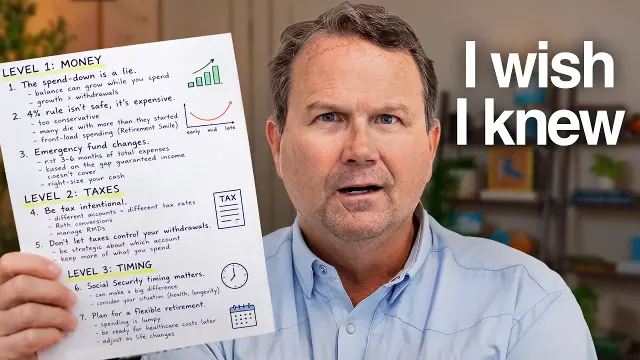 Eighteen Strategies to Protect and Manage Retirement Income
Get new #Tax Planning ideas by email
Every Thursday: the week's best ideas, with the newest from #Tax Planning.
Related tags
Tax Planning Basics for Individuals and Families
Tax planning is the practice of organising your financial life so you can meet your tax obligations in a sensible, legal way. It is not about avoiding tax altogether. Instead, it means understanding how income, savings, spending, investments, and timing choices can affect what you owe. For many people, good tax planning is simply part of good financial housekeeping.
What tax planning means
At its core, tax planning asks a few basic questions: When will income be received? What expenses may be deductible? Which accounts or structures apply? And how might one financial decision affect another? Because tax rules vary by country and can change over time, the exact details depend on where you live. But the basic idea is universal: keep track of your finances, know the rules that apply to you, and make choices with the full picture in mind.
Tax planning is used by employees, self-employed people, families, retirees, and anyone with savings or investments. It can help you avoid surprises, reduce stress at tax time, and make better decisions throughout the year rather than rushing at the deadline.
Read more
Common areas to think about
A thoughtful tax plan often looks at:
- Income timing, such as when bonuses, freelance payments, or other earnings are received
- Retirement savings and pension contributions, where rules may allow tax advantages
- Investments, especially how interest, dividends, or gains may be treated
- Homeownership costs, where some expenses may or may not be relevant for tax purposes
- Family-related allowances, credits, or deductions, if they apply in your system
- Self-employment expenses and record keeping, which can be especially important for freelancers and small business owners
Even if you do not have many deductions, tracking your records carefully can still make a big difference. Receipts, statements, mileage logs, invoices, and bank records can help you stay organised and support your filings if needed.
Good habits for beginners
If you are new to tax planning, start with the basics:
- Keep financial records in one place
- Review pay slips, statements, and year-end summaries regularly
- Learn which expenses are personal and which are potentially tax-related
- Set aside money during the year if you do not have tax withheld automatically
- Check whether life changes such as marriage, children, a new job, or moving home affect your situation
It also helps to build a yearly routine. A simple midyear review can reveal missing paperwork, changing income, or opportunities to adjust your saving and spending habits before tax season arrives.
Practical advice
The best tax planning is usually steady and simple. Try not to make financial decisions based only on tax effects, because the right choice depends on your broader goals. A deduction is useful, but it should never be the only reason to spend or invest. If your situation is straightforward, careful record keeping may be enough. If it is more complex, a qualified tax professional can help you understand your options.
Above all, think of tax planning as part of long-term financial care. With a little organisation and regular review, you can make tax time less stressful and manage your money with more confidence.
Videos come from YouTube and posts from Instagram; titles and summaries are our own. All rights belong to their creators.