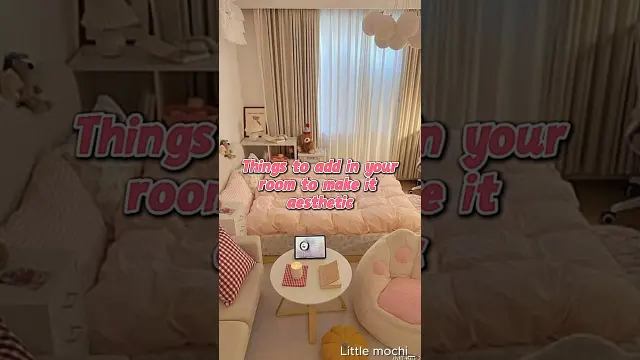
 Simple Ideas To Make Your Room Feel More Aesthetic
#Room Ideas
3 ideas
Simple Ideas To Make Your Room Feel More Aesthetic
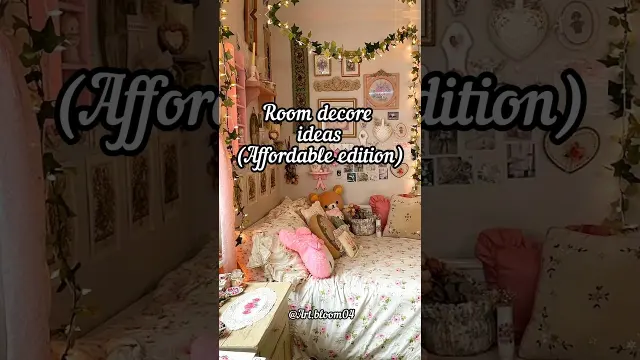 Affordable DIY Craft Ideas For Aesthetic Room Decor
 Twenty Affordable DIY Room Decor Ideas
Get new #Room Ideas ideas by email
Every Thursday: the week's best ideas, with the newest from #Room Ideas.
Related tags
Room Ideas for a Stylish, Personal Space
What room ideas are
Room ideas are the choices you make to shape a room’s look, feel, and function. They can be as simple as changing the colour palette or as involved as rethinking furniture, storage, lighting, and decoration. Good room ideas help a space feel more comfortable, more organised, and more like you.
Most people think about room ideas when a space feels unfinished, cluttered, or hard to use. But they are useful at any stage. You might want a bedroom that feels calm, a living room that works for family time, or a small room that feels brighter and more open. The best ideas usually balance beauty with practicality.
Where to begin
Read more
Start with the room’s purpose. A room used for rest needs different choices from one used for work, reading, or gathering. Then look at what is already there: natural light, wall colour, floor space, storage, and the pieces you want to keep. This helps you build ideas around the room instead of forcing a look that does not fit.
A simple way to plan is to think in layers:
- Foundation: walls, flooring, and large furniture
- Function: storage, seating, lighting, and layout
- Feeling: textiles, colour, artwork, plants, and decorative objects
If you are unsure where to start, choose one main direction first. A soft, neutral room feels calm and airy. A room with richer colour can feel warm and expressive. A mix of both often works well too.
Common styles and approaches
Room ideas can lean in many directions, but a few broad approaches are especially useful:
- Minimal and calm: clean lines, fewer objects, simple colours
- Cosy and layered: soft textiles, warm lighting, mixed textures
- Classic and balanced: symmetry, timeless furniture, restrained colour
- Natural and relaxed: wood, plants, woven materials, light fabrics
- Creative and personal: collected objects, artwork, patterns, and handmade details
You do not need to follow one style exactly. Many of the most inviting rooms mix elements from more than one approach.
Practical tips that help
A good room usually feels edited rather than crowded. Leave some open space so the eye can rest. Use a few larger pieces instead of many small ones when possible, because they often make a room feel calmer. Mirrors can help reflect light, while layered lighting makes a room more flexible and welcoming.
Textiles are one of the easiest ways to change a room’s mood. Cushions, curtains, rugs, and bedding add colour and texture without a major commitment. Artwork and personal objects also matter, because they make the space feel lived in rather than staged.
For small rooms
In smaller spaces, think carefully about scale and storage. Furniture with a lighter visual shape can help the room feel less crowded. Wall shelves, under-bed storage, and multifunctional pieces can free up floor space. Keeping the colour palette simple often makes a small room feel more open, but a small room can still have character through texture, artwork, or a single strong accent colour.
Making the room feel like yours
The most successful room ideas are not just attractive; they suit your habits and your life. Choose pieces you will enjoy living with, and give yourself time to adjust the room slowly. A well-designed space rarely happens all at once. It grows through small choices that make everyday life easier and more pleasant.
Videos come from YouTube and posts from Instagram; titles and summaries are our own. All rights belong to their creators.