 Leftover Turkey Sandwich Inspired by American Dad
#Sandwich
3 ideas
Leftover Turkey Sandwich Inspired by American Dad
 Quick five-minute breakfast sandwich
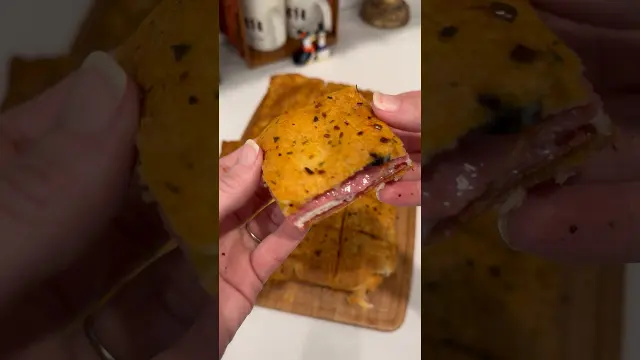 Zesty Italian Baked Crescent Roll Sandwiches
Get new #Sandwich ideas by email
Every Thursday: the week's best ideas, with the newest from #Sandwich.
Related tags
Sandwiches: the simple classic between two slices
A sandwich is one of the simplest and most versatile foods: filling placed between two slices of bread, inside a split roll, or wrapped in another flat bread. It is practical, portable, and easy to adapt to different tastes, meals, and occasions. From a quick breakfast to a packed lunch or a casual supper, the sandwich has become a familiar part of everyday eating in many cultures.
What a sandwich is
At its core, a sandwich combines a base, a filling, and often a spread or sauce. The bread can be soft or crusty, plain or flavored, fresh or toasted. The filling may be as simple as butter and jam, or it may include cheese, eggs, vegetables, meats, fish, or plant-based alternatives. Because the structure is so flexible, sandwiches can be light or substantial, neat or generously layered.
The idea behind the sandwich is convenience, but it is also about balance. A good sandwich usually brings together different textures and flavors: soft and crisp, mild and salty, creamy and fresh, warm and cool.
Read more
Common kinds and styles
There are many traditional forms of sandwiches, and the names often reflect the bread or the way they are assembled.
- Open sandwiches: one slice of bread with toppings on top.
- Closed sandwiches: two slices of bread or a split roll enclosing the filling.
- Toasted sandwiches: heated until the bread is crisp and the filling is warm or melted.
- Wrap-style sandwiches: fillings enclosed in flatbread, tortilla, or similar bread.
- Tea sandwiches: small, delicate sandwiches cut into neat shapes.
- Club-style sandwiches: layered sandwiches with multiple fillings and slices of bread.
- Filled rolls and baguettes: sturdy breads used for heartier sandwiches.
Fillings and flavor combinations
You can build a sandwich around almost any ingredient, but balance matters. Soft fillings often benefit from something crisp, while rich ingredients may need freshness or acidity to keep the sandwich from feeling heavy.
Good combinations often include:
- Mild cheese with sliced vegetables
- Egg with greens or herbs
- Chicken or turkey with salad leaves
- Tuna or salmon with a little crunch
- Roasted vegetables with a spread
- Peanut butter or nut spread with fruit or jam
If you are making sandwiches for children or for a mixed group, simple fillings are often the easiest to enjoy. If you prefer bolder flavors, use mustard, pickles, chutney, herbs, or seasoned spreads in small amounts so the sandwich stays balanced.
Practical tips for making a better sandwich
- Choose bread that suits the filling. Soft bread works well for tender fillings, while firmer bread helps hold heavier ones.
- Keep wet ingredients away from the bread when possible. Lettuce, cheese, or a thin spread can help prevent sogginess.
- Don’t overfill. A sandwich should be easy to bite and hold together.
- Season in layers. A little salt, pepper, herbs, or spread can make a simple sandwich taste fuller.
- Assemble just before eating when you can, especially if the filling is moist.
- Toasting can improve texture, but it is not always necessary.
A food for everyday life
One reason sandwiches remain so popular is that they are easy to personalize. You can make them plain or elaborate, small or large, quick or carefully layered. They are useful for busy days, picnics, lunches, and relaxed meals at home.
If you are just starting to make sandwiches, begin with a few reliable combinations and pay attention to texture. As you get comfortable, you will learn which breads, spreads, and fillings you enjoy most. The best sandwich is usually the one that feels satisfying, balanced, and easy to eat.
Videos come from YouTube and posts from Instagram; titles and summaries are our own. All rights belong to their creators.