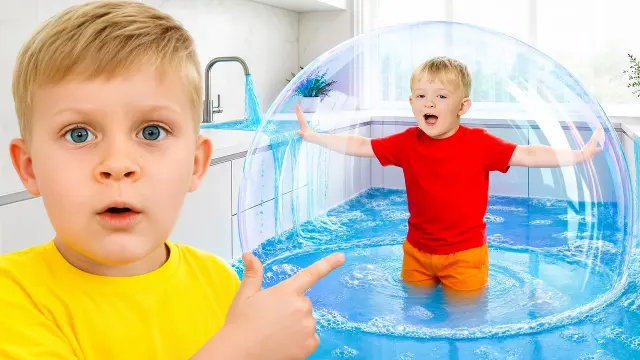
 Kids Learn Creative Ways to Save Water
#Save Water
1 ideas
Kids Learn Creative Ways to Save Water
Get new #Save Water ideas by email
Every Thursday: the week's best ideas, with the newest from #Save Water.
Related tags
Save Water: Simple Habits for Everyday Life
What saving water means
Saving water means using only the amount you need and avoiding waste wherever possible. Water is essential for drinking, cooking, cleaning, growing food, and keeping homes and public spaces running. Because clean water is shared across households, farms, and communities, careful use matters even when water seems plentiful.
Water-saving habits have long been part of everyday life in places where water is scarce, but they are useful anywhere. Small changes at home can make a real difference over time, especially when many people do them consistently.
Common ways to save water
Read more
The simplest water-saving methods focus on daily routines. In the kitchen, you can fill a basin for washing vegetables or dishes instead of letting water run continuously. In the bathroom, shorter showers, turning off the tap while brushing your teeth, and fixing dripping taps are practical habits that reduce waste.
Around the home and garden, careful watering helps too. Plants usually do better with deep, less frequent watering than with a little water every day. Watering early in the morning or later in the evening can also help reduce evaporation. Reusing water where it is safe to do so, such as collected rinse water for plants, can be helpful as well.
Different approaches to water saving
There are many kinds of water-saving practices, from simple habits to more structured methods:
- Household habits: turning off taps, taking shorter showers, and using only what you need
- Repair and maintenance: fixing leaks, checking pipes, and keeping appliances in good condition
- Garden care: choosing plants suited to your climate and watering them wisely
- Collection and reuse: gathering rainwater or reusing suitable water for non-drinking purposes
- Efficient cleaning: washing full loads and using the right amount of water for the task
Each of these approaches works best when it fits your home, climate, and daily routine.
What beginners should know
If you are just starting, do not try to change everything at once. Begin with one or two habits that feel easy to keep. A dripping tap, an overfilled sink, or a long shower may seem minor, but these are good places to start.
It also helps to observe where water is used most in your home. Once you know that, you can focus your efforts where they matter most. Saving water is not about making life uncomfortable; it is about using water thoughtfully.
Practical tips for everyday life
- Turn off the tap while brushing teeth or soaping hands
- Repair leaks as soon as you notice them
- Run washing machines and dishwashers with full loads when possible
- Water gardens with care and only as needed
- Reuse safe household water for plants or cleaning tasks
- Keep an eye on your habits and look for easy waste to remove
Saving water is often about attention rather than sacrifice. With a few steady habits, you can use water more responsibly and help protect a resource that everyone depends on.
Videos come from YouTube and posts from Instagram; titles and summaries are our own. All rights belong to their creators.