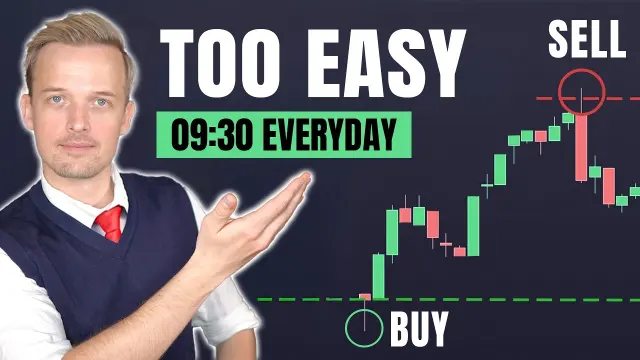
 Touch and Turn Scalping: Trading the Market Open Range
#Scalping Strategy
2 ideas
Touch and Turn Scalping: Trading the Market Open Range
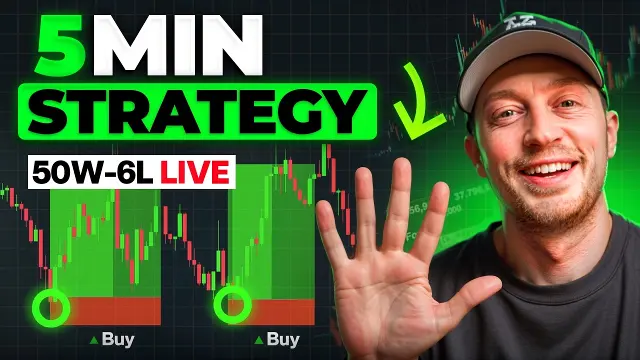 One Five-Minute Scalping Strategy for Everyday Trading
Get new #Scalping Strategy ideas by email
Every Thursday: the week's best ideas, with the newest from #Scalping Strategy.
Related tags
Scalping Strategy: A Beginner's Guide to Fast Trading
Scalping is a trading style built on very short positions. Instead of holding a trade for days or weeks and waiting for a large move, a scalper opens and closes within seconds or minutes, aiming to capture a small slice of price movement and repeat that many times. The appeal is simple: small targets feel reachable, and a position that lasts a minute carries less exposure to overnight news. The trade-off is equally simple — every one of those trades pays costs, and the margin for error is thin.
Where it comes from
Scalping grew out of the culture of professional trading floors, where dealers made money on tiny price differences across a stream of transactions rather than on large directional bets. Electronic markets widened the field: anyone with a screen and a broker account can now trade intraday, and short timeframes have become a popular entry point for people learning to read price action.
The main approaches
Read more
Most scalping methods fall into a few broad families. Momentum or breakout scalping looks for a burst of activity pushing price past a level and tries to ride the first part of it. Reversal scalping does the opposite, looking for exhaustion at an extreme, often described as a touch-and-turn idea. Range scalping assumes price will bounce between two boundaries for a while and trades the edges. Some traders work from tape reading or order flow, watching how buyers and sellers behave in real time rather than relying on chart patterns alone.
Timeframes vary, but one-minute and five-minute charts are common, sometimes paired with a longer chart to judge direction. Many scalpers trade around the opening of a session, when volume and movement are at their highest.
What beginners should understand first
Costs come before profits. Spread, commissions and slippage are paid on every trade, so a strategy that looks profitable on a chart can lose money once execution is included. Test any idea on a demo account and record the costs honestly.
Liquidity matters. Thin markets widen spreads and fill orders worse; the instruments you scalp should be actively traded.
Risk control is the whole game. Decide in advance how much you are willing to lose on a single trade and in a session, and size positions so those limits mean something. Many people find that limiting the number of trades per day helps more than any indicator.
Speed is not the same as edge. Overtrading feels productive and usually is not; a journal showing entry, exit and reason for each trade will tell you more about your results than your memory will.
Finally, treat this as a skill built slowly. Scalping demands concentration, emotional steadiness and the ability to accept many small losses without chasing them. It is not suitable for everyone, and nothing about it guarantees a profit — start small, stay honest about your numbers, and be prepared to stop when the conditions are not in your favour.
#Scalping Strategy: frequently asked questions
What exactly is a scalping strategy?
It is an approach to trading that relies on very short-lived positions — opening and closing within moments rather than holding for days — to capture a small slice of price movement and repeat that pattern many times. The appeal is that small targets feel reachable and exposure to surprise news is brief, while the trade-off is that every single trade pays costs and leaves very little room for error.
What do I need before trying scalping?
Practically, you need an account with a broker, a charting screen, and enough understanding of price action to read short timeframes. More importantly, you need honest accounting: spreads, commissions and slippage are charged on each trade, so a demo account and a written record of costs will tell you more than a good-looking chart. Concentration and the emotional steadiness to accept many small losses are part of the toolkit too.
Which style of scalping should a beginner start with?
Most methods fall into a few families: momentum or breakout scalping that rides a burst past a level, reversal scalping that looks for exhaustion at an extreme, range scalping that trades the edges between two boundaries, and order-flow reading that watches buyers and sellers in real time. Which fits you depends on how you naturally read a chart, and many people try a simplified version of one idea on a demo account before mixing approaches.
How do scalpers keep costs and risk under control?
Costs come before profits, so experienced scalpers choose actively traded instruments where spreads stay tight and orders fill cleanly instead of thin markets where execution gets worse. They also fix in advance what a single trade and a whole session may lose, and size positions so those limits actually bite. Limiting how many trades are taken in a day often does more for results than any indicator.
What mistakes do people new to scalping make most often?
Overtrading is the classic one — constant activity feels productive but usually just multiplies costs, and speed is not the same as an edge. Others include testing an idea on a chart without including execution costs, trading illiquid instruments, and chasing losses instead of accepting them. A journal recording entry, exit and the reason for each trade exposes these patterns faster than memory does.
How do I know whether my scalping is actually improving?
Look at your journal rather than your recollections: a written record of entries, exits and reasons shows whether results come from a repeatable idea or from luck and mood. Progress in scalping tends to look like fewer, better-chosen trades and steadier handling of losses, not like bigger wins. It is a skill built slowly, and some people find after honest review that the style simply does not suit them.
Videos come from YouTube and posts from Instagram; titles and summaries are our own. All rights belong to their creators.