 Order Flow Explained Simply: Takers, Makers and Market Depth
#Day Trading
8 ideas
Order Flow Explained Simply: Takers, Makers and Market Depth
 How I Learned to Trust My Own Trading Strategy
 One Order Flow Strategy Traded Daily, Step by Step
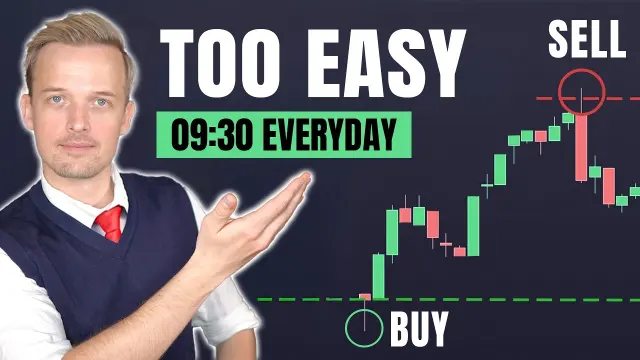 Touch and Turn Scalping: Trading the Market Open Range
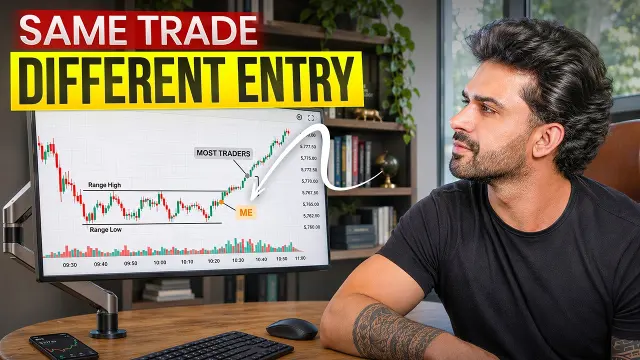 Opening Range Breakout Strategy: Entering Before the Break
 Learning Order Flow and Keeping Trade Setups Simple
 How Traders Actually Apply Order Flow in Practice
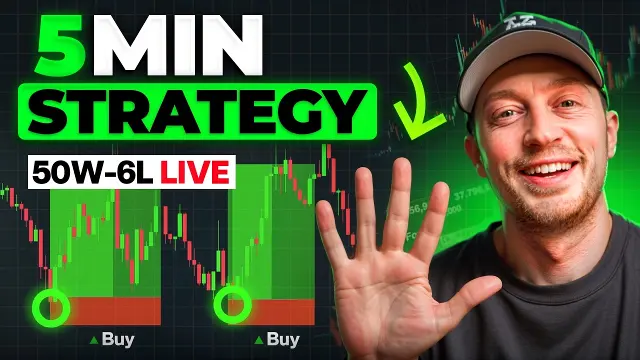 One Five-Minute Scalping Strategy for Everyday Trading
Get new #Day Trading ideas by email
Every Thursday: the week's best ideas, with the newest from #Day Trading.
Related tags
Day Trading: A Beginner's Guide to the Basics
Day trading is the practice of buying and selling financial instruments within a single trading session, so that nothing is held overnight. The goal is not to own anything for long, but to capture small moves in price and close the position before the market shuts. Because of that, day trading is less about picking "good companies" and more about timing, discipline and managing risk on every single trade.
Where it comes from
Trading in and out of positions quickly is as old as markets themselves, but day trading as a recognised activity grew alongside electronic trading. Once orders could be placed and filled instantly from a screen, the trading floor stopped being a requirement, and anyone with a platform and a connection could take part. The internet turned it into something you can do from a desk at home, which is both the appeal and the problem.
What people trade
Read more
You will find day traders in almost every liquid market: individual shares, index futures, currencies, and more recently cryptocurrencies. The common thread is liquidity and volatility — enough movement to make a trade worthwhile, and enough volume that you can get in and out when you want to.
Main styles
- Scalping: many very short trades, lasting seconds to minutes, aiming for tiny gains each time.
- Momentum trading: following a market that is already moving strongly in one direction.
- Breakout trading: entering when a price pushes past a level where it has previously stalled.
- Range trading: buying near the bottom of a sideways range and selling near the top.
- News-based trading: reacting to announcements, earnings or economic releases.
Most traders eventually settle on one or two approaches and practise them rather than jumping between everything.
What beginners should know
The mechanics are easy to learn; the discipline is not. Before risking anything, get comfortable with your platform, understand order types such as market, limit and stop orders, and know exactly how much a single trade can cost you if it goes wrong. Position sizing — deciding how much to put on each trade — matters far more than picking the perfect entry.
Two other things deserve honesty. First, day trading is a zero-sum game in the short term: for you to profit, someone else has to lose, and your counterparties are often professionals with faster tools. Second, the costs add up. Commissions, spreads and slippage quietly eat into results, and they matter most precisely when your edges are small.
Practical habits
Keep a written record of every trade, including why you took it and how you felt. Set a daily loss limit and stop when you hit it, rather than trying to win it back. Trade a small, fixed size while you are learning. Step away from the screen after a bad session — fatigue is a risk factor, not a badge of commitment. And treat any money you put in as money you can afford to lose, because that is genuinely what it is.
Day trading rewards patience and consistency far more than excitement. If you enjoy the puzzle, learn the rules of the game properly before you play it with real money.
#Day Trading: frequently asked questions
How do I get started with day trading as a beginner?
Start by learning how your trading platform works and practicing with order types before risking real money. It also helps to focus on one simple approach first, keep your trades small, and review every decision so you can learn from it.
What do I need before I can begin day trading?
You need a trading platform, a stable internet connection, and a clear understanding of how to enter and exit trades. Just as important are a plan for risk, a record of your trades, and enough discipline to stop when your limit is reached.
Which day trading style is best for someone new?
Many beginners do better with one straightforward style instead of switching between several approaches. Strategies that are easy to define, such as trading a clear breakout or a simple range, can be easier to follow than fast, constant trading.
How do I avoid common mistakes in day trading?
A common mistake is chasing trades without a plan or trying to recover losses quickly. Another is ignoring trading costs, which can quietly reduce results when your gains are small, so it is better to stay selective and disciplined.
What habits help day traders stay consistent?
Keeping a written log of each trade helps you notice what works and what does not. It also helps to pause after a difficult session, because fatigue and emotion can lead to poor decisions.
Videos come from YouTube and posts from Instagram; titles and summaries are our own. All rights belong to their creators.