 Four-Day Scotland Road Trip: Edinburgh, Cairngorms and Glencoe
#Scotland
10 ideas
Four-Day Scotland Road Trip: Edinburgh, Cairngorms and Glencoe
 Life in Scotland: Landscapes, Culture and History Explored
 An American's Honest Look at Moving to Scotland
 Ten-Day Scotland Road Trip Itinerary: Castles and Coastlines
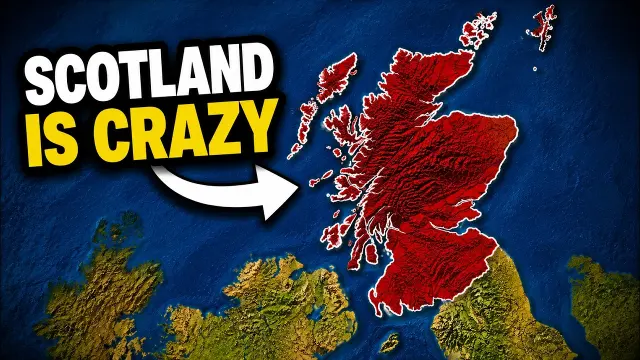 25 Surprising Scotland Facts About Geography and History
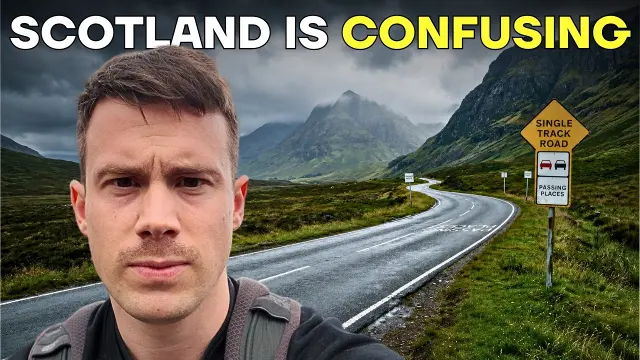 Scotland Travel Tips From a Former Local Guide
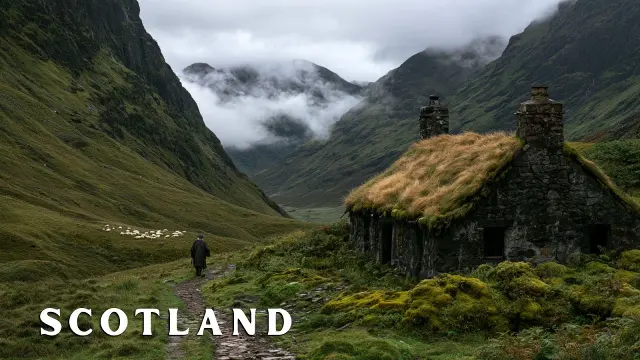 Scotland in 4K: Highlands, Skye, Loch Ness and Glencoe
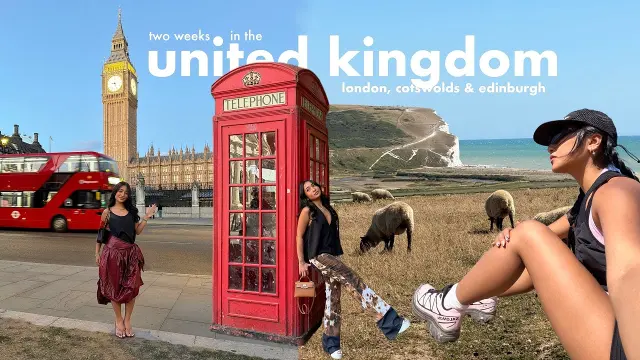 UK Travel Diary: Two Weeks in London, Cotswolds and Edinburgh
 Relaxing ASMR Road Trip Through the Scottish Highlands
Get new #Scotland ideas by email
Every Thursday: the week's best ideas, with the newest from #Scotland.
Related tags
Scotland: A Guide to Landscape, Culture and Character
Scotland covers the northern third of Great Britain and is one of the four nations of the United Kingdom, wrapped in sea on three sides and scattered with several hundred islands. It is a small country on the map that behaves like a much larger one on the ground, which is exactly why people keep coming back to it.
Land, water and weather
The country divides roughly into the Highlands and Islands to the north and west, and the Lowlands to the south and east, with a belt of fertile ground running between them. Mountains rise above the sea lochs, rivers cut glens through the hills, and more than eight hundred islands lie offshore, from the Inner and Outer Hebrides to Orkney and Shetland in the far north.
Weather is the thing to plan around rather than complain about. It changes quickly, often several times in a day, and rain is possible in any month. Daylight swings dramatically across the year: long, pale evenings in midsummer, short afternoons in winter.
Read more
Cities with distinct characters
Edinburgh pairs a medieval Old Town with a Georgian New Town, both easily walked, with a castle on the rock above. Glasgow carries its industrial past into a lively present of music venues, galleries and unusual architecture. Aberdeen is built of pale granite, Dundee sits on a river estuary with a strong design streak, and Stirling holds one of the country's most storied castles.
Culture and language
Scotland has three languages in play: English, Scots, and Scottish Gaelic, which is still spoken in parts of the Hebrides and the west. Tartan, kilts and bagpipes are the famous shorthand, but the deeper culture lives in storytelling, folk song, ceilidh dancing, poetry and a long tradition of invention and emigration. Whisky distilling is spread across several recognised regions, each with its own character; visiting a distillery is as much about the place as the drink.
Outdoors, and how to enjoy it
Walking is the main attraction for many visitors. The mountains known as Munros are those above a certain height, and "bagging" them is a national pastime. Paths range from gentle coastal walks to serious ridges, so match your route to your experience and turn back when the weather closes in. Scottish access rights are generous, but they come with a duty to respect land, livestock and wildlife.
Practical notes for a first visit
- Pack layers and a waterproof rather than an umbrella; wind makes rain gear far more useful.
- Distances on the map mislead. Single-track roads take time, and you will need to use passing places.
- Book ferries and popular accommodation well ahead, especially on the islands.
- Midges are small biting insects that favour still, damp summer evenings near water; a repellent and a breeze help.
- Food is hearty and local: seafood, beef, porridge, shortbread and haggis all earn their place.
Above all, leave room in the plan. The best moments in Scotland tend to arrive unannounced, somewhere between a viewpoint and a cup of tea.
#Scotland: frequently asked questions
What should I pack for a trip to Scotland?
Pack layers, a waterproof outer layer, and sturdy shoes, because the weather can change quickly and wind makes umbrellas less useful. It also helps to bring something for damp evenings, especially if you plan to be near the coast, lochs, or islands.
What parts of Scotland should I choose for my first visit?
If you want easy sightseeing and historic streets, the cities can be a great starting point, especially places with walkable centers and strong local character. If you are drawn to scenery, the Highlands, islands, and west coast offer dramatic landscapes, while the Lowlands are often better for gentler travel and shorter drives.
How do I plan a road trip in Scotland without getting caught out?
Leave more time than you think you need, because roads can be slower than they look on a map and single-track roads require patience and passing places. It is also wise to book ferries and popular stays early, especially if your route includes islands or remote areas.
What is the best way to enjoy the Scottish outdoors safely?
Choose walks that match your experience and the weather, and be ready to turn back if conditions worsen. Scotland’s access culture is welcoming, but it also asks visitors to respect farmland, livestock, wildlife, and the places they pass through.
What are some classic things to experience in Scotland besides sightseeing?
Try local food, live music, folk dancing, or a distillery visit to get a feel for the culture beyond the famous symbols. The country’s character is as much about storytelling, community, and landscape as it is about castles and tartan.
Videos come from YouTube and posts from Instagram; titles and summaries are our own. All rights belong to their creators.