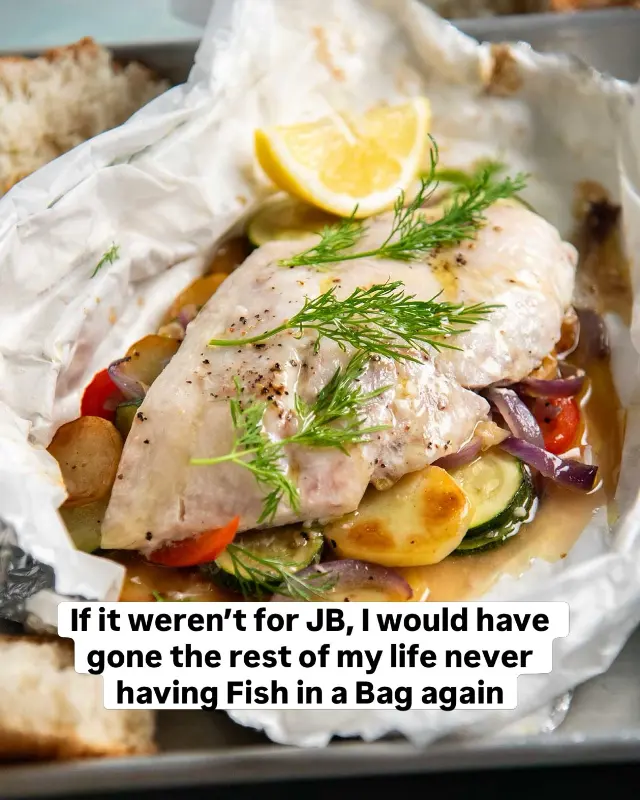
 Fish in a Bag with Potatoes and Vegetables
#Seafood
3 ideas
Fish in a Bag with Potatoes and Vegetables
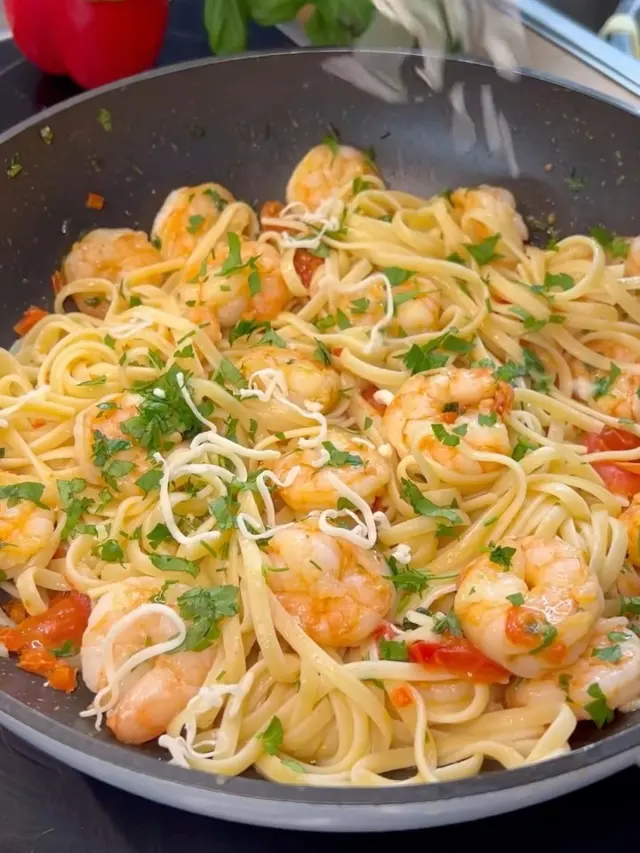 Creamy Lemon Shrimp Pasta Without Cream
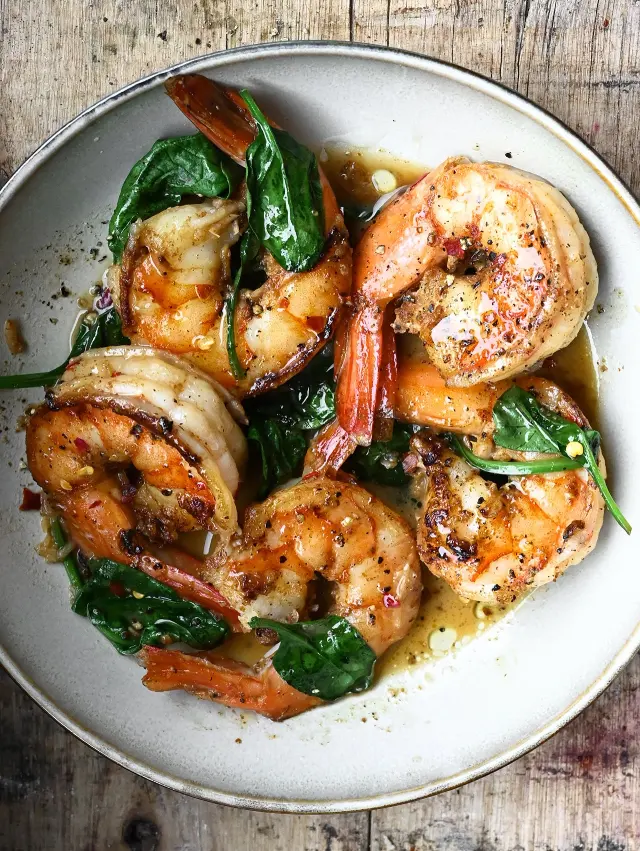 Quick Twenty-Minute Garlic Butter Shrimp Dinner
Get new #Seafood ideas by email
Every Thursday: the week's best ideas, with the newest from #Seafood.
Related tags
Seafood: a Practical Guide to Cooking It Well
Seafood is the broad name for edible creatures from the sea and other waters, especially fish, shellfish, and other marine foods. It has been part of many cuisines around the world for centuries, because it cooks quickly, offers a wide range of flavors, and can be prepared in simple or elaborate ways. Some people use the word mainly for fish and shellfish, while others include a wider group of aquatic foods.
What seafood includes
The most familiar kinds are fish, such as flaky white fish and richer oily fish, and shellfish, such as shrimp, crab, lobster, mussels, clams, and oysters. Some seafood is sold fresh, while some is frozen, canned, smoked, dried, or cured. Each form has its place in the kitchen. Fresh seafood is often prized for delicate texture, while frozen seafood can be a very practical choice when handled well.
Main ways to cook seafood
Read more
Seafood is usually best cooked gently. Because it can dry out quickly, many people prefer methods that preserve moisture and tenderness.
- Baking or roasting works well for whole fish and fillets.
- Steaming keeps the flesh delicate and clean-tasting.
- Poaching is useful for very tender results.
- Pan-frying gives a crisp surface and works especially well for fillets and shrimp.
- Grilling adds a smoky flavor, especially to firm fish.
- Simmering is common in soups, stews, chowders, and curries.
Seafood also appears in pasta dishes, pies, rice dishes, salads, and soups. It can be paired with lemon, herbs, garlic, butter, olive oil, tomatoes, spices, or creamy sauces, depending on the style of cooking.
What to know before you cook
If you are new to seafood, start with simple recipes and mild flavors. Choose pieces that look fresh and clean, with a pleasant smell rather than a strong fishy one. Fish flesh should look moist and spring back gently; shellfish should be handled carefully and stored cold.
It helps to avoid overcooking. Seafood often changes from tender to dry very quickly, so watch it closely. As a general rule, it is done when the flesh turns opaque and separates easily, though cooking times vary with thickness and method.
Practical tips
- Keep seafood cold until you are ready to cook it.
- Pat it dry before seasoning, especially if you want browning.
- Use a hot pan for quick cooking, but do not crowd the pan.
- Season simply at first so the natural flavor can come through.
- Add acidic ingredients, like lemon or vinegar, near the end for brightness.
- For shellfish, discard any that remain closed after cooking, if your recipe calls for open shells.
A simple way to think about seafood
Seafood works beautifully when you match the cooking method to the type of ingredient. Delicate fish like gentle heat, while firmer fish and shellfish can handle stronger flavors and quicker cooking. If you are unsure, keep it simple: good seasoning, careful timing, and a fresh ingredient are often enough for a satisfying meal.
Videos come from YouTube and posts from Instagram; titles and summaries are our own. All rights belong to their creators.