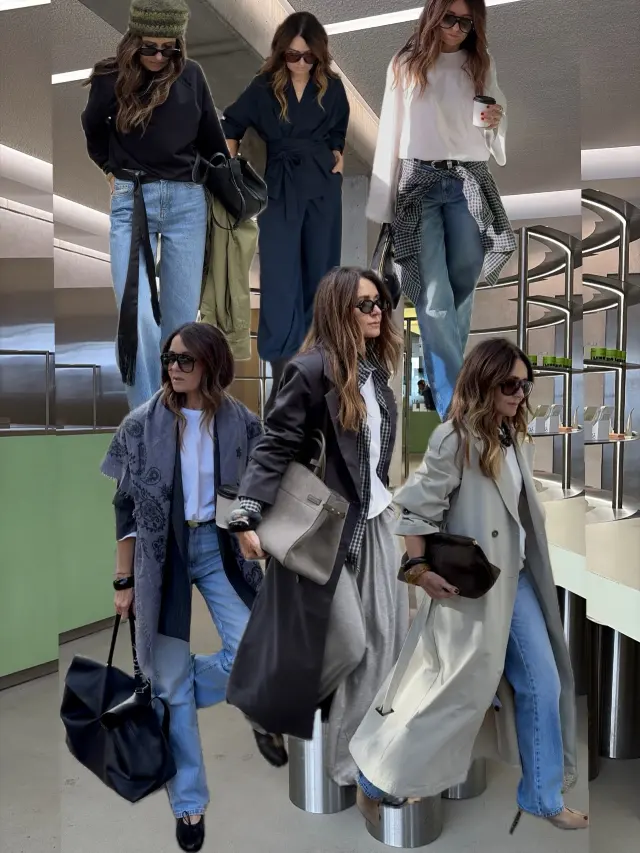
 Recent fall outfit rotations and transitional weather styling
#Seasonal Style
2 ideas
Recent fall outfit rotations and transitional weather styling
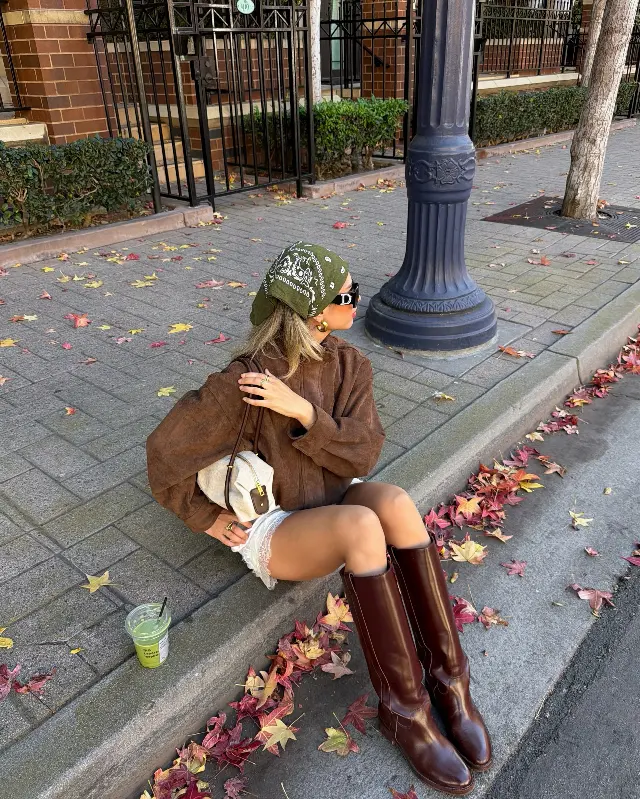 Seasonal autumn dressing and transitional layers
Get new #Seasonal Style ideas by email
Every Thursday: the week's best ideas, with the newest from #Seasonal Style.
Related tags
Seasonal Style: Dressing Well Through the Year
Seasonal style is the art of dressing in a way that suits the weather, the light, and the mood of the time of year. It is not just about changing clothes when the temperature changes. It is about choosing fabrics, layers, colors, and silhouettes that feel appropriate and comfortable in each season, while still reflecting your personal style.
What seasonal style means
For a long time, clothing has been shaped by climate and daily life. People dressed differently for warmth, protection, and practicality, and over time those needs also influenced fashion. Today, seasonal style still follows that same logic, but with more freedom. You can think of it as a flexible wardrobe that shifts from lighter, airier pieces in warmer months to cozier, more insulating pieces in colder ones.
A good seasonal wardrobe usually includes a few reliable basics, a handful of layered pieces, and clothes that can move easily between different temperatures.
Read more
The main seasonal approaches
Each season suggests different materials and proportions.
- Spring style often feels lighter and more adaptable, with thin layers, soft knits, and transitional jackets.
- Summer style usually favors breathable fabrics, simple silhouettes, and outfits that stay comfortable in heat.
- Autumn style often brings richer textures, deeper colors, and layered combinations.
- Winter style tends to focus on warmth, structure, and insulating pieces that can still look polished.
You do not need to follow these categories rigidly. Many of the best outfits combine pieces from different seasons, especially during transitional weather.
What beginners should know
If you are building a seasonal wardrobe, start with versatility. Choose items that can be worn in more than one way and that work with several other pieces you already own. This makes it easier to adjust your outfits without constantly buying new clothes.
It also helps to pay attention to fabric. Natural-feeling, breathable materials can be useful when it is warm, while denser or textured fabrics often work better when it is cooler. Layering is one of the most practical tools in seasonal dressing, because it lets you add or remove warmth as needed.
Practical tips for seasonal dressing
- Build outfits around one base layer, one mid-layer, and one outer layer when needed.
- Keep a few neutral pieces that transition easily between seasons.
- Use color to reflect the season if you enjoy that, but do not feel limited by it.
- Pay attention to footwear, because shoes can make an outfit feel seasonal very quickly.
- Store off-season clothes neatly so that you can see what you already own.
- In uncertain weather, choose pieces that work both indoors and outdoors.
Finding your own seasonal style
Seasonal style works best when it feels natural. Some people prefer soft and romantic looks, while others lean toward tailored, casual, minimal, or layered outfits. The key is to notice what feels comfortable, practical, and flattering as the weather changes.
If you focus on fit, fabric, and flexibility, you can create a wardrobe that feels fresh in every season without losing your sense of self.
Videos come from YouTube and posts from Instagram; titles and summaries are our own. All rights belong to their creators.