 Traditional Christmas Decor Ideas for Small Spaces
#Seasonal Styling
4 ideas
Traditional Christmas Decor Ideas for Small Spaces
 Luxury Modern Fall Family Room Decorating Ideas
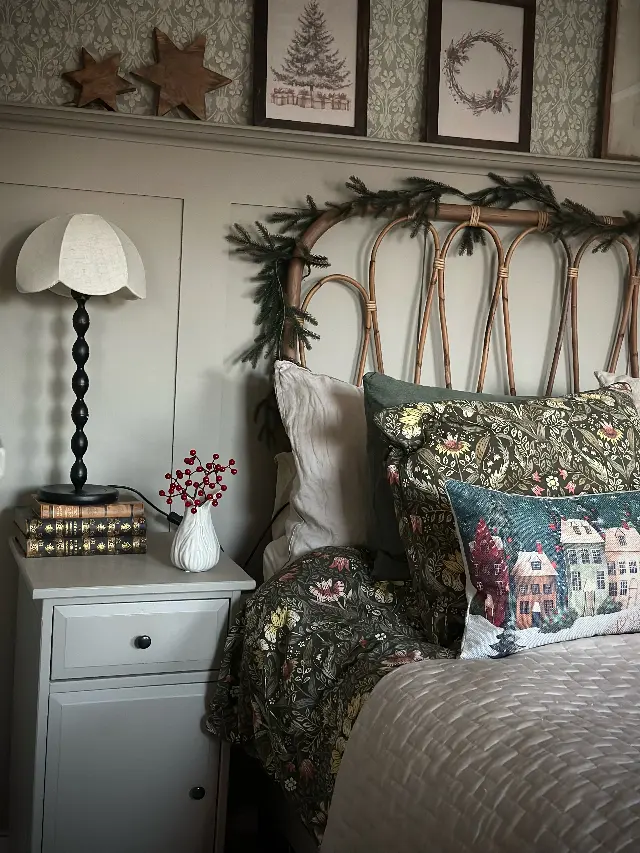 Christmas bedroom styling in shades of green with a touch of red
 Timeless Spring Decor Ideas You Can Reuse Every Year
Get new #Seasonal Styling ideas by email
Every Thursday: the week's best ideas, with the newest from #Seasonal Styling.
Related tags
Seasonal Styling: A Guide to Decorating Your Home Through the Year
Seasonal styling is the practice of adjusting a room's decoration to reflect the time of year — the light, the weather, the traditions that come around again. It is an old idea dressed in modern clothes: homes have always marked harvests, festivals and the turning of the year with what was brought indoors, whether a bundle of dried wheat, a branch of blossom or a fir wreath on the door. What makes it a style rather than a habit is the intention behind it. Instead of buying a new look each time the calendar shifts, you build a small, reusable collection and change how it appears.
Why it works
Rooms feel different when the outside world changes. Winter light is low and blue, summer light is bright and warm, and the objects that suit one often look thin in the other. Seasonal styling answers that by shifting colour, texture and weight in small increments. It also gives you something to look forward to, and a natural rhythm for editing — nothing stays out so long that you stop seeing it.
The four anchors
Read more
Most seasonal schemes are built from four things: a palette, a natural element, a textile and a light source. In spring, that might be soft greens, cut blossom, washed linen and brighter evenings left unlit. Summer leans to white and faded blues, stoneware, cotton and candles used outdoors. Autumn brings ochre, branches and seed heads, wool, and warmer pools of light. Winter prefers deep greens and berry reds, evergreens, velvet and plenty of candlelight. You do not need all four in every room; one or two carried through the house is usually enough to make the change readable.
Work with what you own
The most useful discipline is restraint. Choose a base palette you keep all year — walls, large furniture, rugs — and let the seasonal layer live in the smaller things: cushions, throws, vases, table linen, a bowl of fruit, a few stems. This keeps costs low and stops a room from feeling like a shop display. Holiday decorating works best when it borrows the room's existing colours rather than fighting them; a Christmas scheme in greens with a little red settles into a green room far more easily than one that arrives in entirely new shades.
Practical tips for beginners
- Start with one room, usually the one you use most, and leave the rest alone.
- Store each season's pieces together, labelled, so swapping in and out takes minutes.
- Buy neutral containers and textiles once; change what goes inside them.
- Let nature do the work — branches, dried grasses, pinecones, seasonal fruit — but check what is safe around children and pets.
- Photograph a scheme you like before you pack it away, so you can rebuild it next year without guesswork.
- Edit as you go: if something has not come out of storage for two years, it can go.
Done well, seasonal styling is less about decorating and more about noticing — the shift in light, the first cold morning, the lengthening evenings — and letting your home follow a little behind.
#Seasonal Styling: frequently asked questions
How do I start seasonal styling in my home?
Begin with one room and work with the pieces you already own instead of trying to redo everything at once. Choose a few reusable items such as cushions, throws, vases, or table linens, then swap them to reflect the season.
What do I need for seasonal styling?
A simple seasonal scheme usually uses a small mix of colour, texture, a natural element, and a light source. You do not need to buy a full new set of decor; a base palette and a few changeable accents are often enough.
Which seasonal style should I choose for my space?
Pick the season that best matches the feeling you want in the room and the light it gets. Soft greens and blossoms work well for spring, lighter fabrics suit summer, warm earthy tones fit autumn, and deep greens or berry shades feel right for winter.
How can I make seasonal decor look balanced instead of cluttered?
Use your room’s existing colours as the foundation and add seasonal touches that complement them. Keeping the changes small and repeating a few colours or materials helps the room feel intentional rather than overdone.
What are some common mistakes people make with seasonal styling?
A common mistake is buying too many new items and ignoring what already works in the room. Another is letting decorations stay out so long that they stop feeling fresh, or choosing pieces that clash with the room’s base colours.
Videos come from YouTube and posts from Instagram; titles and summaries are our own. All rights belong to their creators.