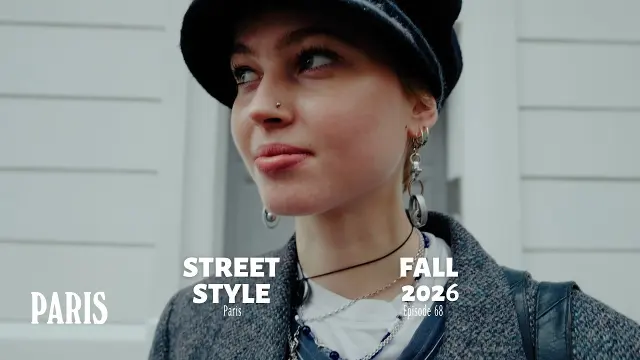
 What People Are Wearing in Paris This Fall: Street Style
#Secondhand Fashion
2 ideas
What People Are Wearing in Paris This Fall: Street Style
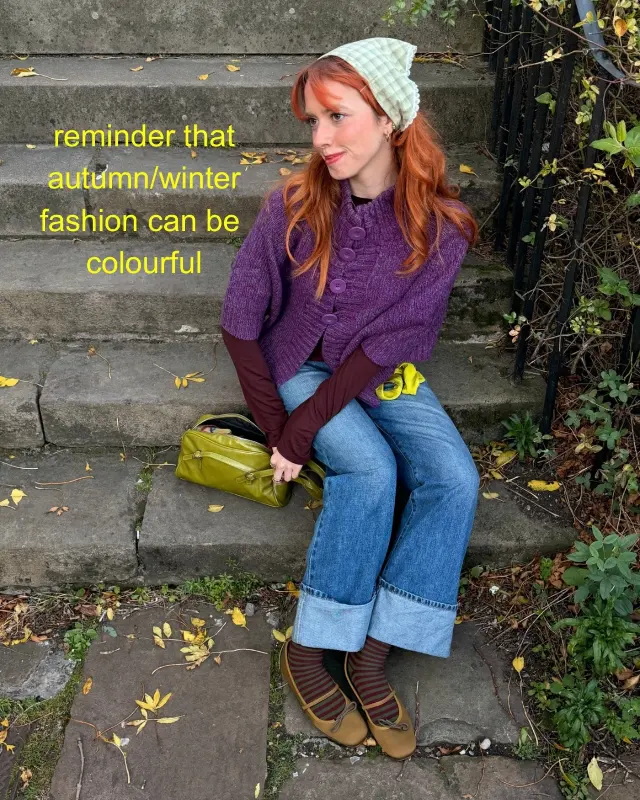 Styling Colourful Secondhand Clothes for a Bright Everyday Look
Get new #Secondhand Fashion ideas by email
Every Thursday: the week's best ideas, with the newest from #Secondhand Fashion.
Related tags
Secondhand Fashion: A Beginner's Guide to Pre-Loved Style
Secondhand fashion means clothing that has already been owned and worn by someone else, and is now passed on rather than newly made. It is not one thing: it covers a jacket from a charity shop, a dress found at a flea market, a coat inherited from a grandparent, a pair of boots bought through an online resale listing, and a vintage piece from decades past. What these share is a second life, and usually a much smaller price than the same garment would cost new.
The habit is old. Wearing handed-down and repaired clothing was ordinary long before cheap new clothes became the norm, and it never disappeared — it simply acquired different names depending on where you live and what you are buying. Vintage usually refers to pieces old enough to be of a distinct era and worth choosing for their design; resale and consignment describe clothes from recent years that circulate through shops, fairs and apps; swapping and clothing exchanges move garments between people directly, without money changing hands.
The main kinds of secondhand shopping
- Charity and thrift shops: unpredictable, cheap, and good for everyday basics, knitwear, coats and home textiles. You have to go often to find anything, which is part of the appeal.
- Vintage shops and fairs: curated and better organised by era and size, with prices to match. Ask what decade a piece is from and whether it has been altered.
- Consignment and resale: clothes sold on behalf of their previous owner, often higher-end and in good condition.
- Online resale and swapping: the widest choice and the hardest to judge, because you cannot touch the fabric. Read measurements rather than trusting the label size, and ask questions before buying.
- Inherited and family clothing: the least wasteful option of all, and often the best made.
Read more
What to look for before you commit
Turn the garment over in your hands. Check the underarms, collar and cuffs for wear, and the seams and hems for splits. Look at the elbows of knitwear and the seat of trousers — these thin first. Test zips and buttons, and make sure nothing is missing. Read the fibre label: natural fibres such as wool, linen and cotton tend to age well and can be repaired, while some synthetics pill or hold odours. Stains, moth holes and missing buttons are often fixable, but price the repair mentally before deciding.
Sizing, fit and alteration
Labels vary wildly between eras and countries, so ignore the number and measure yourself once, then compare. A good secondhand buy usually needs a small adjustment — a shortened hem, a taken-in waist — so it helps to know a reliable tailor. Anything that fits well at the shoulders or the bust is worth considering, since those are the hardest parts to change.
Caring for what you bring home
Wash or air garments according to their fibre, and be gentle with anything old or delicate. Learn one or two basic repairs: sewing on a button, closing a seam, darning a small hole. Store knitwear folded rather than hung, and keep anything wool clean before putting it away.
Styling pre-loved clothes
Secondhand pieces rarely come in matching sets, so build around a simple base of plain trousers, jeans or a skirt, and let one distinctive garment lead. Colour, texture and print do the work. Try things on that you would not normally choose — the low cost of secondhand is an invitation to experiment with your style.
#Secondhand Fashion: frequently asked questions
How do I start shopping secondhand if I've never done it before?
Start small and local: a charity shop or flea market lets you handle garments and learn what quality feels like without much risk. Go in with an open mind rather than a specific item in mind, since stock changes constantly and the best finds are rarely planned. Once you know your measurements and what suits you, move on to online resale, where the choice is much wider.
What should I check before buying a secondhand garment?
Look closely at the places that wear out first, such as underarms, cuffs, collars, elbows and the seat of trousers, and check seams and hems for splits. Test the fastenings and read the fibre label, because wool, linen and cotton tend to age better and can be repaired. If something needs fixing, decide whether you are willing to do it or pay for it before you commit.
Which kind of secondhand shopping is best for me?
It depends on how much time and budget you have: thrift and charity shops are cheap and good for everyday basics but demand patience and repeated visits. Vintage shops and fairs are curated and easier to navigate, while consignment suits anyone looking for higher-quality pieces in good condition. Online resale offers the widest selection but requires careful reading of measurements and asking sellers questions.
How do I get the sizing right when labels vary so much?
Ignore the number on the label and measure yourself once, then compare those measurements with the garment's actual ones. Shoulders and bust are the hardest areas to alter, so prioritise a good fit there and treat the rest as adjustable. Building a relationship with a reliable tailor makes a big difference, since most secondhand buys need a small tweak.
How should I care for secondhand clothes once I bring them home?
Wash or air each piece according to its fibre, and be especially gentle with anything old or delicate. Learn a couple of basic repairs such as sewing on a button, closing a seam or darning a small hole, which keeps garments wearable for years. Store knitwear folded rather than hung, and make sure wool is clean before it goes away.
How do I style secondhand pieces that don't match anything else?
Build each outfit around a simple base of plain trousers, jeans or a skirt and let a single distinctive garment lead. Colour, texture and pattern carry the look, so you don't need matching sets to pull it together. Use the low cost as permission to try silhouettes and colours you would normally skip.
Videos come from YouTube and posts from Instagram; titles and summaries are our own. All rights belong to their creators.