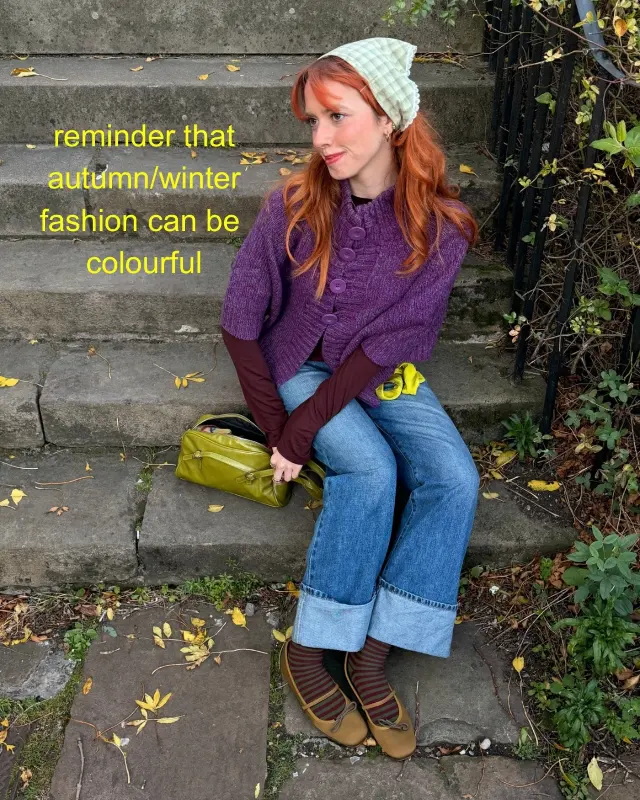
 Styling Colourful Secondhand Clothes for a Bright Everyday Look
#Thrift Style
1 ideas
Styling Colourful Secondhand Clothes for a Bright Everyday Look
Get new #Thrift Style ideas by email
Every Thursday: the week's best ideas, with the newest from #Thrift Style.
Related tags
Thrift Style: A Guide to Building a Secondhand Wardrobe
Thrift style is the practice of dressing from secondhand clothing: garments that someone else has worn, donated, resold or passed on. It sits somewhere between a shopping habit and a way of thinking about clothes, and it has existed far longer than the phrase itself. Before mass manufacturing made new clothing cheap, most wardrobes were built from hand-me-downs, market stalls, tailoring and repair. What we now call thrift style is partly a return to that older logic and partly a reaction against disposable fashion.
Why people are drawn to it
The appeal is rarely just price, although cost matters. Secondhand shopping offers things the high street cannot: older cuts, natural fabrics, unusual prints, and the quiet pleasure of finding something nobody else is wearing. It also asks less of the planet than buying new, since a garment already made needs no further resources to produce. And for many people it is simply more interesting, because a thrift wardrobe is assembled rather than bought in one go.
The main approaches
Read more
Thrift style is not a single look. Some people dress in a distinctly vintage register, drawn to mid-century silhouettes or decades past. Others use secondhand as a supply of basics and layer them with new pieces. A third approach is close to capsule dressing: a small rotation of well-chosen secondhand garments that all work together. Charity shops, car boot sales, flea markets, swap events and online resale all produce different results, and it is worth trying several to see which suits you.
What beginners should know
Start with a list of gaps in your wardrobe rather than browsing without purpose; it keeps you focused and prevents impulse buys. Check seams, underarms, cuffs and hems for wear, and look at the fibre label: natural materials tend to age better and can be repaired. Try things on where you can, or measure a garment you already own and carry those numbers with you for online purchases. Learn the difference between a flaw you can fix, such as a loose button or a missing hem stitch, and one you cannot.
Practical habits
Wash secondhand clothes before wearing them, and read the care label first. Keep a small repair kit at home and learn a basic stitch, since the whole point of thrift is extending a garment's life. Alterations are often cheaper than they seem and can transform a garment that fits almost. Be honest about what you will actually wear: a beautiful piece that needs three other things to work is usually a mistake.
A word on patience
Thrift style rewards time more than money. Some trips yield nothing, and that is normal. Over months, a wardrobe built this way tends to become more personal and more coherent than one bought quickly, because every piece has been chosen rather than accepted.
#Thrift Style: frequently asked questions
How do I start building a thrift style wardrobe without getting overwhelmed?
Begin by making a list of the actual gaps in your wardrobe instead of browsing with no goal in mind, which keeps you focused and stops impulse buys. Try a few different sources — charity shops, flea markets, swap events, online resale — since each one produces a different kind of result. Expect some trips to yield nothing; that is a normal part of the process, not a failure.
What should I inspect on a secondhand garment before buying it?
Check the seams, underarms, cuffs and hems for signs of wear, and read the fibre label, because natural materials usually age better and can be repaired. Learn to tell a flaw you can fix, like a loose button or a missing hem stitch, from one you cannot. If you are shopping online, measure a garment you already own and keep those numbers with you.
Which approach to thrift style suits a beginner best?
Thrift style is not one single look, so there is no wrong starting point — some people go for a distinctly vintage register, others simply use secondhand as a supply of basics to layer with what they already own. A small capsule-style rotation of well-chosen secondhand pieces that all work together is often the easiest place to begin. Try more than one approach and see which one you actually enjoy wearing.
How should I care for secondhand clothes once I get them home?
Wash everything before wearing it, but read the care label first so you do not ruin a delicate piece. Keep a small repair kit at home and learn a basic stitch, since extending a garment's life is really the whole point of buying secondhand. Simple alterations can also transform something that fits almost but not quite.
Can thrift style work for a special occasion, or is it only for everyday wear?
Secondhand wardrobes handle occasions well precisely because older cuts, natural fabrics and unusual prints are hard to find on the high street — a colourful secondhand outfit can read as bright and deliberate for a celebration rather than as dressed-down. The key is choosing pieces you can style into one coherent look rather than a single statement item that needs three other things to work. Being honest about what you will actually wear matters more than the occasion itself.
What are the most common mistakes people make with thrift style?
Buying a beautiful piece that requires several other things to work is the classic error, along with browsing without a plan and ending up with clothes that do not fit your real life. Another is ignoring the fibre label and the seams until damage shows up later. Patience is the fix for most of it: thrift style rewards time more than money, and the wardrobe gets more personal the longer you build it.
Videos come from YouTube and posts from Instagram; titles and summaries are our own. All rights belong to their creators.