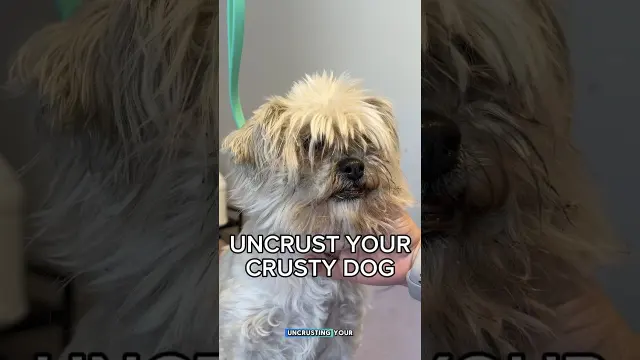
 Cleaning and Grooming a Senior Dog
#Senior Dog
1 ideas
Cleaning and Grooming a Senior Dog
Get new #Senior Dog ideas by email
Every Thursday: the week's best ideas, with the newest from #Senior Dog.
Related tags
Caring for a Senior Dog
What a senior dog needs
A senior dog is an older dog whose body and habits are beginning to change with age. The exact age at which a dog becomes senior depends on size, breed, and overall health. Smaller dogs often stay active for longer, while larger dogs may show signs of aging earlier. A senior dog is not necessarily ill, but it may need a little more patience, routine, and comfort.
Older dogs often slow down, sleep more, or move with less ease. You may notice stiffness, less interest in long walks, changes in hearing or sight, or a different appetite. These changes can be part of normal aging, but they are also a good reason to pay close attention to your dog’s comfort and behavior.
Daily care and comfort
Read more
The best care for a senior dog is usually calm, consistent, and practical. Keep feeding times, walks, and rest periods as regular as possible. Many older dogs feel more secure with a steady routine.
Make home life easier by reducing the need to jump, climb, or slip. A comfortable bed with good support can help an older dog rest well. If floors are slippery, rugs or runners can give extra grip. Easy access to food, water, and a favorite resting place can also make a big difference.
If your dog seems less steady, it may help to keep important spaces uncluttered. Small changes in the home can prevent strain and make daily life less tiring.
Exercise and mental stimulation
A senior dog still benefits from movement. Gentle, regular exercise can help keep muscles active and joints from stiffening too much. Shorter walks are often better than one long outing, especially if your dog tires easily. Let your dog set the pace and watch for signs of fatigue.
Mental stimulation matters as well. Simple games, sniffing time, quiet training, or familiar toys can keep an older dog engaged without overwhelming it. For many senior dogs, sniffing and exploring are as valuable as fast activity.
Feeding and grooming
Older dogs may need food that suits their changing activity level and body condition. If your dog’s appetite, weight, or digestion changes, it is wise to ask a veterinarian for guidance. Fresh water should always be available.
Grooming becomes especially important with age. Brushing helps keep the coat clean and lets you notice lumps, sore spots, or skin changes early. Nails may need regular trimming, since an older dog may wear them down less naturally. Check ears, eyes, and teeth gently as part of routine care.
When to seek advice
It is important to pay attention to new or worsening changes, such as limping, coughing, confusion, accidents in the house, loss of appetite, or noticeable pain. A senior dog may need more frequent health checks than a younger one, even if it seems generally well.
The kindest approach is to stay observant and make small adjustments before problems become larger. With patience, comfort, and regular care, many senior dogs continue to enjoy a peaceful and happy life close to you.
Videos come from YouTube and posts from Instagram; titles and summaries are our own. All rights belong to their creators.