 Adopting a Dog Returned to the Shelter Three Times
#Shelter Dog
2 ideas
Adopting a Dog Returned to the Shelter Three Times
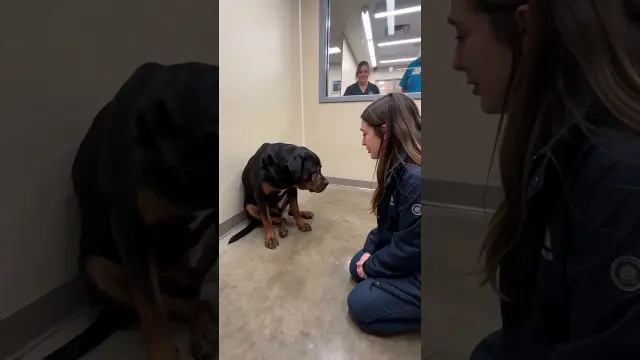 Scared Shelter Dog Slowly Learns to Trust Caretaker
Get new #Shelter Dog ideas by email
Every Thursday: the week's best ideas, with the newest from #Shelter Dog.
Related tags
Shelter Dogs: What to Know Before Adopting
What a shelter dog is
A shelter dog is a dog living in an animal shelter, rescue center, or other temporary care setting while waiting for a permanent home. Shelter dogs come from many backgrounds. Some are lost, some have been surrendered by previous owners, and some were rescued from neglect or other difficult situations. Because of that, each dog arrives with its own history, temperament, and needs.
Adopting a shelter dog can be deeply rewarding, but it helps to understand that the first days and weeks may involve adjustment. A dog may be calm, shy, excited, cautious, or unsure. That reaction is normal. Like people, dogs need time to feel safe and to learn the routines of a new home.
Common personalities and backgrounds
Read more
Shelter dogs are not one type of dog. They may be puppies, adults, or senior dogs, and they can vary widely in size, energy, and training. Some have lived in homes before and already know basic routines. Others may need help learning how to walk on a leash, relax indoors, or get along with other pets.
A dog’s behavior in a shelter does not always show how they will behave once settled. Stress can make a dog seem quiet, overactive, or withdrawn. If you are considering adoption, ask the shelter staff about the dog’s behavior around people, children, other dogs, and daily handling. That can help you choose a good match for your lifestyle.
Helping a shelter dog settle in
The most important thing you can give a shelter dog is patience. A calm routine helps dogs feel secure. Try to keep feeding, walking, and bedtime consistent. Give the dog a quiet place to rest where they will not be overwhelmed by too many visitors or loud noises.
It is usually best to introduce new things gradually:
- Let the dog explore one room or one part of the home first.
- Keep initial social contact gentle and low-key.
- Use short, positive training sessions rather than long ones.
- Offer predictable meals, walks, and bathroom breaks.
If the dog seems nervous, avoid forcing interaction. Let trust build at the dog’s pace. Small successes, like taking a treat or coming closer on their own, are meaningful steps.
Training and care basics
Many shelter dogs benefit from simple, positive reinforcement training. Reward the behavior you want with praise, treats, or play. This helps the dog understand what is expected without fear or confusion. Basic skills such as house training, leash walking, and coming when called can be taught slowly and patiently.
Regular exercise, mental stimulation, and routine care are important for a dog’s well-being. Depending on the dog’s age and background, they may need time to adjust to grooming, being touched, or meeting new people. Gentle handling and consistency usually help.
Before you adopt
Before bringing a shelter dog home, think about your time, space, and energy. A dog needs daily care, companionship, and ongoing commitment. It is also wise to ask about the dog’s health history, feeding habits, and any known sensitivities.
A shelter dog may need understanding more than perfection. With patience, stability, and kindness, many dogs grow into trusting companions and settle beautifully into family life.
Videos come from YouTube and posts from Instagram; titles and summaries are our own. All rights belong to their creators.