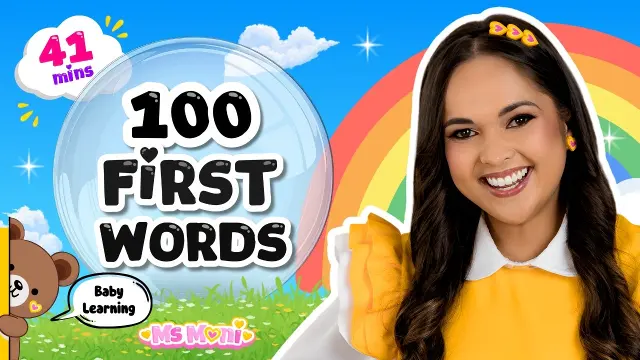
 Baby Learning and 100 First Words with Ms Moni
#Sign Language
2 ideas
Baby Learning and 100 First Words with Ms Moni
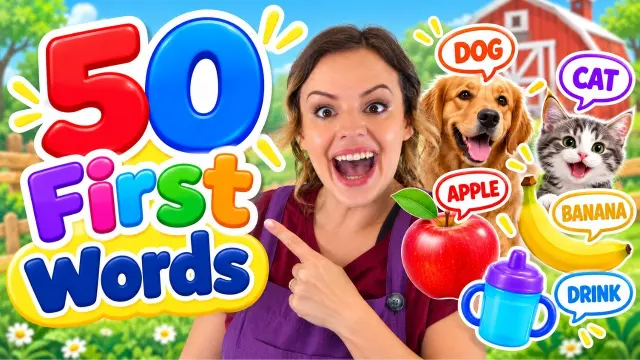 Fifty First Words and Gestures for Babies and Toddlers
Get new #Sign Language ideas by email
Every Thursday: the week's best ideas, with the newest from #Sign Language.
Related tags
Sign Language Basics and Everyday Use
Sign language is a complete language that uses hand shapes, movements, facial expressions, and body language to communicate. It is used by deaf and hard-of-hearing people, by families and caregivers, and by anyone who wants a visual way to support understanding and connection. Different communities around the world use different sign languages, and each one has its own grammar and vocabulary. Sign language is not a universal system, and it is more than a set of gestures or mime.
What sign language is
A sign language is a natural language with its own rules. That means word order, expression, and meaning may work differently from spoken languages. Along with the hands, the face and body are important too. A raised eyebrow, a head tilt, or a change in movement can change a statement into a question, add emphasis, or show emotion.
Sign language is often confused with simple hand signals, but it is much richer than that. Some signs have direct visual links to the idea they represent, while others are more abstract and must be learned. Like spoken languages, sign languages can express everyday conversation, storytelling, jokes, opinions, and detailed information.
Read more
Where it comes from
Signed communication has existed in many forms for a long time wherever people have needed a visual way to communicate. Over time, full sign languages developed within deaf communities and became stable languages with their own traditions. These languages grew through use in families, schools, and social groups, and they continue to evolve naturally as people use them.
Common uses
People use sign language in many situations:
- To communicate within deaf and hard-of-hearing communities
- To support children who are learning language
- To make communication easier in noisy, quiet, or visually focused settings
- To help families, teachers, and caregivers connect with others
- To support inclusion in public life and education
Some hearing people also learn sign language as a second language or use a small set of signs at home, especially with young children.
Styles and kinds
There are many different sign languages, such as American Sign Language, British Sign Language, Auslan, and many others. They are not interchangeable. Some regions also use signed forms of spoken languages, which follow the grammar of the spoken language more closely. In addition, some people use finger spelling, gestures, or a mix of speech and signs depending on the situation.
What beginners should know
If you are starting out, focus on consistency and clarity rather than speed. A few basics can help:
- Learn the sign language used in your local community
- Pay attention to facial expression as well as hand shape
- Practice in short, regular sessions
- Watch native signers and copy natural movement
- Be patient with yourself; fluency takes time
It also helps to remember that culture matters. Sign languages belong to communities, so respectful learning is important. If possible, learn from deaf teachers, community members, or trusted learning materials that show signs in real use.
Practical tips
Start with useful everyday signs such as greetings, family words, feelings, and common needs. Practice in real conversations when you can. Keep your hands relaxed, your movements clear, and your eye contact natural. If you make a mistake, simply correct yourself and continue. The goal is understanding, connection, and mutual respect.
Videos come from YouTube and posts from Instagram; titles and summaries are our own. All rights belong to their creators.