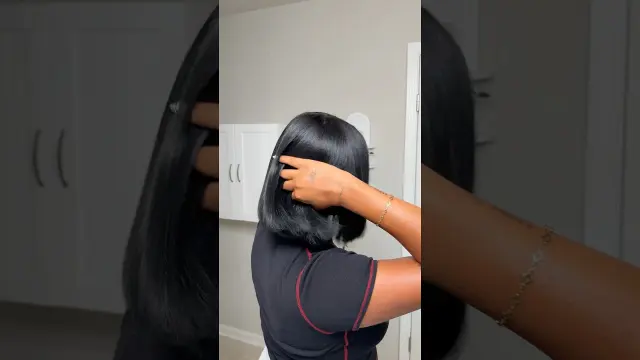
 Silk Press Routine Using Grow Good Beauty Products
#Silk Press
14 ideas
Silk Press Routine Using Grow Good Beauty Products
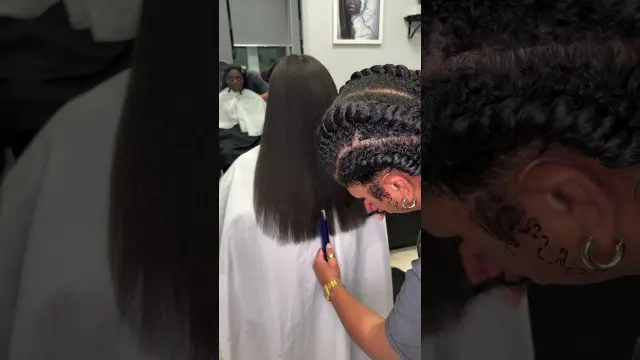 Hair Transformation: Four and a Half Hour Silk Press in Seconds
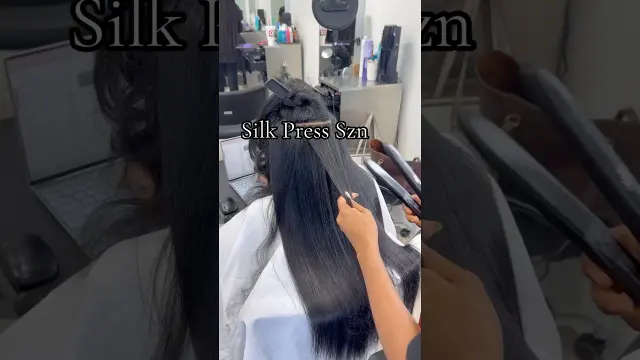 Achieving a Flawless Silk Press and Roller Set on Natural Hair
 Expert Tips for Achieving Sleek Results During Silk Press Season
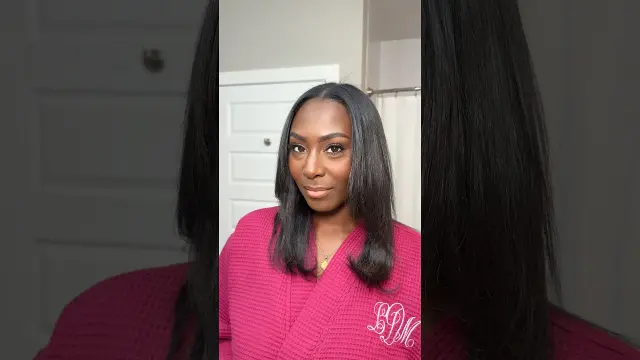 Doing a DIY Silk Press on Type 4 Natural Hair
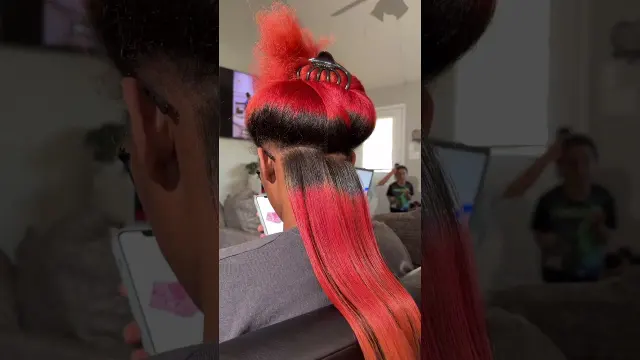 Professional Silk Press on Type 4 Natural Hair
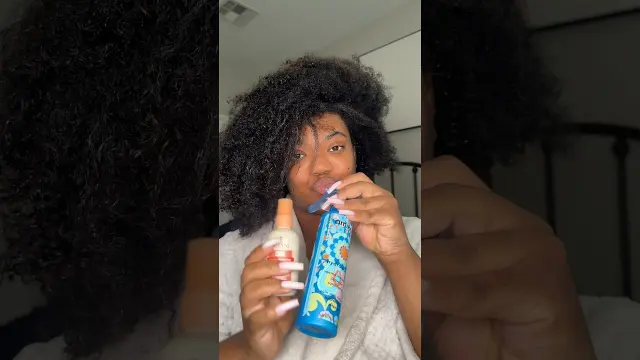 Achieving the Best At-Home Silk Press on Type 4 Hair
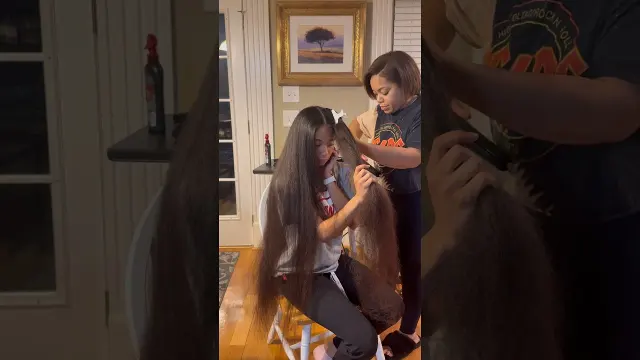 Natural Hair Silk Press and Trim Transformation
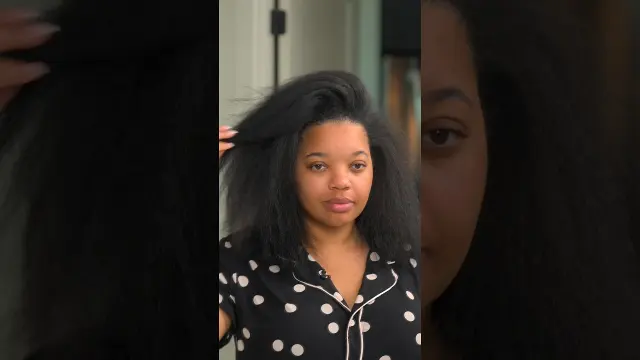 At-Home Fluffy Silk Press Routine for Natural Hair
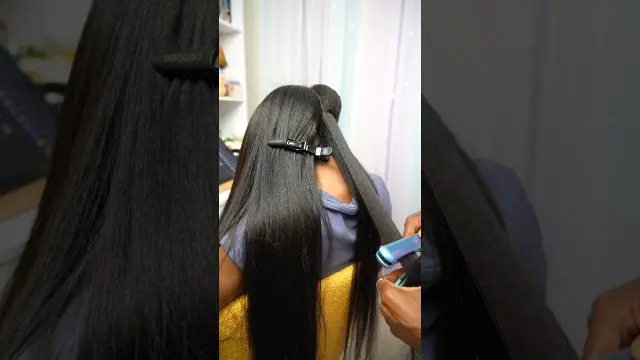 Silk Pressing a Daughter's Natural Hair at Home
 Doing a DIY Silk Press at Home with Clip-Ins
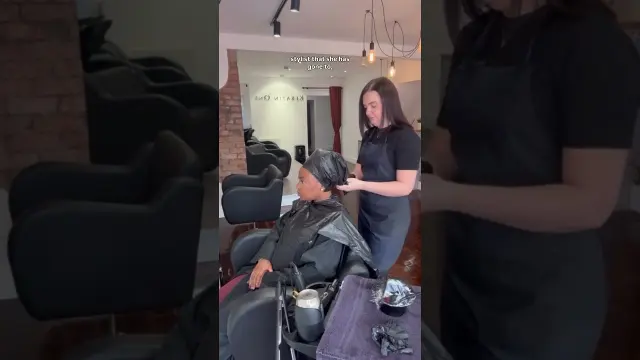 Natural Hair Silk Press and Haircut Transformation
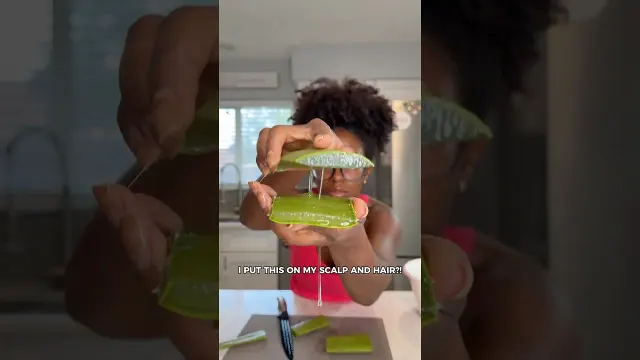 Fresh aloe vera hair treatment for a silky and shiny silk press
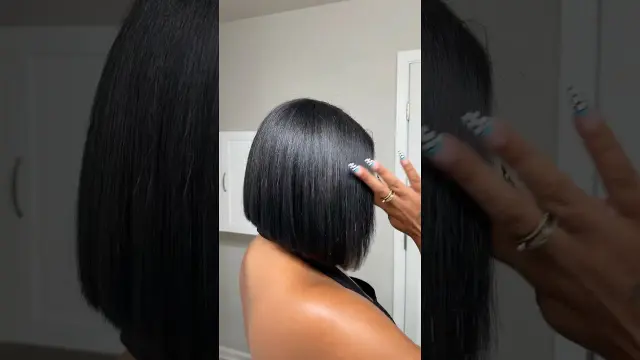 Complete Silk Press Hair Routine Using Olaplex
Get new #Silk Press ideas by email
Every Thursday: the week's best ideas, with the newest from #Silk Press.
Related tags
Silk Press Guide for Smooth Natural Hair
A silk press is a heat styling method used mostly on natural, textured hair to create a smooth, straight look without permanent chemical straightening. The goal is sleek hair with body, bounce, and a soft finish rather than the flat look of older pressing methods. It is popular because it lets you enjoy straight styles while still keeping your natural hair texture intact.
What a silk press is
Traditionally, pressing hair with hot combs or flat irons has been part of Black hair care for generations. A silk press is a modern version of that idea, usually done with careful cleansing, conditioning, blow-drying, and flat ironing in small sections. When done well, the hair looks smooth and shiny but still feels light and movable.
It is best suited to healthy natural hair that can handle heat styling occasionally. The result is temporary, so humidity, sweat, and washing will gradually bring the hair back to its natural texture.
Read more
How it is done
A good silk press starts with clean, well-conditioned hair. Many people use a gentle shampoo and a moisturizing conditioner or treatment first, then detangle carefully. After that, the hair is blow-dried smoothly, often with tension or a round brush, to remove most of the moisture before flat ironing.
The flat iron is usually passed through small sections with controlled heat. Too much heat can cause dryness, breakage, or a permanent loss of curl pattern over time, so it is better to use the lowest effective temperature and avoid repeated passes. A light heat protectant can help reduce damage.
What beginners should know
If you are new to silk presses, the health of your hair matters more than how straight it gets. Strong, moisturized hair usually responds better than hair that is already dry or fragile. Trim split ends regularly, and do not try to press hair that is not fully dry, since that can cause frizz and stress the hair shaft.
A silk press also works best when you avoid product buildup. Heavy oils, butters, and thick creams can make the hair harder to smooth and may lead to dullness or heat damage if they are not washed out properly.
Care and maintenance
Once your hair is pressed, protect it at night with a silk or satin scarf or bonnet, or sleep on a satin pillowcase. This helps reduce frizz and friction. Try to avoid moisture, steam, and excessive touching, since these can shorten the life of the style.
If your roots start to puff up or the ends lose smoothness, resist the urge to keep flattening the same sections again and again. Instead, focus on good prep next time. The healthiest silk press is one that looks polished while still respecting the condition of your natural hair.
Choosing the right routine
Different hair types need different levels of heat, stretching, and care. Fine hair may need gentler handling, while thicker or coarser hair may need more time and sectioning. The best routine is the one that leaves your hair soft, manageable, and not overly hot or dry.
A silk press can be a beautiful way to change your look, as long as you treat it as a temporary style and keep your hair’s long-term health in mind.
Videos come from YouTube and posts from Instagram; titles and summaries are our own. All rights belong to their creators.