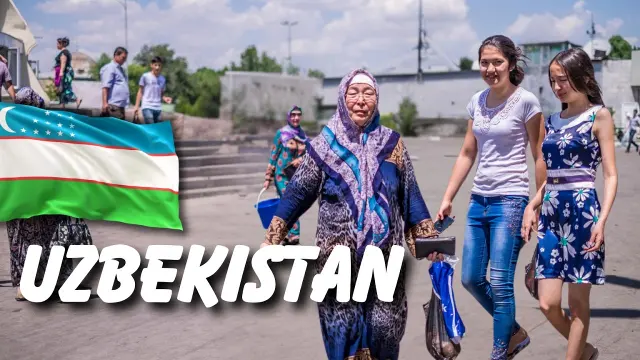
 Exploring Daily Life and Culture in Uzbekistan
#Silk Road
3 ideas
Exploring Daily Life and Culture in Uzbekistan
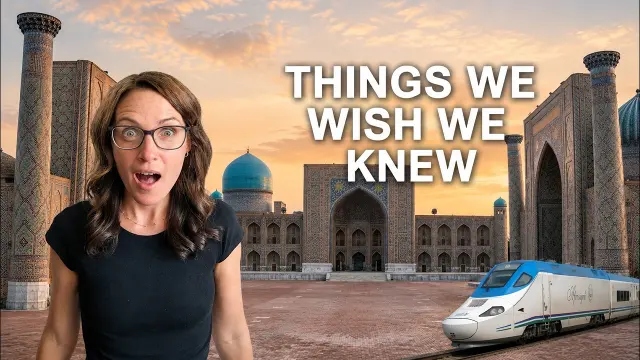 Essential Things to Know Before Visiting Uzbekistan
Get new #Silk Road ideas by email
Every Thursday: the week's best ideas, with the newest from #Silk Road.
Related tags
The Silk Road: Trade Routes and Cultural Exchange
What the Silk Road was
The Silk Road was not a single road, but a vast network of land and sea routes that connected East Asia, Central Asia, the Middle East, Africa, and Europe. For centuries, merchants, travelers, scholars, pilgrims, and diplomats moved along these routes, carrying goods, ideas, beliefs, technologies, and artistic styles. Silk became one of the best-known trade items, which is how the network got its name, but many other things traveled too.
Where it came from
The Silk Road grew gradually as different kingdoms and empires wanted contact with distant lands. It linked oasis cities, mountain passes, desert crossings, caravan stations, and port towns. Because the routes changed over time, there was never one fixed path. Instead, traders chose the safest and most practical connections for the season, the terrain, and the political situation.
Read more
What was traded and shared
Goods on the Silk Road included silk, spices, tea, ceramics, precious metals, glass, paper, dyes, gemstones, wool, and horses. But its importance went far beyond trade. Religious traditions, stories, languages, artistic motifs, and everyday knowledge also moved along these routes. That exchange shaped the cultures of many regions and helped create lively, cosmopolitan cities along the way.
Main routes and landscapes
The overland routes often passed through Central Asia, where deserts and steppes made travel difficult but also encouraged the growth of oasis settlements. Mountain corridors connected these areas to China, South Asia, and the Middle East. Sea routes linked coastal trading centers across the Indian Ocean and beyond. If you picture the Silk Road, imagine a web of connections rather than one straight line.
Architecture, crafts, and cultural legacy
Many places associated with the Silk Road are known for distinctive architecture, decorated mosques and madrasas, caravanserais, markets, and tiled facades. Crafts such as weaving, embroidery, ceramics, metalwork, and miniature painting often show the blending of local traditions with outside influences. This is one of the Silk Road’s most lasting legacies: it encouraged exchange without erasing local identity.
What to know if you want to explore Silk Road heritage
- Look for cities and sites that were shaped by trade, not just by conquest or politics.
- Pay attention to local craft traditions, food culture, and architecture, because they often tell the strongest stories.
- Expect the history to be shared across several countries and cultures, rather than belonging to just one place.
- Remember that the Silk Road was a long human network, so its story includes movement, adaptation, and exchange as much as commerce.
The Silk Road is best understood as a meeting place of civilizations. Its history shows how travel and trade can connect distant communities, leaving behind ideas and traditions that continue long after the caravans have gone.
#Silk Road: frequently asked questions
What is the Silk Road, really?
The Silk Road was not one single route, but a network of land and sea connections that linked many regions across Asia, the Middle East, Africa, and Europe. It was used for trade, but also for the exchange of ideas, beliefs, languages, and art.
How do I begin exploring Silk Road heritage if I’m planning a trip?
Start with places shaped by long-distance trade, such as historic cities, caravan routes, markets, and old religious or civic buildings. It also helps to look at local crafts, food traditions, and architecture, because they often reveal the strongest Silk Road influence.
What kinds of places and landscapes are associated with the Silk Road?
You’ll find Silk Road history in oasis towns, desert crossings, mountain passes, and port cities. Many sites are connected by a web of routes rather than one straight road, so different regions tell different parts of the story.
What should I look for when choosing a Silk Road destination?
Choose a place with a clear mix of heritage, local craft traditions, and everyday culture, not just a famous landmark. Cities with preserved markets, tiled buildings, mosques, madrasas, or caravan stops often offer the richest experience.
What are common mistakes people make when learning about the Silk Road?
A common mistake is thinking of it as a single road or as only a story about silk and trade. Another is focusing on one country alone, when the Silk Road was shared across many cultures and changed over time through movement, adaptation, and exchange.
Videos come from YouTube and posts from Instagram; titles and summaries are our own. All rights belong to their creators.