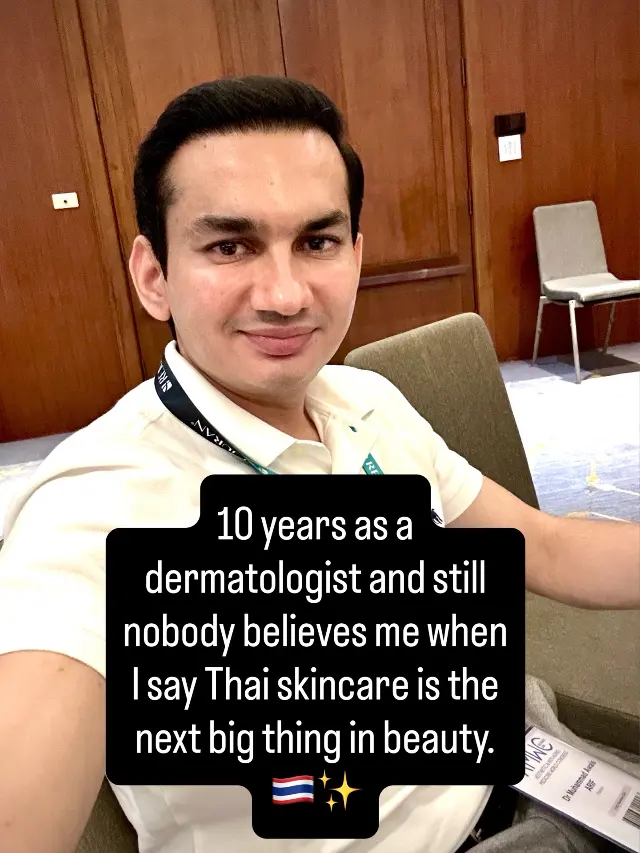
 Dermatologist Makes the Case for Thai Skincare as a Rising Trend
#Skincare Trends
2 ideas
Dermatologist Makes the Case for Thai Skincare as a Rising Trend
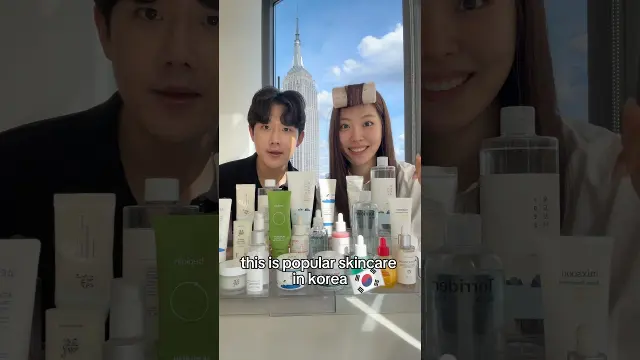 Korean Skincare Products That Are Popular in Korea Right Now
Get new #Skincare Trends ideas by email
Every Thursday: the week's best ideas, with the newest from #Skincare Trends.
Related tags
Skincare Trends: How Routines Evolve and What Stays
Skincare is one of the few areas of daily life where almost everyone has an opinion and almost no one has the same routine. That makes it fertile ground for trends: ideas about cleansing, layering, ingredients and tools that spread from one person to another, gather momentum, and eventually settle into everyday habit — or quietly disappear.
Where trends come from
Most skincare trends begin in a small circle and move outward. A technique used by estheticians, a step common in one country's routine, a way of applying a product that someone demonstrates well — these get shared, simplified, and repeated until they feel like common knowledge. Beauty culture in East Asia has shaped global routines strongly, particularly the idea of layering several light products instead of relying on one heavy cream, and the habit of double cleansing with an oil-based step followed by a water-based one. Western pharmacy traditions contributed their own staples, such as gentle cleansing and daily sun protection. Over time the two streams mix, which is why a modern routine rarely belongs to a single tradition.
Why a trend spreads
Read more
Trends tend to spread for reasons that have little to do with the product itself. Simplicity is persuasive: a routine that takes two minutes is easier to recommend than one that takes twenty. Visible ritual matters too — a routine with a pleasant texture, a scent, or a satisfying step is easier to keep up than one that feels like a chore. And the desire for control plays a part: skin is one of the few things people feel they can influence with daily effort.
The main families of products
Almost every routine, whatever its style, contains the same few functions. Cleansers remove oil, sweat and residue. Hydrating layers — toners, essences, serums — add water-binding ingredients and give skin a softer feel. Moisturisers seal that in with oils and emollients. Sunscreen limits the daily damage that shows up later as uneven tone and fine lines. Treatments with active ingredients address specific concerns and are usually the part of a routine that changes most often.
What beginners should know
Start with fewer products than you think you need: a gentle cleanser, a moisturiser and a sunscreen are enough to build on. Add one new product at a time and give it a few weeks before judging it, so you can tell what is helping and what is not. Introduce active ingredients slowly, one at a time, and stop anything that stings, burns or leaves skin red and uncomfortable. Patch-test on a small area first.
Judging a trend for yourself
Ask three plain questions. Does this add a step I do not already have? Is there a simpler way to get the same result? And does my skin actually feel better, or does it just look better in a photograph? Trends are useful as a menu of options, not as a schedule you must follow. The routines that last are the ones short enough to repeat on a tired evening and gentle enough to keep skin comfortable through the year.
#Skincare Trends: frequently asked questions
How do I start a skincare routine without buying everything at once?
Begin with the basics only: something gentle to cleanse with, something to moisturise, and daily sun protection. Live with that simple set until it feels like habit, then consider adding anything else. Building gradually keeps both your skin and your budget comfortable.
Do I really need every step of a multi-step routine?
No — many steps exist because they suit a particular skin type or climate, not because everyone requires them. Each layer should have a job you can name: cleaning, hydrating, sealing in moisture, or protecting from the sun. If a step adds nothing you can feel or explain, you can safely skip it.
How can I tell whether a skincare trend is worth trying?
Ask whether it gives you something your routine lacks, whether there is a simpler route to the same result, and whether your skin actually feels better afterwards rather than just looking good in a photo. Treat trends as a menu of options rather than a schedule you must keep. A technique that is short and gentle enough to repeat on a tired evening is far more likely to last.
What is the safest way to introduce a new product or active ingredient?
Add one new thing at a time and test it on a small patch of skin first, so you can tell what is responsible if something goes wrong. Give it a few weeks before deciding whether it helps. Stop using anything that stings, burns or leaves your skin red and uncomfortable.
What mistakes do people commonly make when following skincare trends?
The usual ones are starting too many new products at once, judging a product after a day or two, and copying a routine built for a different skin type or climate. Another is chasing a look in photographs instead of how skin actually feels. Keeping the routine short, gentle and repeatable avoids most of these problems.
Videos come from YouTube and posts from Instagram; titles and summaries are our own. All rights belong to their creators.