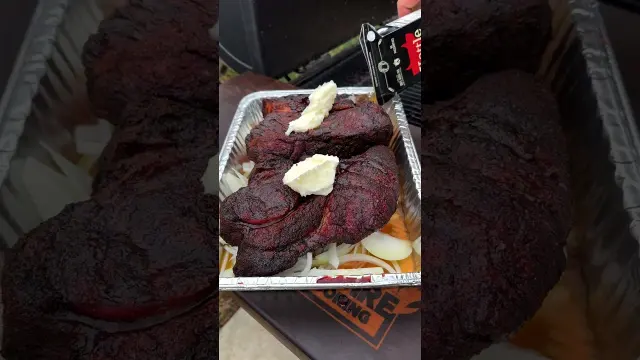
 Smoked BBQ Shredded Beef Melt on Texas Toast
#Smoked Beef
1 ideas
Smoked BBQ Shredded Beef Melt on Texas Toast
Get new #Smoked Beef ideas by email
Every Thursday: the week's best ideas, with the newest from #Smoked Beef.
Related tags
The Art and Craft of Smoked Beef
Smoked beef is a culinary tradition that transforms humble cuts of meat into tender, deeply flavorful masterpieces through the patient application of smoke and low heat. Rooted in ancient methods of food preservation, smoking has evolved from a practical necessity into a celebrated art form found in various cultures around the world. Today, it remains one of the most satisfying ways to cook beef, offering a rich sensory experience that brings people together around the table.
At its core, smoking beef relies on the interaction between wood smoke, heat, and connective tissue. As meat cooks slowly over several hours, the collagen breaks down, resulting in a melt-in-your-mouth texture while absorbing aromatic compounds from the wood. Different woods impart distinct flavor profiles. Fruitwoods like apple and cherry offer a mild, slightly sweet smoke that complements beef gently, while hardwoods like oak, hickory, and mesquites provide a robust, earthy intensity.
There are several traditional styles and cuts associated with smoked beef. Large, tough cuts from the shoulder or brisket are classic choices because they thrive in the low-and-slow cooking environment. Ribs and chuck roasts are also popular, each developing a characteristic exterior bark and a juicy interior. Beyond whole roasts, smoked beef can be shredded, sliced, or cubed, making it versatile for sandwiches, tacos, stews, and casual platters.
If you are new to smoking beef, beginning with the basics will ensure success. Start with a reliable cut of meat and focus on maintaining a steady, low temperature in your smoker rather than rushing the process. Simple seasonings like coarse salt and black pepper allow the natural flavor of the beef and the character of the wood smoke to shine through, though various dry rubs and marinades can also be used to build layers of flavor.
Read more
Patience is the most important ingredient when working with smoked beef. Because cooking times can be long and unpredictable, allowing the meat adequate time to rest after cooking is essential for retaining its natural juices. Pair your smoked beef with simple, complementary sides such as fresh slaws, pickles, or rustic breads to balance the richness of the meat. With a little practice, you will develop an intuitive feel for the craft, creating deliciously memorable meals for family and friends.
#Smoked Beef: frequently asked questions
How do I get started with smoking beef if I've never done it before?
Begin with a forgiving cut and keep your setup simple rather than chasing complicated rubs or gear. The real skill to practice is holding a steady, gentle temperature in your smoker and resisting the urge to rush the meat. Season lightly at first so you can taste what the smoke is actually doing.
Which cut of beef is best for smoking?
Cuts from the shoulder or the brisket are the classic choices, because their tough connective tissue turns silky during a long, slow cook. Ribs and chuck roasts are also dependable and reward the same patient approach. Look for a cut with good marbling and an even thickness so it cooks through without drying at the edges.
Which wood should I use for smoked beef?
Fruitwoods such as apple and cherry give a mild, slightly sweet smoke that flatters beef without overwhelming it. Hardwoods like oak, hickory and mesquite bring a stronger, earthier character that suits richer cuts. If you're unsure, start gentle and add intensity once you know how much smoke you enjoy.
How do I keep smoked beef from turning out dry?
The two things that matter most are a steady low temperature and letting the meat rest once it comes off the smoker, which lets the juices settle back in. Avoid trimming away too much fat, since it bastes the meat from within as it renders. Slicing against the grain also makes a noticeable difference in how tender each bite feels.
What can I serve with smoked beef, and how can I use the leftovers?
Simple, bright sides work best against the richness of the meat — a fresh slaw, pickles, or a rustic bread to mop things up. Leftovers are remarkably versatile: shred or cube the beef for sandwiches, tacos, stews, or a casual platter for a crowd. A shredded beef melt on toasted bread is an easy way to turn a leftover roast into a whole new meal.
What mistakes do beginners usually make with smoked beef?
The most common one is impatience — opening the smoker constantly and trying to speed things up with more heat, which dries the meat and muddies the flavor. Over-seasoning is another easy trap, since a heavy rub can bury both the beef and the wood. Keep the seasoning restrained and give yourself more time than you think you need.
Videos come from YouTube and posts from Instagram; titles and summaries are our own. All rights belong to their creators.