 Creative Outdoor BBQ and Grilling Recipe Ideas
#Smoker Recipes
3 ideas
Creative Outdoor BBQ and Grilling Recipe Ideas
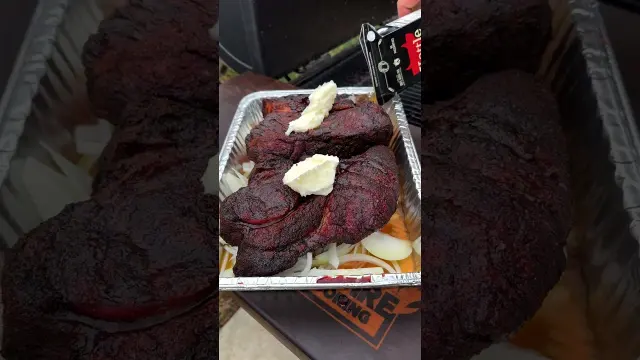 Smoked BBQ Shredded Beef Melt on Texas Toast
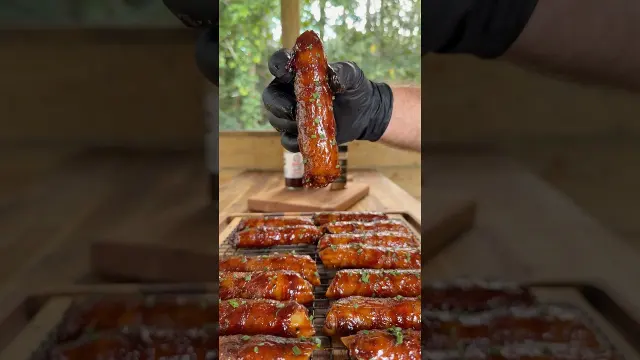 Smoked Cheeseburger Stuffed Manicotti Shells
Get new #Smoker Recipes ideas by email
Every Thursday: the week's best ideas, with the newest from #Smoker Recipes.
Related tags
Smoker Recipes: Guide to Outdoor Cooking
Smoking is an ancient culinary art that transforms simple cuts of meat, vegetables, and cheeses into rich, deeply flavored dishes through the gentle application of smoke and low heat. Unlike traditional grilling, which uses high heat to quickly sear food, smoking is a slow process that can take anywhere from an hour to an entire day. The magic of smoking lies in the combination of patience, wood smoke, and indirect heat, which breaks down tough connective tissues in meats and infuses every layer with distinct aromas.
At its core, the smoking process requires a reliable smoker and seasoned wood. Different woods impart unique flavor profiles. Fruitwoods like apple and cherry offer a mild, sweet fruitiness that complements poultry and pork. Hardwoods like hickory and oak provide a stronger, more traditional barbecue flavor that stands up well to robust beef briskets and ribs. For a truly earthy profile, mesquite is a popular choice, though it should be used sparingly so it does not overpower the dish.
Essential Techniques for Beginners
Temperature control is the single most important factor for success in smoking. Maintaining a steady, low internal temperature ensures that the food cooks evenly without drying out. A good digital meat thermometer is an indispensable tool, allowing you to monitor both the cooking environment and the internal temperature of the food accurately.
Read more
Another key concept is the distinction between hot smoking and cold smoking. Hot smoking cooks the food while flavoring it, typically kept between a specific low temperature range. Cold smoking is used primarily for curing and flavoring items like cheese or fish without actually cooking them, relying on smoke generated at much lower temperatures.
Practical Tips for Flavorful Results
- Keep the lid closed as much as possible to maintain a consistent temperature and trap the smoke inside the chamber.
- Embrace the stall, a natural thermodynamic phenomenon where meat temperature temporarily stops rising as moisture evaporates from the surface; patience is your best tool here.
- Let your meats rest after removing them from the smoker to allow the juices to redistribute evenly throughout the fibers.
- Experiment with dry rubs and liquid marinades beforehand to build a flavorful outer crust on meats, often called the bark.
Smoking food is deeply rewarding because it encourages you to slow down and enjoy the process of outdoor cooking. With a bit of practice, you will develop an intuition for how different cuts react to smoke and heat, allowing you to create memorable meals for family and friends.
#Smoker Recipes: frequently asked questions
How do I start smoking food if I’m a beginner?
Start with a simple setup, steady low heat, and a recipe that can tolerate a long, slow cook. Keep the lid closed as much as possible, use a thermometer to track the temperature, and be patient while the smoke works its way into the food.
What do I need to make smoker recipes at home?
You’ll need a reliable smoker, seasoned wood, and a way to monitor temperature accurately. A digital meat thermometer is especially helpful, along with a dry rub or marinade if you want to build more flavor before cooking.
Which smoker wood should I use for different foods?
Mild fruit woods are a great fit for poultry, pork, and lighter dishes because they add gentle sweetness. Stronger woods work well for beef and ribs, while more intense woods should be used carefully so they do not overpower the food.
What’s the difference between hot smoking and cold smoking?
Hot smoking both cooks and flavors the food, making it the best choice for meats and many outdoor recipes. Cold smoking adds smoke flavor without fully cooking the food, which is better suited to items like cheese or fish when handled correctly.
How do I keep smoked food juicy and flavorful?
Maintain a steady temperature, avoid opening the smoker too often, and let the food rest after cooking so the juices can settle back in. A good rub or marinade can also help create a flavorful crust on the outside.
What are common mistakes people make with smoker recipes?
One common mistake is chasing the heat by opening the lid too often, which lets smoke and temperature escape. Another is rushing the process; smoking works best when you give the food time and resist the urge to overcheck it.
Videos come from YouTube and posts from Instagram; titles and summaries are our own. All rights belong to their creators.