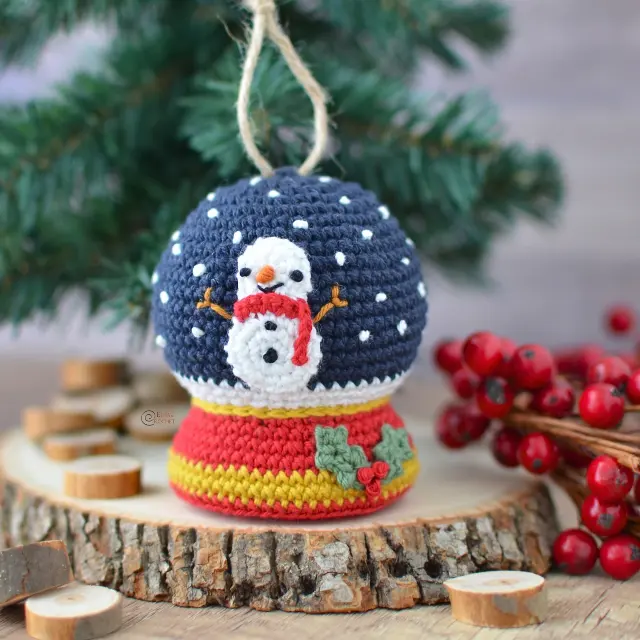
 Amigurumi Snowman Pattern with Embroidered Snowflakes
#Snowman
1 ideas
Amigurumi Snowman Pattern with Embroidered Snowflakes
Get new #Snowman ideas by email
Every Thursday: the week's best ideas, with the newest from #Snowman.
Related tags
How to Build, Craft and Decorate a Snowman
There is something quietly stubborn about a snowman. It appears in gardens and schoolyards whenever the weather allows, made by whoever happens to be outside, and it never looks quite like the one next door. Three rough spheres, a face, a hat if someone thought ahead — the ingredients are almost nothing, and the result is instantly recognisable.
A figure of winter folklore
Snow sculptures are old, and the human-shaped snow figure turns up in the winter traditions of northern Europe and North America alike. What people put on them has always been a matter of what was at hand: a broom, a scarf, a piece of coal, a carrot from the kitchen. That improvisation is part of the appeal. A snowman is a temporary folk object, made from the weather itself and gone with the thaw.
Building one that stays up
Read more
The quality of the snow matters more than technique. Dry, powdery snow will not bind, no matter how hard you press. Slightly wet snow that clumps in your glove is what you want, and a day that is cold but not bitter is usually kindest to both the snow and your hands.
- Start with a small snowball and roll it across clean, undisturbed ground so it gathers evenly.
- Build the base largest and work upward, flattening the top of each ball slightly so the next one sits level.
- Pack gaps with loose snow and smooth the outside with your palms; a compact surface lasts longer than a lumpy one.
- Choose a shaded spot if you want it to linger, and keep the proportions modest — a top-heavy snowman leans and falls.
- Warm gloves beat bare hands, and a waterproof layer underneath makes the whole business far more comfortable.
Dressing it
Decorating is where a snowman becomes a character. Traditional touches are simple: a carrot nose, pebbles or buttons for eyes and a mouth, twigs for arms. A scarf, a woolly hat and a broom finish the silhouette. Loose, light items work best, and anything you would mind losing should stay indoors. Bird-friendly additions such as seeds or a wreath of greenery are a nice gesture, though they rarely last long.
Snowmen indoors
For those who would rather stay warm, snowmen make forgiving craft subjects. Crocheted amigurumi snowmen are built from simple spheres worked in the round, with faces embroidered on afterwards so small pieces stay secure. Felted and stitched snowmen suit hand-sewers, while paper, clay and salt-dough versions are good projects to make with children. A snowman ornament or two brought out each year ages well, because the shape never really changes.
Whether yours ends up in the garden or on a shelf, the pleasure is in the making, and in the fact that it asks so little of you.
#Snowman: frequently asked questions
What kind of snow works best for building a snowman?
You want snow that is slightly wet and clumps together in your glove, because dry powdery snow refuses to bind no matter how hard you press. A cold but not bitter day is kindest to both the snow and your hands, so pick your moment rather than fighting the weather.
How do I build a snowman that actually stays upright?
Start with a small snowball and roll it over clean, undisturbed ground so it gathers evenly, making the base the largest part and flattening the top of each ball so the next one sits level. Pack loose snow into the gaps and smooth the surface with your palms, since a compact outer layer holds together far better than a lumpy one. Keep the proportions modest and build in a shaded spot if you want it to last.
What should I use to decorate a snowman?
Traditional touches are the easiest and the most recognisable: a carrot for the nose, pebbles or buttons for eyes and a mouth, and twigs for arms, with a scarf, hat and broom finishing the silhouette. Stick to loose, light items and leave anything you would mind losing indoors. Bird-friendly additions like seeds or a wreath of greenery are a nice gesture, though they rarely stay put for long.
How can I make my snowman last longer?
Place it somewhere shaded so the sun does not work on it directly, and pay attention to proportion, because a top-heavy figure leans and topples before the thaw would otherwise take it. Smoothing the outside as you build helps too, as a compact surface resists melting better than a rough one.
What are common mistakes when making a snowman?
The usual culprits are trying to work with powdery snow that will not hold, and stacking balls without flattening the tops so each one slides off the next. Building somewhere exposed or making the head too large also shortens its life. Going out with bare hands rather than warm gloves and a waterproof layer underneath is the mistake you will feel first.
Can I make a snowman indoors instead?
Yes — snowmen are forgiving craft subjects, and crocheted amigurumi versions are built from simple spheres worked in the round with the face embroidered on afterwards so small pieces stay secure. Felted and stitched snowmen suit hand-sewers, while paper, clay and salt-dough versions work well with children. An ornament or two brought out each year ages well, because the shape never really changes.
Videos come from YouTube and posts from Instagram; titles and summaries are our own. All rights belong to their creators.