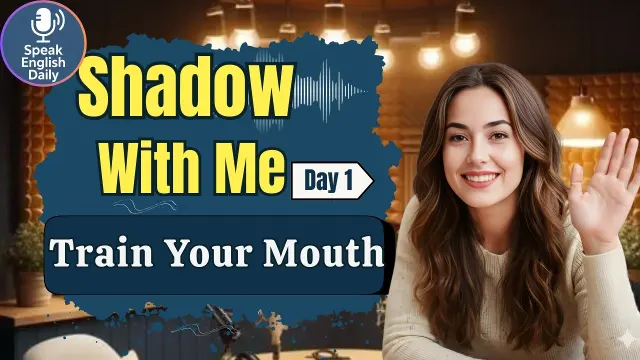
 English Shadowing Practice for Pronunciation
#Speaking Practice
16 ideas
English Shadowing Practice for Pronunciation
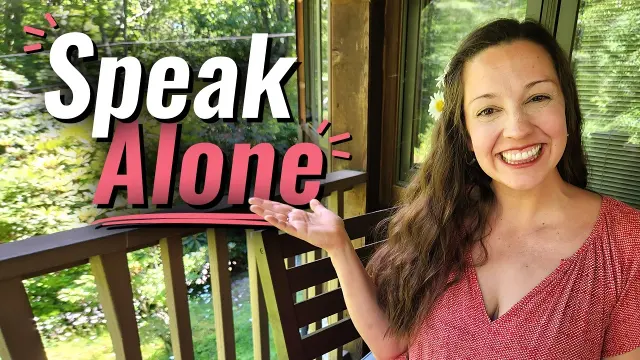 Three Methods To Practice Speaking Alone
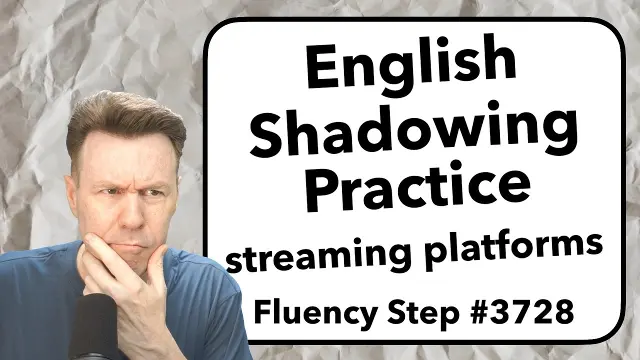 Repeat After Me and Shadowing English Speaking Practice
 Easy American English Daily Conversations
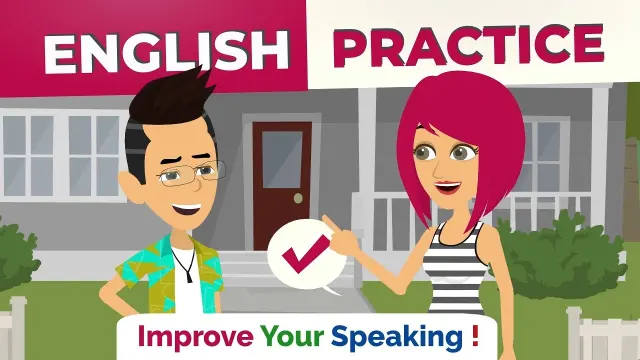 Daily English Conversation Listen And Repeat
 Beginner English Conversation And Listening
 English Conversation Practice for Beginners and Daily Use
 Real Life English Conversation Shadowing
 Daily Conversation Practice With Shadowing
 Slow English Beginner Story Practice
 Daily Life Sentence Shadowing Practice
 Comprehensive American English Speaking Lesson
 Slow English Beginner Questions And Answers
 Everyday English Speaking Podcast
 How to Speak English on the Phone Real Conversation Practice
 Daily English Speaking Practice and Listening Conversation
Get new #Speaking Practice ideas by email
Every Thursday: the week's best ideas, with the newest from #Speaking Practice.
Related tags
Speaking Practice for Clearer, Easier Conversation
Speaking practice is the part of language learning where you turn knowledge into action. It means using your voice to form words, build sentences, and respond in real time. You can study grammar and vocabulary for a long time, but speaking helps you connect everything together so it becomes easier to use naturally.
What speaking practice is
At its core, speaking practice is any activity that helps you produce language out loud. That can include repeating phrases, answering questions, reading aloud, describing pictures, role-playing everyday situations, or having free conversation. The goal is not to speak perfectly. The goal is to become more comfortable, more accurate, and more fluent over time.
Speaking is often the hardest skill because it asks you to think, choose words, and pronounce them while the conversation keeps moving. That is why regular practice matters. The more often you speak, the less stressful it feels.
Read more
Common kinds of speaking practice
There are many useful ways to practice, and each one builds a different skill.
- Repetition helps you get used to sentence patterns and pronunciation.
- Shadowing means listening and speaking at the same time, usually just after the speaker, to improve rhythm and intonation.
- Reading aloud helps you connect written words with spoken form.
- Guided questions help you practice short answers and everyday responses.
- Role-play prepares you for real situations like introductions, ordering food, or making a phone call.
- Free speaking lets you talk without a script, which is useful for building confidence and flexibility.
A balanced practice routine usually includes a mix of these methods. Some are more controlled, and some are more spontaneous.
What beginners should know
If you are starting out, keep your speaking practice simple. Short, correct sentences are better than long, complicated ones you cannot finish. It is also normal to pause, repeat yourself, or use simple words. That is part of learning.
Try to focus on one thing at a time. For example, you might work on pronunciation in one session, everyday vocabulary in another, and short conversations in another. Trying to improve everything at once can feel overwhelming.
It also helps to listen carefully before you speak. Hearing how native or fluent speakers connect words, stress syllables, and use natural rhythm gives you a model to copy.
Helpful habits
- Practice a little often instead of waiting for a perfect moment.
- Speak out loud, even if you are alone.
- Record yourself sometimes so you can notice pronunciation and pace.
- Learn useful phrases for common situations.
- Do not stop at single words; practice full sentences.
- Allow yourself to make mistakes, because mistakes are part of speaking practice.
Using speaking practice in daily life
You do not always need a formal lesson to improve. You can describe your day, narrate what you are doing, or answer simple questions in your target language. You can also practice with a partner, a tutor, or a speaking group. If you do not have someone to talk to, self-practice still helps a lot.
The most important thing is consistency. Speaking becomes easier when you give it regular attention and when you choose topics that are useful in real life. Over time, you will find that words come faster, sentences feel more natural, and speaking feels less intimidating.
Videos come from YouTube and posts from Instagram; titles and summaries are our own. All rights belong to their creators.