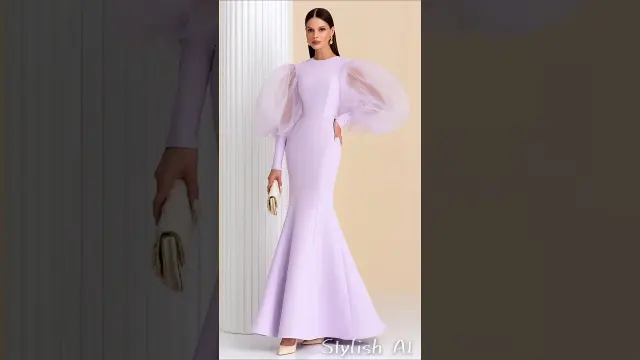
 Stunning Evening Gowns and Special Occasion Dresses
#Special Occasion
1 ideas
Stunning Evening Gowns and Special Occasion Dresses
Get new #Special Occasion ideas by email
Every Thursday: the week's best ideas, with the newest from #Special Occasion.
Related tags
Special Occasion Dressing: A Complete Guide
A special occasion is any event that sits outside the ordinary rhythm of daily life: a wedding, a graduation, a gala, a milestone birthday, a religious ceremony, a formal dinner. Dressing for one is a small act of respect and anticipation at once, a way of marking that the day matters and of helping everyone present feel the same. The category is broad, and the pleasure of it lies in reading the occasion well rather than in owning the most elaborate thing in the wardrobe.
Reading the dress code
Most invitations carry a signal, sometimes spelled out and sometimes implied. Formal or black tie calls for floor-length gowns or a tailored tuxedo, refined fabrics and restrained jewellery. Cocktail sits a step below, typically knee to midi length, with a little more freedom in colour and cut. Semi-formal and smart casual leave the most room and the most risk of misjudging: a well-cut dress or a good blazer over trousers usually lands comfortably. When in doubt, ask the host. A single polite question is far easier than feeling overdressed or underdressed all evening.
Shapes, fabrics and what suits you
Read more
Silhouettes are largely a matter of balance. A-line skirts flatter nearly everyone; column cuts elongate; fit-and-flare gives movement; wraps and bias cuts drape and travel well. The fabric matters as much as the shape, because it determines how a garment moves and how you feel in it over several hours. Crepe, satin, velvet, chiffon and fine wool each behave differently: some hold structure, some skim, some show every crease. Hold the fabric against you, sit down in it, and let it tell you whether it belongs on your body for an evening.
Fit, comfort and planning
Fit is where most special occasion outfits succeed or fail. Allow time for alterations — a hem shortened or a waist taken in transforms an ordinary dress into a good one, and it is far cheaper than replacing a garment. Break in new shoes before the day. Test the whole outfit at home: sit, walk, climb stairs, raise your arms. Consider what will happen when the evening runs long and the room grows warm; a wrap or a light jacket solves a great deal.
Finishing touches
Accessories should support, not compete. One considered piece of jewellery, a bag small enough to carry but big enough for your essentials, and shoes you can genuinely walk in will do more than a cabinet of extras. Colour is personal — a strong shade worn with conviction usually reads better than a safe neutral worn uncertainly.
Buying thoughtfully
Occasion wear is worn rarely, which makes it a place to be deliberate. Consider whether a piece will survive more than one event, whether it can be restyled, and whether borrowing, renting or buying second-hand suits you better than buying new. Care for what you own: clean it promptly, store it properly, and it will be there for the next celebration.
#Special Occasion: frequently asked questions
How do I figure out what to wear to a special occasion when the invitation is vague?
Start by reading any signal the invitation gives and matching your outfit to the setting rather than to your wardrobe's most elaborate piece. If the wording leaves you unsure, ask the host directly — a single polite question saves an evening of feeling out of place. Hosts generally appreciate being asked far more than they mind answering.
What should I consider first when choosing a special occasion outfit?
Balance matters more than decoration: think about the silhouette against your proportions and the fabric against the length of the event. A-line shapes and wrap or bias cuts tend to work on most body types, while column cuts elongate and fit-and-flare adds movement. Hold the fabric, sit down in it, and judge whether it will still feel good after several hours of wear.
How far ahead should I plan and prepare an outfit?
Leave yourself enough time for alterations, since a shortened hem or a taken-in waist changes a garment more than any accessory will. Break in new shoes well before the day and try the full outfit at home — walk, sit, climb stairs, lift your arms. It also helps to plan for a long evening in a warm room, which a wrap or light jacket handles easily.
Which accessories actually make a difference for occasion wear?
Fewer, better-chosen pieces tend to work better than a full cabinet of extras. A single considered piece of jewellery, a bag just large enough for essentials, and shoes you can genuinely walk in will carry the look further than anything more elaborate. Colour is personal, and a strong shade worn with confidence usually reads better than a neutral worn hesitantly.
What are the common mistakes people make with special occasion dressing?
The usual missteps are dressing a level above or below the stated dress code, ignoring fit in favour of the look on the hanger, and buying something that can only be worn once. Over-accessorising and wearing untested shoes for a long event cause as much discomfort as poor sizing. Treat the outfit as something to be tested and adjusted rather than simply purchased.
How do I choose occasion wear I will actually wear again?
Look for pieces that can be restyled for a different kind of event rather than locked to a single look. Weigh whether borrowing, renting or buying second-hand suits you better than buying new, since occasion wear is worn rarely. Once you own something, clean it promptly and store it properly so it is ready for the next celebration.
Videos come from YouTube and posts from Instagram; titles and summaries are our own. All rights belong to their creators.