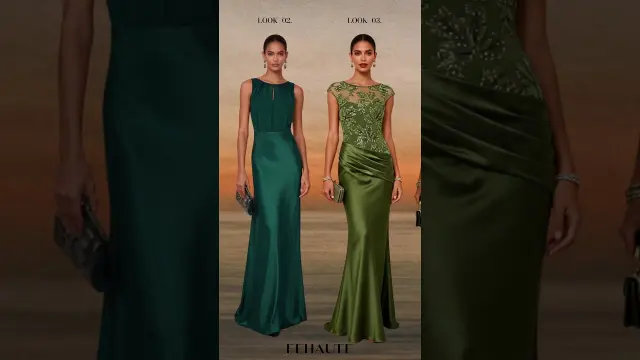
 Fall Green Edit Featuring Elegant Wedding Guest Dresses
#Formal Wear
3 ideas
Fall Green Edit Featuring Elegant Wedding Guest Dresses
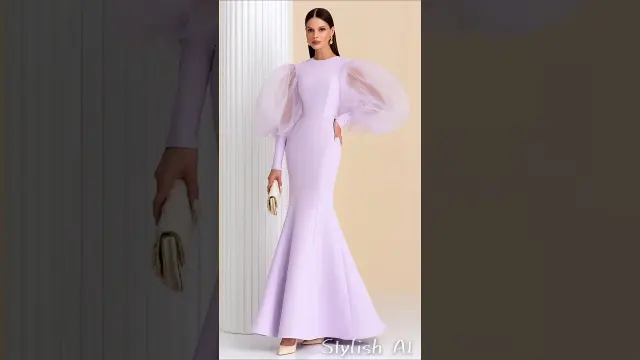 Stunning Evening Gowns and Special Occasion Dresses
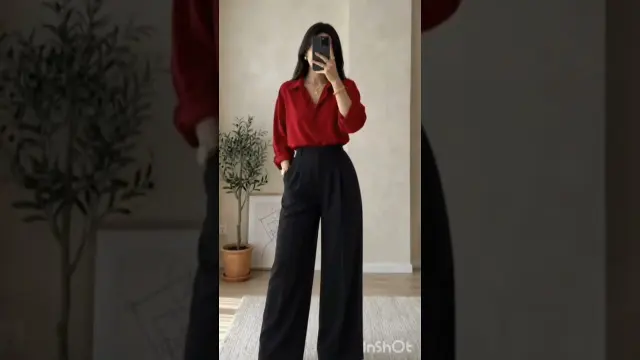 Six Classy Formal Shirt and Wide Leg Pant Outfits for Women
Get new #Formal Wear ideas by email
Every Thursday: the week's best ideas, with the newest from #Formal Wear.
Related tags
Formal Wear: A Guide to Dressing for Occasions
Formal wear is the category of clothing reserved for occasions that ask for a certain level of ceremony: weddings, galas, awards evenings, state dinners, religious celebrations, black-tie parties and, in some settings, important professional events. It sits at the most polished end of a spectrum that runs from casual through smart casual and business dress up to formal and, finally, full formal or white tie. The point of the category is not luxury for its own sake but signalling respect for the occasion and the people gathered for it.
Where the codes come from
Modern formal dress codes developed in Europe over the eighteenth and nineteenth centuries, when evening dress separated from day dress and court etiquette fixed rules about cut, colour and accessories. Many of those conventions survived into the twentieth century and were then loosened, reinterpreted and regionalised. What remains is a shared vocabulary — tails, dinner jackets, evening gowns, cocktail dress — that still tells hosts and guests what to expect. Traditions vary widely by country and culture, and local formal dress is often richer than the imported template; a sari, a kaftan, a hanbok or a dashiki worn to a formal event is formal wear in the fullest sense.
The main codes
Read more
- White tie is the most formal: tailcoat, stiff-front shirt, white bow tie; for women, a floor-length evening gown.
- Black tie calls for a dinner jacket, typically with a dark bow tie, and a long or elegant knee-length dress.
- Black tie optional or formal invites a suit or a cocktail dress as a valid alternative.
- Cocktail sits one step below: shorter dresses, dressy separates, polished shoes.
- Business formal means a matched suit or tailored dress in restrained colours.
Invitations usually name the code, and following it is the whole courtesy of the thing. When in doubt, ask the host rather than guess, and dress slightly above the room rather than below it.
Building a formal wardrobe
Buy for fit before anything else. A modest garment that is altered to your measurements looks better than an expensive one that pulls at the shoulders or drags on the floor. Choose fabrics that hold their shape and travel well — wool, silk, crepe, good cotton — and colours that survive years of wear: navy, black, charcoal, deep green, ivory, burgundy.
Classic silhouettes age slowly. A well-cut dark suit, a simple long dress, a crisp white shirt and a pair of comfortable dress shoes will serve for years. Accessories do most of the changing: jewellery, a clutch, a scarf, a pocket square or a pair of gloves shift the same dress from one occasion to another.
Practical notes for beginners
Have formal pieces tailored, and keep them clean and stored properly between wearings. Test shoes and undergarments before the day, break in anything new, and check whether the venue is indoors, outdoors or on grass. Comfort matters more than it seems: nerves and long evenings are easier to manage in clothes you can sit, stand and walk in. Finally, formal wear is a set of conventions, not a test of wealth. Rented, borrowed, second-hand and altered pieces are entirely at home in a formal room.
#Formal Wear: frequently asked questions
How do I choose formal wear if the invitation only says 'formal' or 'black tie'?
Start by reading the dress code on the invitation and match it as closely as possible. If the wording is unclear, ask the host rather than guessing, and it is usually safer to dress a little more polished than too casual.
What should I buy first if I want to build a formal wardrobe?
Begin with a few versatile foundations that can work for many events, such as a well-cut suit, a simple long dress, a crisp shirt, and comfortable dress shoes. From there, you can change the look with accessories like jewelry, a clutch, a scarf, or a pocket square.
What kinds of formal wear work best for weddings and evening events?
For weddings and special evening occasions, elegant dresses, tailored suits, and polished separates are all strong choices, depending on the code and the setting. Long gowns, refined cocktail dresses, and smart wide-leg pant outfits can all look appropriate when the fit and fabric feel dressy.
How should formal clothes fit and what fabrics are best?
Fit matters more than label or price, so choose pieces that can be tailored to your shape. Fabrics that hold structure and look refined, such as wool, silk, crepe, and good cotton, are usually easier to wear and keep looking polished.
How do I take care of formal wear so it lasts longer?
Store formal pieces carefully, keep them clean, and have them altered or maintained when needed. It also helps to try on new shoes and undergarments before the event so everything feels comfortable and works well together.
Videos come from YouTube and posts from Instagram; titles and summaries are our own. All rights belong to their creators.