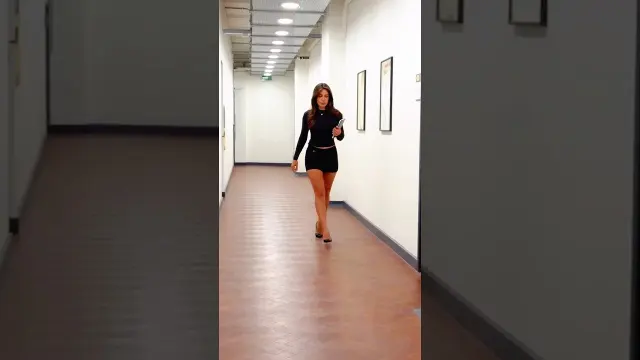
 All-Black Office Outfit for Cold-Weather Presentation Days
#Office Outfits
3 ideas
All-Black Office Outfit for Cold-Weather Presentation Days
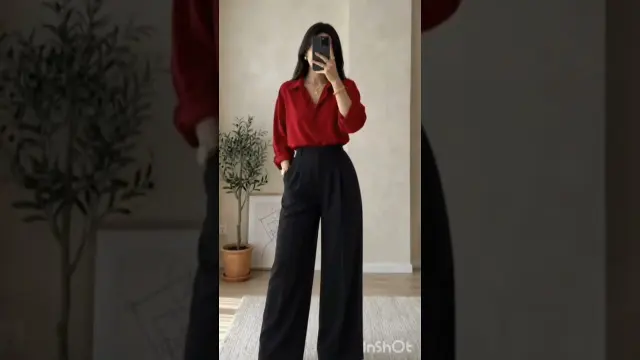 Six Classy Formal Shirt and Wide Leg Pant Outfits for Women
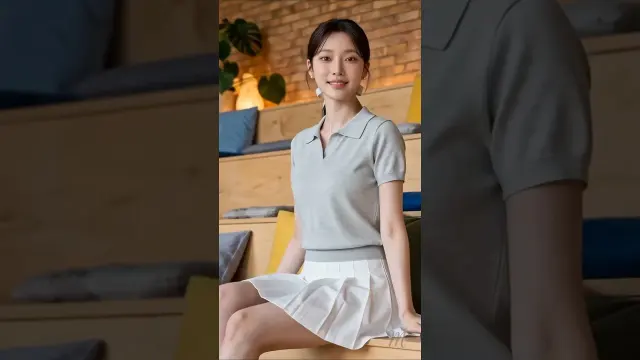 Startup Office Looks Smart Casual Workwear Lookbook
Get new #Office Outfits ideas by email
Every Thursday: the week's best ideas, with the newest from #Office Outfits.
Related tags
Office Outfits: A Guide to Dressing Well for Work
Work is where most of us spend a large share of our waking hours, and what you wear to it shapes how the day feels. An office outfit is simply the clothing chosen for a professional setting: it signals respect for the people you meet, it supports the tasks you actually do, and ideally it lets you forget about yourself and get on with the work.
The idea is old — clerks, teachers and civil servants have always had a working wardrobe — but its rules have loosened considerably over the years. Once a suit was near-universal in formal workplaces; today the range of acceptable dress is much wider, and most offices fall somewhere between full formal and relaxed. What matters is reading the room: notice what people in senior roles wear, ask about a written dress code if one exists, and dress slightly more carefully in your first weeks than you think you need to.
The main dress codes
Formal or business dress usually means tailoring: a matching suit or a jacket with tailored trousers or a skirt, a collared shirt or blouse, and closed shoes. It is structured, somewhat uniform, and designed to look the same in any meeting.
Read more
Business casual softens the edges. Jackets become optional, trousers may give way to well-cut chinos or dark jeans depending on the workplace, and knitwear appears. The key is that everything is clean, pressed and deliberate rather than merely comfortable.
Smart casual is the most elastic label and the most confusing. Think good fabrics, simple shapes, nothing beachy or gym-like. When in doubt, choose the more considered option and add polish through shoes and a neat layer.
Building a working wardrobe
Start from the bottom. A small core of neutral pieces — a couple of pairs of trousers that fit well, a skirt or two if you wear them, one dependable pair of comfortable shoes — will mix with nearly everything. Add shirts, blouses and fine knits in colours that work together so that any top matches any bottom. From there, one or two tailored layers, a jacket or a clean cardigan, cover you for meetings and colder rooms.
Fit does more work than price. A hem that sits right and shoulders that sit where they should will always look better than a costly garment that pulls or sags. If you can, have a few key pieces adjusted by a tailor; small alterations change how something hangs.
Practical details
Comfort is not a compromise, it is a requirement: you need to sit, stand, walk and carry things. Test new shoes at home before a long day. Keep a spare neutral layer at your desk for unpredictable temperatures. Consider the practicalities of your commute and a long day out of the house.
Finally, let your own taste into the picture. A colour you love, a scarf, a piece of jewellery, an interesting collar — small personal touches keep a working wardrobe from feeling like a costume, and make getting dressed in the morning a pleasure rather than a chore.
#Office Outfits: frequently asked questions
How do I start building an office outfit wardrobe from scratch?
Start with a small set of neutral basics that mix easily, such as well-fitting trousers, a skirt if you wear one, and a comfortable pair of work shoes. Then add shirts, blouses, and fine knits in colors that work together, plus one or two tailored layers for meetings or cooler rooms.
How do I know whether to wear formal, business casual, or smart casual office clothes?
Read the workplace culture first by noticing what senior people wear and checking for any dress code. If the setting is unclear, it is usually safer to choose the more polished option and then soften it later once you understand the office environment.
What should a polished office outfit include?
A clean, intentional look matters more than dressing up too much. Depending on the level of formality, that can mean tailored trousers or a skirt, a neat top, closed-toe shoes, and a jacket or cardigan to finish the outfit.
What are some good office outfit ideas for cold days or presentation days?
On colder or more important days, a structured outfit works well, such as dark tailored pieces with a jacket or a neat long layer. You can keep it simple and professional while still adding warmth through heavier fabrics, smart shoes, and a clean, layered silhouette.
How can I make office clothes comfortable without looking too casual?
Choose pieces that let you sit, walk, and work comfortably while still looking deliberate. Good fit, breathable fabrics, and shoes you have already worn in make a big difference, and a tidy layer or polished accessory can keep the outfit office-ready.
What are the most common mistakes to avoid with office outfits?
Avoid wearing items that look too beachy, gym-like, wrinkled, or poorly fitted. It also helps not to rely on brand-new shoes or clothes that pinch, sag, or distract you, since the goal is to look composed and feel at ease.
Videos come from YouTube and posts from Instagram; titles and summaries are our own. All rights belong to their creators.