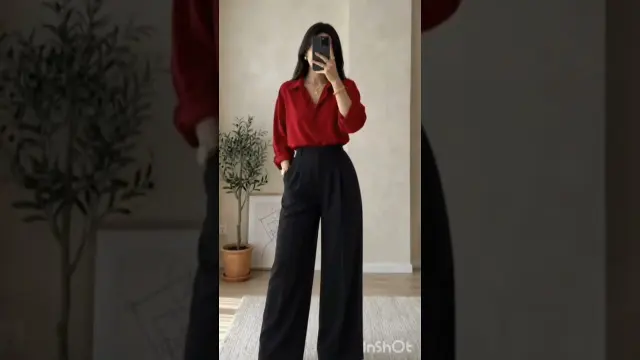
 Six Classy Formal Shirt and Wide Leg Pant Outfits for Women
#Old Money Aesthetic
1 ideas
Six Classy Formal Shirt and Wide Leg Pant Outfits for Women
Get new #Old Money Aesthetic ideas by email
Every Thursday: the week's best ideas, with the newest from #Old Money Aesthetic.
Related tags
Old Money Aesthetic: A Guide to Quiet, Timeless Style
The old money aesthetic is a style of dressing that borrows its cues from inherited wealth rather than freshly bought status. It favours restraint over display: good cloth, careful fit, muted colours and very few logos. Nothing about it is meant to shout. The point is to look as though you have always dressed this way and never gave it much thought, which is exactly why it takes a little thought to get right.
Where it comes from
The look has roots in the everyday wardrobes of landed families in Europe and North America, and in the preppy tradition of university towns and country houses. Much of it grew out of clothes made for being outdoors: tweed for shooting, waxed jackets for wet walks, cable knits for cold evenings, boat shoes and cotton shirts for sailing and tennis. These were practical garments first, and their quiet usefulness later became a shorthand for a certain kind of background. What survives of that history is a preference for clothes that suit the occasion rather than the attention.
Colour and cloth
Read more
The palette stays close to the natural world: navy, cream, stone, camel, grey, olive, brown, deep forest green, and the occasional touch of burgundy or soft blue. Prints appear rarely, and when they do they are small and traditional, like a fine stripe or a subtle check.
Fabric matters more than ornament. Wool, cotton, linen, silk and cashmere all age well and look better with wear, while synthetics tend to show their age quickly. Texture is the real decoration here: a ribbed knit against a smooth cotton shirt, a matte tweed against polished leather.
The pieces that carry the look
- Tailored trousers and a well-cut blazer, worn together or separately
- Crisp cotton shirts, white or pale blue, tucked or worn loose
- Fine knitwear in plain colours: crew necks, cardigans, a polo
- A trench coat or a simple wool overcoat
- Leather shoes and a leather bag, kept clean and repaired
- Small, quiet accessories: a plain watch, simple gold or pearl earrings, a silk scarf
What beginners should know
Start with the base, not the accessories. Two or three neutral colours that sit well together will carry you further than a wardrobe full of separate good ideas.
Fit is where the aesthetic lives. A modest garment that has been taken in at the waist and shortened at the hem will always look more expensive than a costly one that hangs badly, so find a tailor you trust and use them.
Skip visible branding. Large logos do the opposite of what this style is trying to achieve, and plain pieces are easier to combine anyway.
You do not need a large budget. Good wool and cotton turn up constantly in secondhand shops and inherited wardrobes, and a little alteration makes them yours.
A few practical habits
Choose natural fibres when you can, and read the care label before you buy. Learn to brush wool, air knitwear instead of washing it every week, and keep leather polished. Buy slowly and replace rarely.
Finally, wear it comfortably. The old money aesthetic works best when it looks like your own clothes rather than a costume, so keep the pieces that feel like you and let the rest go.
#Old Money Aesthetic: frequently asked questions
How do I start building an old money aesthetic wardrobe without spending much?
Begin with the foundation rather than the finishing touches: settle on two or three muted colours that work together and buy the plain pieces that carry them, like a cotton shirt, tailored trousers, a blazer and a fine knit. Secondhand shops and inherited wardrobes are full of good wool and cotton, and a small alteration makes those pieces fit you properly. Accessories and extras can wait until the base is solid.
What pieces do I actually need for this look?
The core is a well-cut blazer, tailored trousers, crisp cotton shirts in white or pale blue, plain knitwear, and one proper coat such as a trench or a wool overcoat. Add clean leather shoes, a leather bag and one or two quiet accessories like a plain watch or a silk scarf. You can wear the tailoring together or split it up, which is what makes so few pieces go so far.
Which colours and fabrics suit it best?
Stay close to natural, muted tones — navy, cream, stone, camel, grey, olive, brown and deep green, with maybe a touch of burgundy or soft blue. Prints should be small and traditional, like a fine stripe or a subtle check. Fabrics matter more than decoration: wool, cotton, linen, silk and cashmere wear well and improve with age, while synthetics tend to look tired quickly.
How do I care for these clothes so they last?
Read the care label before you buy, and choose natural fibres where you can. Brush wool rather than washing it often, air knitwear between wears, keep leather polished, and repair shoes and bags instead of replacing them. Buying slowly and replacing rarely is the whole habit.
What are the most common mistakes beginners make?
The usual slip is starting with accessories or chasing a look rather than a wardrobe, which leaves you with plenty of ideas and nothing to wear together. Visible logos and large branding undo the effect entirely, and buying expensive pieces that fit badly is worse than altering cheaper ones that do. Another is treating it as a costume — it only works when the clothes feel like your own.
Can I dress this way for a formal occasion?
Yes — the same logic holds, just in better cloth. A tailored trouser with a crisp shirt and a well-cut blazer, or a silk scarf and simple jewellery against a plain palette, reads as formal without any display. Keep the colours muted and the fit exact, and let the quality of the fabric do the talking.
Videos come from YouTube and posts from Instagram; titles and summaries are our own. All rights belong to their creators.