 Stage makeup look created for singer Elli Kokkinou live
#Stage Makeup
3 ideas
Stage makeup look created for singer Elli Kokkinou live
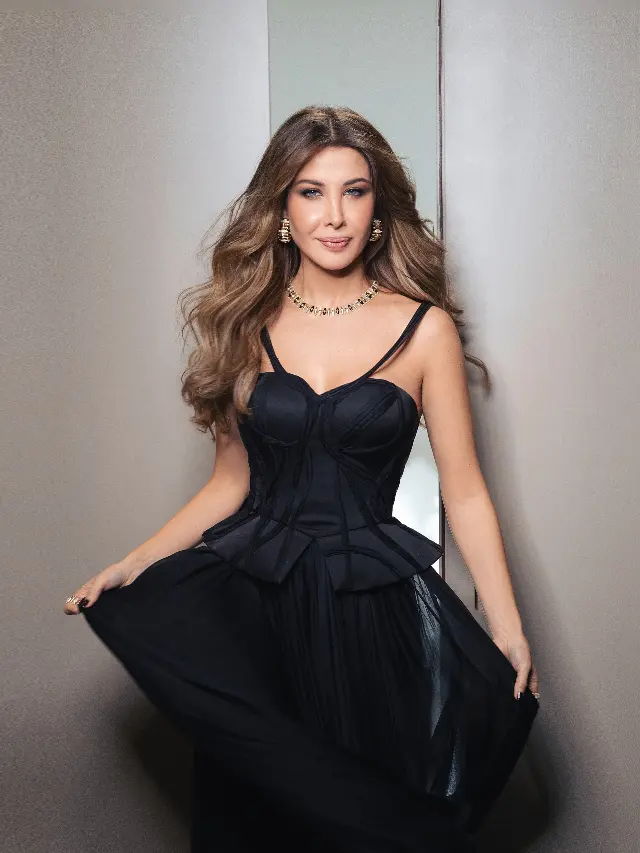 Stage Makeup And Hair Styling Look For Nancy Ajram
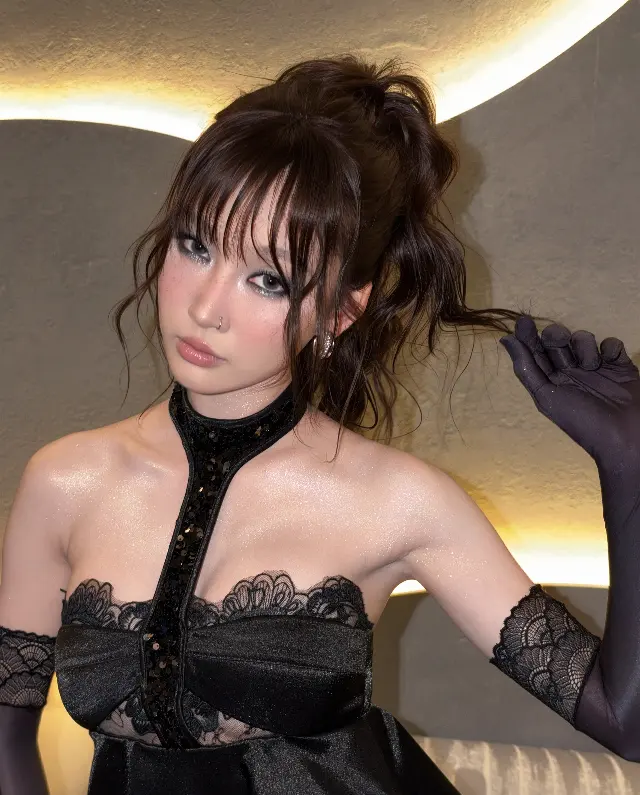 Stage event makeup look for artist Juky San
Get new #Stage Makeup ideas by email
Every Thursday: the week's best ideas, with the newest from #Stage Makeup.
Related tags
Stage Makeup: How to Create Looks for the Spotlight
Stage makeup is makeup designed to be seen clearly from a distance and under strong lighting. It is used in theatre, dance, music performance, and any live appearance where facial expression needs to remain visible to an audience. Because lights can wash out the face, stage makeup is usually more defined than everyday makeup. Its purpose is not to look natural up close, but to help the performer’s features read clearly on stage.
What stage makeup is for
On stage, lighting changes how color and shape appear. A face that looks balanced in a mirror may seem pale or flat under bright lamps. Stage makeup helps restore contrast by emphasizing the eyes, brows, cheekbones, and lips. It can also support a character, period, or style of performance. In some productions, the makeup is subtle; in others, it becomes part of the costume and storytelling.
Common styles and approaches
Read more
Stage makeup varies depending on the role and the venue. A small theatre may call for softer definition, while a large stage usually needs stronger lines and color. Some common approaches include:
- Natural stage makeup, which enhances features without drawing too much attention to the makeup itself
- Character makeup, which creates a specific age, mood, or personality
- Period-inspired makeup, which reflects a historical style
- Bold performance makeup, often used in dance, musical theatre, or concerts
- Special effects makeup, which can suggest injuries, fantasy elements, or dramatic transformations
The right style depends on the production, the lighting, and how far the audience sits from the performer.
Basic techniques
A good stage look usually starts with a smooth base that evens out skin tone. From there, features are strengthened rather than softened. Eyebrows are often defined to frame the face, and eyes may be shaped with liner, shadow, or lashes so they remain visible from a distance. Blush and contour can add dimension that light would otherwise remove. Lips are often colored clearly so the mouth remains expressive during speech or song.
Blending is important, but stage makeup should not disappear entirely into the skin. The aim is clarity, not a barely-there finish.
What beginners should know
If you are new to stage makeup, start by studying your face under strong light, not only in a bathroom mirror. Try your look with the same kind of lighting you will have during the performance. Check how it reads from farther away, since makeup often looks different at distance.
A few practical tips can help:
- Build color gradually, but make sure it is visible
- Use products that suit long wear and frequent movement
- Keep edges neat, especially around the eyes and mouth
- Match the intensity of the makeup to the size of the stage
- Remove makeup carefully after the performance and clean your skin well
Stage makeup is both practical and creative. With a few core techniques, you can make features stand out, support a character, and help the audience connect with the performance.
#Stage Makeup: frequently asked questions
How do I start learning stage makeup as a beginner?
Start by practicing under strong light and checking how your makeup looks from a distance, not just in a close mirror. Focus on building clear shape and contrast around the eyes, brows, cheeks, and lips so your features stay visible on stage.
What products do I need for a basic stage makeup kit?
A simple stage kit usually includes foundation or base products, powder, brow products, eye liner or shadow, blush or contour, and lip color. It also helps to have tools for blending, setting, and touch-ups so the look stays neat during a performance.
How do I choose the right type of stage makeup for a performance?
The best choice depends on the venue, the lighting, and the kind of role or event you are performing in. A smaller space may need a softer look, while a larger stage usually calls for stronger definition and more visible color.
How can I make stage makeup look good under bright lights?
Use makeup that creates contrast, because stage lights can wash out the face and soften features. Define the brows, eyes, and lips clearly, and test the full look under similar lighting before the performance so you can adjust anything that disappears.
What are common mistakes people make with stage makeup?
One common mistake is using a look that is too light or too natural for the stage, so the face loses shape under the lights. Another is blending so much that the features disappear, or applying color unevenly so the makeup reads poorly from the audience.
How should I remove and care for stage makeup after a show?
Remove it carefully after the performance with a gentle routine that fully clears the skin without harsh rubbing. Cleanse well and follow with your usual skincare so the face is ready for the next use and makeup does not build up on the skin.
Videos come from YouTube and posts from Instagram; titles and summaries are our own. All rights belong to their creators.