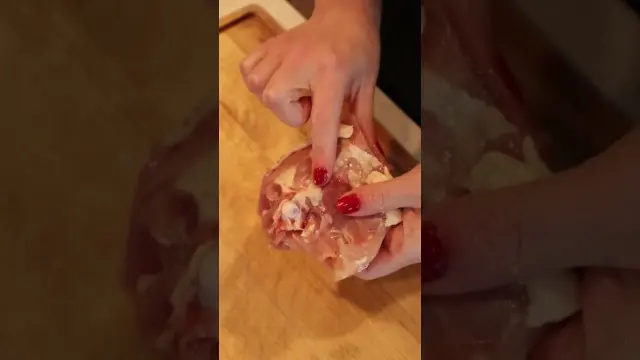
 Skinning and Boning Chicken Thighs the Easy Way
#Stock
1 ideas
Skinning and Boning Chicken Thighs the Easy Way
Get new #Stock ideas by email
Every Thursday: the week's best ideas, with the newest from #Stock.
Related tags
How to Make Stock: A Simple Guide to Better Cooking
Stock is the liquid you get when you simmer bones, vegetables and aromatics gently in water for a long time, then strain them away. What's left is a deeply savoury base that gives body and flavour to soups, stews, risottos, gravies and sauces. If you cook regularly, a pot of stock is one of the quietest ways to improve everything you make.
The idea is old and practical: it turns scraps that would otherwise be thrown out into something useful. Home cooks have done this for as long as there have been kitchens, and professional ones still build much of their cooking on it. The word itself points to the same thing — the foundation a dish stands on.
The main kinds
Stocks are usually named for what goes in them. Chicken stock, made from carcasses, wings and feet, is mild and versatile. Beef or veal stock, often roasted first for a darker colour and flavour, is richer and suits braises. Fish stock is made quickly from bones and trimmings and should never simmer long, or it turns bitter. Vegetable stock skips bones entirely and relies on onions, carrots, celery, leeks and herbs.
Read more
A closely related idea is broth, which is often made with meat still on the bone and seasoned to be eaten on its own. The line between the two is blurry and varies by household, so don't worry about being strict.
What beginners should know
The technique is mostly patience. Put your ingredients in a pot, cover them with cold water, bring it just to a simmer and then keep it there — small bubbles, not a rolling boil. A hard boil clouds the liquid and can make it taste muddled. Skim off the foam that rises in the first half hour, and leave the pot partly uncovered.
Practical tips
- Roast bones and vegetables first for a deeper, browner stock; skip roasting for a light, clean one.
- Add cold water at the start, not hot, and top up only with hot water if the level drops too far.
- Keep the aromatics simple: onion, carrot, celery, a bay leaf, peppercorns, a few parsley stems. Strong herbs and salty ingredients can dominate.
- Don't salt the stock while it cooks. Season the dish you make with it instead, so you keep control.
- Simmer chicken stock for a few hours and beef stock longer; fish stock needs only a short time.
- Cool it quickly, refrigerate, and lift off the fat once it has set. It keeps for a few days chilled and freezes well in small portions.
Once you've made stock a few times, it stops being a recipe and becomes a habit — a pot simmering on a slow afternoon, and a freezer slowly filling with the beginnings of future meals.
#Stock: frequently asked questions
How do I start making stock if I've never done it before?
Begin with chicken or vegetable stock, since both are forgiving and use ingredients you likely already have. Put everything in a pot, cover with cold water, bring it barely to a simmer and hold it there, skimming the foam that rises early on. Keep the pot partly uncovered so the liquid reduces and concentrates without boiling hard.
Do I need special equipment or ingredients to make stock?
A deep pot, a fine strainer and a few hours of your attention cover nearly all of it. Bones or vegetable trimmings, cold water and basic aromatics like onion, carrot, celery and a bay leaf are the whole ingredient list. You don't need a slow cooker or any dedicated gadget, though a large pot and a container for freezing make the habit easier.
Which kind of stock should I choose for a dish?
Match the stock to the flavour you want in the finished plate: mild chicken is the safest all-purpose choice, roasted beef or veal suits long braises and dark gravies, and fish stock works for seafood soups and sauces. Vegetable stock is the pick when you want something neutral or meat-free. Fish stock is the one to watch, because it should be simmered briefly rather than for hours.
How do I store stock and keep it good?
Cool it down promptly rather than leaving it on the counter, then refrigerate it and lift off the solid fat once it has set. Chilled, it holds for several days, and frozen in small portions it gives you a head start on future meals. Freezing in measured amounts is worth the extra minute, since you can then take out exactly what a recipe needs.
What mistakes make homemade stock taste worse?
The most common ones are boiling it hard instead of simmering, skipping the skimming, and salting it while it cooks. A rolling boil clouds the liquid and muddles the flavour, and salt added early gives you no room to adjust once the stock goes into a dish. Overloading the pot with strong herbs or salty ingredients is another easy way to lose the clean taste you were after.
What can I do with the bones and scraps left over after cooking?
Save them in a bag in the freezer and start a stock once you've collected enough, which turns waste into a base for later soups, risottos and sauces. Carcasses, wings, feet, vegetable peelings and herb stems all contribute; just avoid anything spoiled or strongly flavoured from another dish. This is the practical heart of stock-making, and it costs you nothing but freezer space.
Videos come from YouTube and posts from Instagram; titles and summaries are our own. All rights belong to their creators.