 Holiday Decor and Garden Center Tour at Home Depot
#Store Tour
4 ideas
Holiday Decor and Garden Center Tour at Home Depot
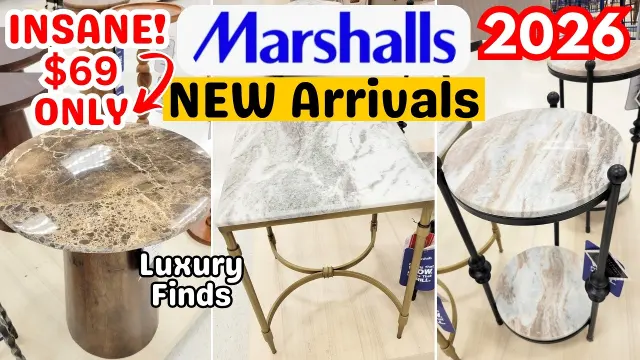 Marshalls Home Decor and Furniture Finds Tour
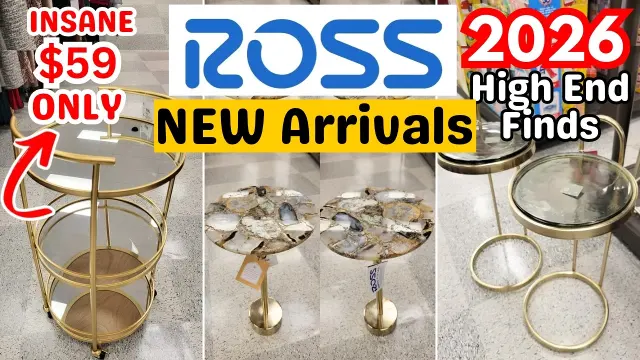 Ross Home Decor and Furniture Finds Under $100
 Christmas Decor Store Tour at Nell Hill's for Holiday Ideas
Get new #Store Tour ideas by email
Every Thursday: the week's best ideas, with the newest from #Store Tour.
Related tags
Store Tours: Finding Inspiration in the Shops You Love
A store tour is exactly what it sounds like: a guided wander through a shop, recorded in photographs and observations, and shared with people who could not be there in person. The shop might be a boutique, a home goods store, a florist, a bakery, a garden centre or a market stall. What makes it a tour rather than a shopping trip is the intention behind it. Instead of asking "what should I buy?", the person walking through is asking "what can I learn here?" — how the shelves are arranged, how colours are paired, how a small space is made to feel generous.
The format grew out of the way people share what they see. Once it became easy to carry a camera everywhere and publish the results, browsing a beautiful shop stopped being a private pleasure and became something to pass along. Shopkeepers noticed, and many now design their interiors with visitors in mind, knowing that a well-composed display may travel further than any advertisement.
Store tours come in a few recognisable shapes. There are the walking tours, a steady sequence of views that follows a path from the front door to the back corner. There are the detail tours, which linger on single elements: a stack of folded linens, a garland above a doorway, the way light falls across a table. There are seasonal tours, built around a holiday or a change of display, and behind-the-scenes tours that show stockrooms, workbenches and the people who arrange everything. Some are quiet and documentary; others are conversational, with the shopkeeper explaining choices as they go.
If you are new to taking a store tour, a few habits help.
Read more
- Ask first. Introduce yourself, explain what you would like to photograph, and respect any limits you are given. Some shops prefer no pictures of prices or of other customers.
- Slow down. The best details are rarely at eye level. Look up at ceilings and down at floors.
- Photograph in a consistent direction, so the sequence makes sense when someone scrolls through it.
- Notice repetition. Displays often repeat one colour, one texture or one shape three or four times; naming that pattern is often the most useful thing you can share.
- Write down what you saw while you are still standing there. A sentence about why a shelf works is worth more than ten unlabelled pictures.
For anyone reading a tour rather than making one, the pleasure is in the translation. A shop is a temporary arrangement made by someone with an eye for composition, and almost every idea in it can be scaled down. A tiered display becomes a shelf at home; a wall of one colour becomes a corner of one colour. Take the principle, not the object, and your own rooms will start to feel a little more considered.
#Store Tour: frequently asked questions
How do I start making a store tour if I’m new to it?
Start by asking permission and explaining that you want to photograph the space respectfully. Then move slowly through the shop, paying attention to layout, color, texture, and the small details that make the display work.
What do I need for a good store tour?
You mainly need a camera or phone, a way to take notes, and a clear idea of what you want to show. It also helps to keep your shots steady and in a consistent direction so the tour feels easy to follow.
Which kind of store tour should I choose?
Choose the style that matches the shop and the story you want to tell. A walking tour works well for showing the whole space, while a detail tour is better for highlighting displays, seasonal decor, or a few especially interesting corners.
What should I pay attention to while photographing a store tour?
Look for repeating shapes, layered displays, lighting, and the way the shop uses a small space well. It is often more useful to explain the design idea behind an arrangement than to only show every item on the shelf.
What are common mistakes to avoid in a store tour?
A common mistake is rushing and missing the best details, especially those higher up or lower down in the room. Another is sharing too many unorganized photos without captions, which can make the tour feel confusing instead of inspiring.
Videos come from YouTube and posts from Instagram; titles and summaries are our own. All rights belong to their creators.