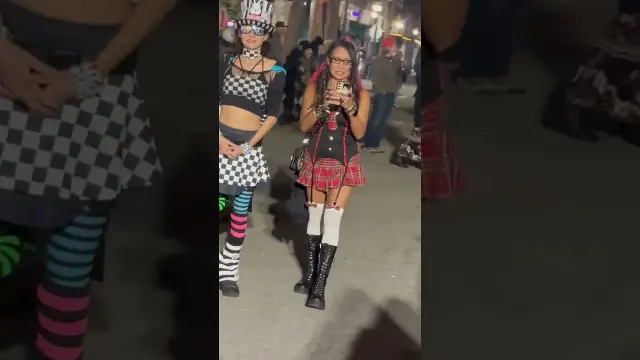
 Santa Cruz Halloween Street Party and Costumes
#Street Performance
1 ideas
Santa Cruz Halloween Street Party and Costumes
Get new #Street Performance ideas by email
Every Thursday: the week's best ideas, with the newest from #Street Performance.
Related tags
Street Performance: A Beginner's Guide to Busking and Street Theatre
Street performance is the oldest stage there is. Long before purpose-built theatres, people gathered in market squares and at crossroads to watch whoever could hold their attention: storytellers, jugglers, musicians, acrobats, preachers, puppeteers. The form has never really disappeared. It simply moved with the crowds, from medieval fairs to Victorian promenades to the pedestrianised high streets and plazas where you find it today. What defines it is not the discipline but the setting: the audience is standing, passing, uncommitted, and free to walk away at any second.
That single fact shapes everything about the craft. A street performer has no ticket barrier and no darkened room, so the work has to earn attention rather than assume it. A good act usually starts small, with something visible from a distance, and builds outward as people stop. Many performers speak of the "edge" and the "circle" — first catching the eye of those at the back, then drawing the crowd inward until a loose ring forms. Reading a crowd, and knowing when to start and when to let it disperse, matters as much as the skill itself.
Main kinds of street performance
- Music: solo singers and instrumentalists, small acoustic bands, drummers on improvised kits.
- Physical skills: juggling, acrobatics, contortion, unicycling, slacklining, fire performance where permitted.
- Character work: living statues, costumed figures, clowns, mimes, improvised interaction with passers-by.
- Street theatre: short comic or political pieces, puppetry, magic, escape acts, sideshow-style feats.
- Dance: breaking, tap, salsa, contemporary pieces, sometimes with a teaching or participatory element.
Read more
What beginners should know
Start with a short act rather than a long one. Ten minutes that holds a crowd is worth more than forty that loses it, and a tight running order lets you repeat the show many times in a day. Rehearse in the place itself: wind, uneven ground, ambient noise and the temptation of passers-by all behave differently from a rehearsal room. Bring everything you need to be self-sufficient — water, a cloth, a hat or case for contributions, something to sit on, and a way to carry it all.
Legality varies enormously. Many towns require a permit or licence for busking, some designate pitches and times, and rules about amplification, fire, and selling merchandise are often stricter than people expect. Check with the local authority before you set up; it saves a great deal of awkwardness.
Practical etiquette and safety
Leave room for people to pass, keep doors and crossings clear, and be considerate of nearby shops and residents — a performer who is welcomed back is worth more than one who wins a single afternoon. Keep your belongings where you can see them, keep your distance from traffic and from anyone who has had too much to drink, and be ready to end a show calmly if something feels wrong. Above all, remember that the crowd owes you nothing and gives you everything: respect it, and the street tends to look after you.
#Street Performance: frequently asked questions
How do I start street performing if I've never done it before?
Begin with a short, self-contained act you can perform comfortably on your own, and rehearse it in the open air rather than indoors, since wind, noise and uneven ground change everything. Then pick a busy but lawful spot, set up, and treat the first outings as practice runs rather than big debuts. Checking the local rules before you go saves a lot of awkwardness later.
What should I bring with me to a pitch?
Plan to be entirely self-sufficient: props and any backup equipment, water, a cloth, something to sit on, and a hat or case for contributions. Bring a bag or cart that lets you carry and watch everything at once. Keep your belongings visible and within reach, and carry a little more than you think the act requires.
Which kind of street performance should I choose?
Pick the discipline that plays to what you already do well, because the street punishes anything shaky. Music and character work are easier to sustain in short bursts and need less space, while physical skills and street theatre build bigger crowds but demand more rehearsal and room. Whatever you choose, favour something that reads clearly from a distance and can build as people stop.
Do I need a permit to perform in public?
Often yes, and the rules vary a great deal from place to place: some towns license busking, others set aside pitches and times, and limits on amplification, fire and selling merchandise are usually tighter than people assume. Ask the local authority before you set up rather than after. It is a short conversation that protects the act and your reputation.
How do I hold a crowd instead of losing it?
Start with something visible from the edge so people at the back catch the eye, then draw the loose ring inward as they stop. Read the crowd continuously and know when to build and when to let the show end and disperse. A tight act you can repeat through the day beats a long one that thins out.
What are the common beginner mistakes?
Overlong acts, too much gear to manage alone, and ignoring the neighbours are the usual ones, along with assuming a crowd owes you attention. Keep doors, crossings and shopfronts clear, stay well away from traffic and from anyone unsteady, and be ready to finish calmly if something feels off. Performers who are welcomed back do better than those who win a single afternoon.
Videos come from YouTube and posts from Instagram; titles and summaries are our own. All rights belong to their creators.