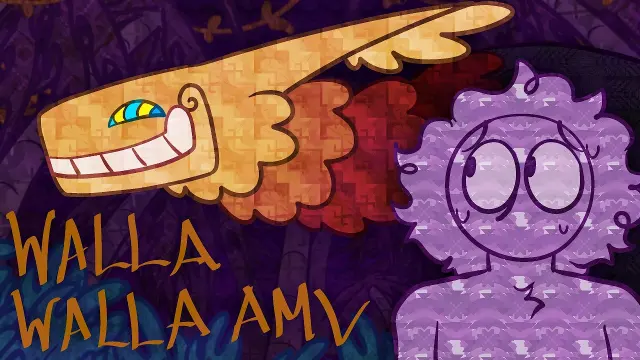
 Walla Walla: Animated Music Video Made for a Final Art Project
#Student Animation
1 ideas
Walla Walla: Animated Music Video Made for a Final Art Project
Get new #Student Animation ideas by email
Every Thursday: the week's best ideas, with the newest from #Student Animation.
Related tags
Student Animation: A Beginner's Guide to Making Your First Film
Student animation is the practice of making animated films as part of study — in a school art class, a college media course, an evening workshop, or a personal project made in a bedroom with borrowed equipment. What unites it is not the budget but the intention: it is animation made to learn, to experiment and to show what you can do, rather than to sell something.
Where it comes from
Animation has always been tied to learning. Early filmmakers worked out the principles of movement frame by frame, and those same principles — squash and stretch, timing, anticipation, staging — are still the backbone of what teachers pass on. Because animation rewards patience more than money, it has long been a favourite student medium: a pencil, a stack of paper and a lamp can produce something astonishing.
The main kinds
Read more
Hand-drawn or traditional animation is made frame by frame, whether on paper and shot with a camera or drawn digitally on a tablet. Stop motion builds movement from photographed objects that are moved slightly between shots — clay figures, paper cut-outs, toys, sand, even food. Computer animation ranges from 2D vector work and motion graphics to full 3D modelling and rigging. There is also a crossover world of mixed media: puppets combined with drawn effects, live action with animated overlays, and experimental work that mixes everything.
What beginners should learn first
Start with timing and spacing rather than software. A bouncing ball, a swinging pendulum and a simple walk cycle teach more about believable movement than any advanced tool. Learn to plan before you animate: a rough storyboard, even on scrap paper, saves hours later. Keep your first film short — thirty seconds finished is worth far more than five minutes abandoned. Work in passes: block out the big movements first, then refine, then clean up.
Practical tips
- Keep a sketchbook and draw from life; observation sharpens your sense of weight and gesture.
- Check your audio early. Sound carries a student film further than polished linework.
- Set small, dated goals and show your work to others while it is still rough.
- Back up your files, and export a version you can share before you consider it done.
- Learn from what you admire by copying a short sequence for practice, not for your portfolio.
Finishing matters
The hardest part of student animation is not starting, it is ending. Choose a length you can genuinely complete, allow time for rendering, sound and titles, and give yourself a deadline that other people know about. A finished, modest film teaches you more than an ambitious one that never leaves the hard drive — and it is the one you can show people.
#Student Animation: frequently asked questions
How do I start with student animation if I've never animated anything before?
Start with the principles of movement rather than a software package — a bouncing ball, a pendulum swing or a simple walk drawn on whatever you have to hand will teach you more than any advanced tool. Keep that first exercise very small and actually finish it, because completing something tiny is what builds the habit you need for longer work later.
What equipment do I really need to begin?
Much less than people assume: paper, a pencil, a lamp and something that can capture single frames are enough for a hand-drawn test or a stop-motion experiment. A tablet and animation software are conveniences, not requirements, and a modest setup often pushes you toward better planning.
Which kind of animation should a student choose?
Choose according to the materials and the process you genuinely enjoy — drawing suits people who like to sketch, stop motion suits people who like building and handling objects, and computer work suits those who prefer being at a screen. Matching the method to your own patience matters far more than picking whichever style looks most impressive.
What do beginners most often get wrong?
The usual mistake is chasing advanced tools and a long runtime before timing and spacing feel natural in the hand. Animating without a plan is the other big one, since a rough storyboard on scrap paper saves hours of wasted work, and forgetting to back up files can leave a finished film stranded on a failed drive.
How do I keep a project from being abandoned halfway through?
Set a length you can honestly complete, then give yourself a deadline that other people know about so the finish line isn't a private promise you can quietly move. Break the work into stages — blocking, refining, sound, titles — and show rough versions to someone while they can still be changed.
What makes a good subject for a student film?
Something small and observable works best: a character doing an ordinary task, a short piece of music, or a simple joke with a clear build. Music videos, title sequences and character studies are popular because they let movement and sound carry the piece instead of a complicated plot.
Videos come from YouTube and posts from Instagram; titles and summaries are our own. All rights belong to their creators.