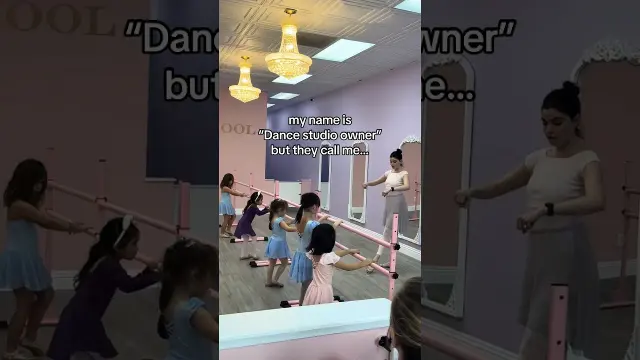
 Why Running a Dance Studio Means More Than Business
#Studio Owner
16 ideas
Why Running a Dance Studio Means More Than Business
 From Layoff to Pilates Studio Owner at 24
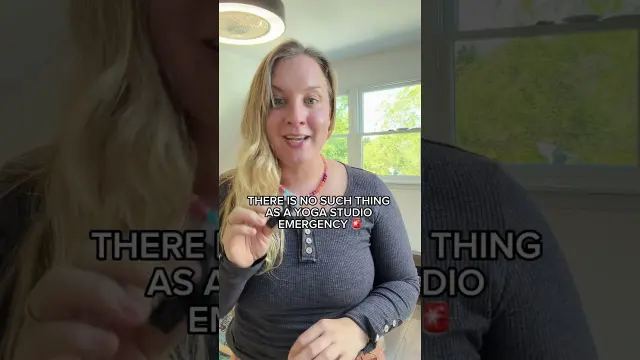 How to Run a Studio Without Doing Every Task Yourself
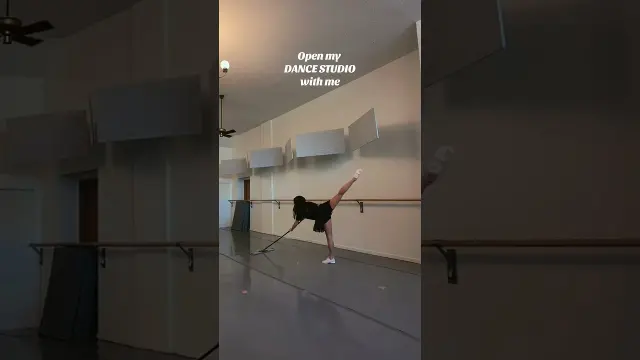 Deep Clean Day With a Dance Studio Owner
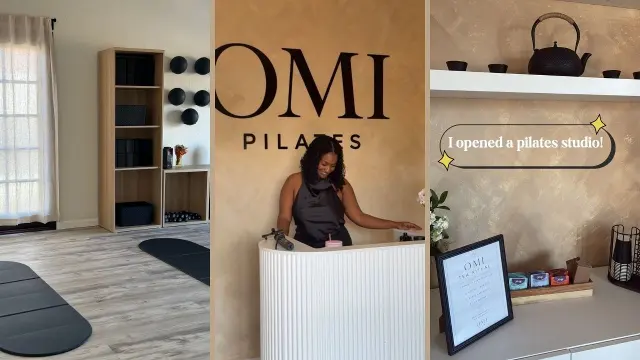 The Story Behind OMI Pilates: From Nursing to Studio Ownership
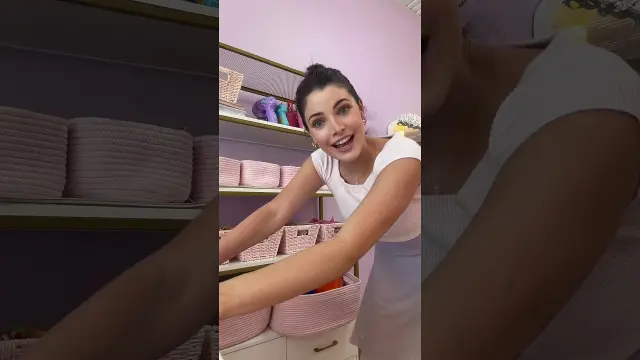 Day in the Life of a Dance Studio Owner Teaching Toddler Ballet
 Day in the Life Vlog of a Ballet Studio Owner
 Business Lessons From a New Private Pilates Studio Owner
 A Day Running RÓS Pilates & Wellness in Las Vegas
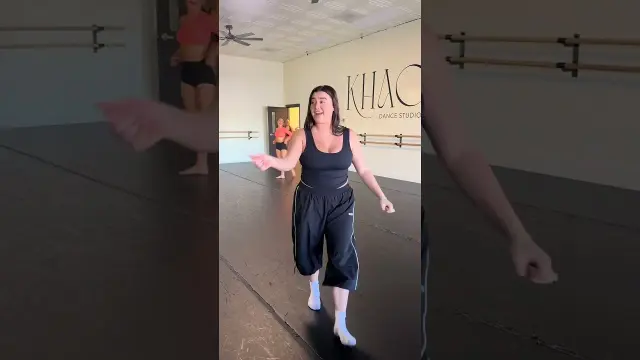 A Day in the Life of a Dance Teacher and Studio Owner
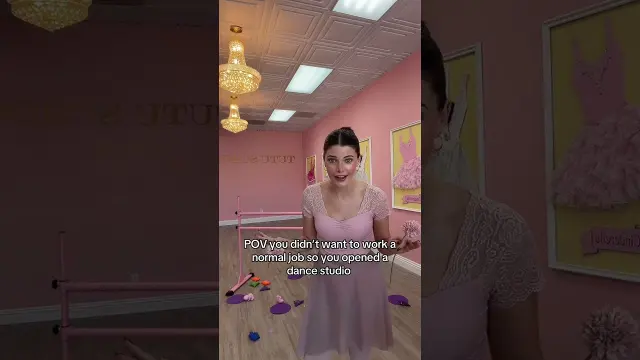 Owning a Dance Studio Is a 24/7 Job, and She Loves It
 Opening Sundai Olive Pilates: A Private Studio Story in Atlanta
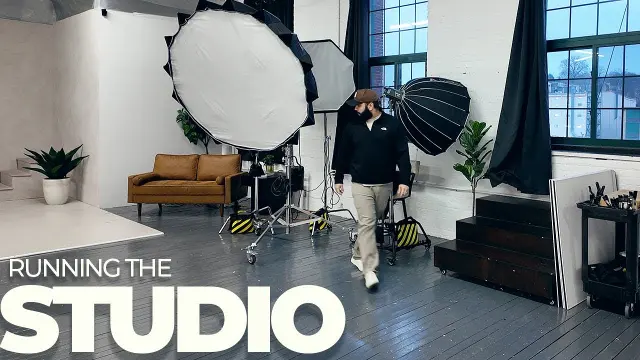 A Day in the Life of a Photography Studio Owner
 What a 22-Year-Old Dance Studio Owner Spends in a Week
 Overworked Yoga Studio Owner? What to Do Before You Hire
 Behind the Scenes of an Afternoon Owning a Pilates Studio
Get new #Studio Owner ideas by email
Every Thursday: the week's best ideas, with the newest from #Studio Owner.
Collections
Related tags
What It Means to Be a Studio Owner
A studio owner is someone who runs a small, physical place built around a single activity. The room itself is the product: people come to it, spend an hour there, and leave a little changed. That makes studio ownership different from most small businesses. You are not selling an object you can post; you are selling time, atmosphere and trust in a space that has to feel right the moment someone walks in.
The many shapes of a studio
The word covers a wide range. Movement studios teach Pilates, yoga, dance or strength work. Creative studios are built for pottery, printmaking, painting or photography, where the equipment and the light matter as much as the instruction. Some studios are quieter and therapeutic in nature, offering massage, movement rehabilitation or beauty treatments. What they share is a schedule, a clientele who return on a rhythm, and an owner who is usually both host and practitioner.
The two jobs nobody warns you about
Read more
Most owners begin because they love the craft. The work, though, splits in two. One half is teaching or making, which keeps the studio alive. The other half is the business: rent, insurance, bookings, staff, cleaning, repairs, and the endless small decisions about what to buy and what to skip. New owners often underestimate the second half. Giving it a fixed place in your week — a morning for admin, a clear booking system, a simple way of tracking money in and out — protects the part of the job you actually love.
Finding space, and paying for it
A lease is the longest commitment most studio owners make, and the least forgiving. Before signing, think about what the room needs to do: floor strength, light, ventilation, sound, access, storage, and whether neighbours will tolerate the noise you make. Be realistic about how much space you can fill and how quickly. A smaller room that is often full feels far better than a large one that echoes.
Building a community, not just a client list
Studios survive on return visits, and return visits grow out of belonging. Learn names. Notice when someone stops coming. Keep your prices clear and your schedule consistent, because reliability builds the trust that lets people plan their week around you. A studio that feels like a place people recognise each other in will outlast one that simply has good equipment.
Habits that last
Set boundaries around your own hours early, especially if you live close to the studio or answer messages at night. Keep a cushion of savings for the quiet months. Raise prices when costs rise, rather than absorbing them until you resent the work. And find one or two other owners to talk to honestly with — the ones who know what a broken boiler on a Monday morning really costs you, in money and in mood.
#Studio Owner: frequently asked questions
How do I get started with owning a studio?
Start with the activity you already know well enough to teach or practise, then work out what kind of room that activity actually needs. Spend time running sessions in borrowed or shared spaces before committing to a lease, so you learn how many people you can fill and how the schedule settles. The goal is to prove the idea works small before you take on the fixed costs.
What do I need before opening a studio space?
Beyond the craft itself, you need a realistic budget that covers more than rent: insurance, cleaning, repairs, equipment and the quiet stretches when bookings drop. You also need a booking system and a simple way to track money in and out, chosen before the first client arrives rather than improvised later. Many new owners are surprised that the administrative side takes as much time as the teaching or making.
Which kind of studio should I choose?
Pick the shape that matches both your skill and the way you want to spend your days, whether that is movement work, a making-based creative space, or a quieter treatment room. Equipment and light matter enormously in some studios and hardly at all in others, so visit similar spaces and notice what you would miss if it were absent. A smaller room that stays busy generally feels better than a large one that echoes.
How do I build a client base that keeps coming back?
Return visits grow out of belonging rather than marketing, so learn names, notice when someone stops appearing, and ask why. Keep your schedule consistent and your prices clear, because people plan their week around a place they trust to be open when it says it will be. A studio where clients recognise each other will outlast one that simply has good equipment.
What mistakes do new studio owners commonly make?
The most frequent one is underestimating the business half of the work and trying to do every task alone, from admin to cleaning to repairs. Others include signing a lease bigger than the clientele can fill, absorbing rising costs until the work feels resentful, and answering messages at all hours until there is no boundary left. Giving admin a fixed slot in the week and finding other owners to talk honestly with makes all of these easier to catch early.
How do I take care of a studio space over time?
Treat upkeep as part of the offering, since the room itself is what people are paying to spend time in — floors, ventilation, light and sound all shape how the hour feels. Set aside a little money regularly for repairs and the quiet months, so a broken boiler is an inconvenience rather than a crisis. A simple routine of cleaning and small fixes protects both the space and your own mood.
Videos come from YouTube and posts from Instagram; titles and summaries are our own. All rights belong to their creators.