 Simple Random Sampling Explained: Steps, Benefits and Limits
#Study Design
1 ideas
Simple Random Sampling Explained: Steps, Benefits and Limits
Get new #Study Design ideas by email
Every Thursday: the week's best ideas, with the newest from #Study Design.
Related tags
Study Design: Planning Research That Holds Up
Study design is the plan a researcher makes before collecting any information: what will be observed, in whom, how often, and how the observations will be compared. It sits between a question and a conclusion, and it decides how much that conclusion can bear. Two studies can ask the same thing and reach different answers purely because their designs differed, which is why the planning stage carries so much weight.
The purpose is not bureaucracy. A well-made design keeps a project honest. It reduces the chance that a result reflects chance, bias or the researcher's expectations rather than the thing being studied, and it makes the work repeatable, so someone else can follow the same route and see whether they arrive in the same place.
The main families
Research designs fall into a few broad families, and choosing between them is usually a matter of what is practical and what the question allows.
Read more
- Experimental designs deliberately change something and observe the effect. Randomised controlled trials are the best-known example, where participants are allocated to groups by chance so that the groups start out comparable.
- Observational designs watch without intervening. Cohort studies follow a group over time, case-control studies look backwards from an outcome to possible causes, and cross-sectional studies take a single snapshot.
- Qualitative designs explore meaning, experience and context through interviews, observation or document analysis rather than numbers.
- Mixed methods combine the two, using measurement to establish what is happening and qualitative work to explain why.
Within any of these, sampling matters as much as structure. Who is included, how they were chosen and who was left out shape what the findings can reasonably be said to describe.
What beginners should settle first
Before data collection begins, a few questions repay the time spent on them. What exactly is being measured, and how will it be defined in practice? What is the comparison group, if there is one? How large does the group need to be to detect a meaningful difference, and what will be done about people who drop out or whose information is incomplete?
It also helps to think through what could distort the picture. Recall that people remember selectively. Notice that being observed changes behaviour. Consider whether the person measuring knows which group is which, and whether that knowledge could tilt a judgement.
Practical habits
Write the plan down before starting, with enough specificity that you could hand it to someone else. Decide in advance what analysis will be run, so the analysis is not chosen after seeing the results. Seek ethical review where the project involves people, and treat consent and confidentiality as part of the design rather than an afterthought. Pilot the procedure on a small scale to find the practical snags.
Finally, be modest in the conclusions. Every design has limits, and naming them is not a weakness; it is what distinguishes a careful study from an overstated one.
#Study Design: frequently asked questions
How do I actually start designing a study?
Start with one precise question and work outward from it: what will be observed, in whom, how often, and what it will be compared against. Write the plan down before you collect anything, in enough detail that another person could follow it without asking you questions. Keeping the scope modest at the start makes the rest of the design decisions much easier.
What do I need in place before collecting data?
You need a written plan with the measurements defined in practical terms, a clear idea of the comparison group if there is one, and a procedure you have already tried on a small scale. If people are involved, ethical review, consent and confidentiality belong in the design from the beginning rather than being added later. Deciding in advance how the information will be analysed also saves you from choosing an approach after seeing results.
Should I choose an experimental or an observational design?
The deciding factor is usually whether you can legitimately change something and watch what follows. If assigning people to conditions is feasible and appropriate, an experimental design gives you the strongest basis for talking about cause and effect. If the thing you are interested in cannot or should not be manipulated, observation over time, looking back from an outcome, or a single snapshot are the honest alternatives.
How much does sampling matter compared with the overall design?
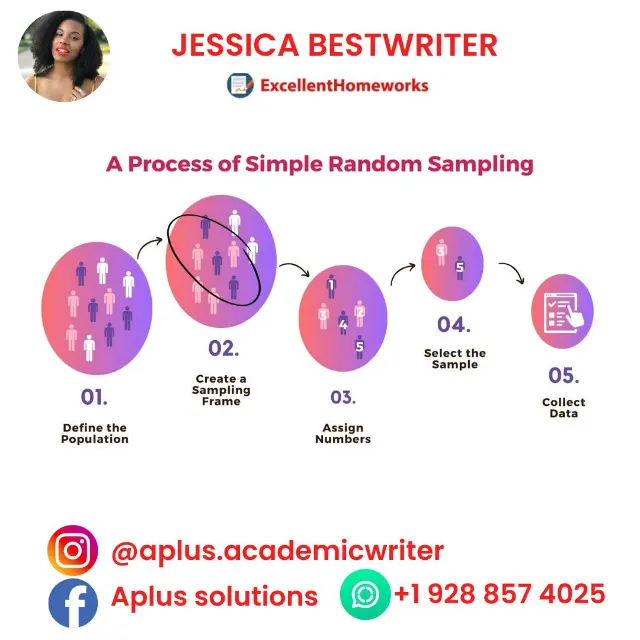
It matters just as much, because who is included, how they were picked and who was left out all shape what you can claim your findings describe. Simple random sampling gives everyone an equal chance and supports broader claims, while convenience samples are easier to assemble but narrow what you can say. Choose the approach that fits the claim you intend to make, not the one that is quickest.
How do I keep a study on track after it begins?
Stick to the plan you wrote, including the analysis you committed to, and record any departure from it openly. Where it is possible, keep the person measuring unaware of which group is which, and take account of people who drop out or whose information is incomplete. Being observed changes behaviour and memory is selective, so building in checks for those distortions early is easier than correcting for them later.
What mistakes do beginners most often make?
The common ones are vague definitions of what is being measured, no real comparison group, and an analysis chosen after the results are in. Another is overstating the conclusion, which undoes the care taken everywhere else. Naming the limits of your design plainly is what separates a careful study from an inflated one.
Videos come from YouTube and posts from Instagram; titles and summaries are our own. All rights belong to their creators.