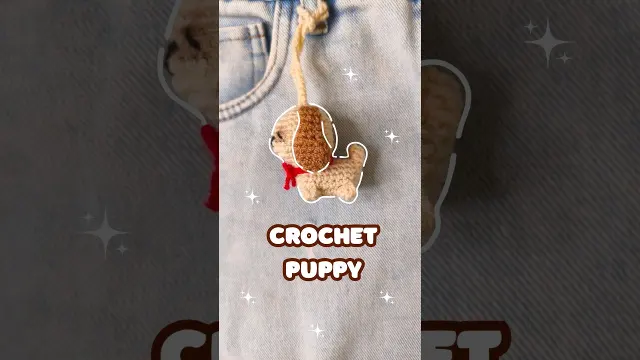
 Crochet Puppy Tutorial: Amigurumi Dog Step by Step
#Stuffed Toy
1 ideas
Crochet Puppy Tutorial: Amigurumi Dog Step by Step
Get new #Stuffed Toy ideas by email
Every Thursday: the week's best ideas, with the newest from #Stuffed Toy.
Related tags
Stuffed Toys: A Guide to Making, Choosing and Caring
A stuffed toy is a soft figure sewn, knitted or crocheted from fabric and filled with something squashy. It might be an animal, a person, a fantastical creature or simply a shape, and it is usually made to be held. That single purpose shapes everything about it: the materials, the seams, the proportions, even the way the face is embroidered rather than drawn.
Soft toys are old companions. Cloth dolls and stuffed animals appear in many cultures long before manufactured plush existed, often made at home from leftover fabric and filled with straw, sawdust, rags or beans. The arrival of affordable, machine-made pile fabrics turned them into something you could buy in a shop, and the teddy bear became the form most people picture first. Today the category is broad: plush animals, rag dolls, crocheted amigurumi, felted figures, cushion-like shapes and handmade keepsakes all sit under the same roof.
The main kinds
Plush toys are the classic. A woven backing carries a raised, fuzzy surface, and the pieces are cut, sewn and stuffed. Minky and fleece give a smoother, denser softness, while cotton and linen suit toys meant to look handmade and a little rustic.
Read more
Amigurumi is the crocheted branch of the family, usually worked in a tight spiral of single crochet so the fabric stays firm enough to hold a shape. Knitted toys follow similar logic with a softer, stretchier result. Needle felting takes the opposite route, matting loose wool into solid forms with a barbed needle, often as tiny ornaments or faces rather than whole huggable toys.
What beginners should know
Start with a simple shape and one colour, and get comfortable with a basic running stitch, a backstitch and a ladder stitch for closing. Draw your pattern on paper first, including seam allowances, and remember that a toy is basically a flat set of shapes that becomes three-dimensional once it is filled.
Choose filling with care. Polyester fibre fill is the usual choice, added in small loose handfuls rather than one large lump, so the toy stays even and soft. Push it into the limbs with the handle of a spoon or a blunt stick. Stuff firmly enough to hold the shape, but not so firmly that the seams strain.
For anything meant for a baby or a small child, safety comes before charm. Skip beads, buttons and small plastic eyes, and embroider features in strong thread instead, or use securely attached fabric appliqué. Avoid long ribbons and anything that could be pulled loose and swallowed, and check seams and joints regularly. If you are making a toy to sell or to give to a child, follow the safety rules that apply where you live.
Living with them
Most soft toys can be surface cleaned with a damp cloth and mild soap. Check the care label before washing anything filled, and dry thoroughly, since damp filling can clump and smell. Small tears are worth mending early, with a ladder stitch and a little fresh filling. A toy that is repaired rather than replaced keeps its softness, and its history, for years.
#Stuffed Toy: frequently asked questions
How do I start making a stuffed toy if I have never sewn before?
Begin with a single simple shape in one colour so you are practising the stitches rather than juggling pieces. Get comfortable with a basic running stitch, a backstitch, and a ladder stitch for closing the opening, then draw your pattern on paper with seam allowances before you cut any fabric. The trick is realising that a toy is just a flat set of shapes that only becomes three-dimensional once it is filled and closed.
What do I need to make a stuffed toy at home?
You need fabric suited to the look you want, a needle and thread, something to mark and cut your pattern, and a filling. A woven plush or a fleece gives a classic fuzzy toy, while cotton or linen suits a handmade, slightly rustic result, and polyester fibre fill is the usual stuffing. A blunt stick or the handle of a spoon is genuinely useful for pushing filling down into arms and legs.
Which kind of stuffed toy should I choose to make?
It depends on whether you want to sew, crochet, knit or felt, since each route gives a different texture and level of firmness. Sewn plush and minky toys are the classic soft option, amigurumi worked in tight crochet holds a crisp shape well, and needle felting suits small ornaments or faces rather than a whole huggable toy. Pick the technique you already enjoy and the size you actually want to hold.
How do I clean a stuffed toy without ruining it?
Most soft toys can be surface cleaned with a damp cloth and a little mild soap, which is the gentlest approach. If the toy is filled, check its care label before washing it in any way, and make sure it dries completely, because damp filling clumps and starts to smell. Small tears are best mended early with a ladder stitch and a pinch of fresh filling rather than left to grow.
What should I watch out for if the toy is for a baby or young child?
Safety comes before charm: skip beads, buttons and small plastic eyes in favour of features embroidered in strong thread or attached as fabric appliqué. Avoid long ribbons and anything that could be tugged loose, and check seams and joints regularly once the toy is in use. If you plan to sell the toy or give it to a child, follow the toy safety rules that apply where you live.
What do beginners most often get wrong when stuffing a toy?
The most common slip is adding filling in one big lump, which leaves the toy lumpy and uneven instead of soft. Add it in small loose handfuls and work it into the limbs with a blunt stick so the shape fills out gradually. Stuff firmly enough to hold the form, but stop before the seams start to strain, since overstuffing is what splits stitching later on.
Videos come from YouTube and posts from Instagram; titles and summaries are our own. All rights belong to their creators.